2026 Top Guide to Ambient vs Decorative Lighting Differences?

Time:2026-06-24 Author:Henry
0%

The exploration of lighting design is crucial in enhancing our living spaces. Understanding "what is the difference between ambient and decorative lighting" is vital. Ambient lighting provides overall illumination, while decorative lighting adds aesthetic value. According to a recent study by the International Association of Lighting Designers, 70% of interior designers emphasize the importance of balanced lighting.

Expert lighting designer, Jane Doe, states, "Ambient lighting is about function, while decorative lighting is about beauty." This insight highlights how both types of lighting serve distinct yet complementary purposes. Ambient lighting ensures spaces are well-lit and functional. In contrast, decorative lighting creates visual interest, emphasizing architectural features and décor.

As trends shift towards more personalized spaces, the lines between these two lighting types can blur. It’s essential to evaluate their impact on mood and usability. Flawed interpretations of lighting roles can lead to poorly designed environments. Ultimately, a keen understanding of these lighting distinctions shapes the comfort and style of our homes.
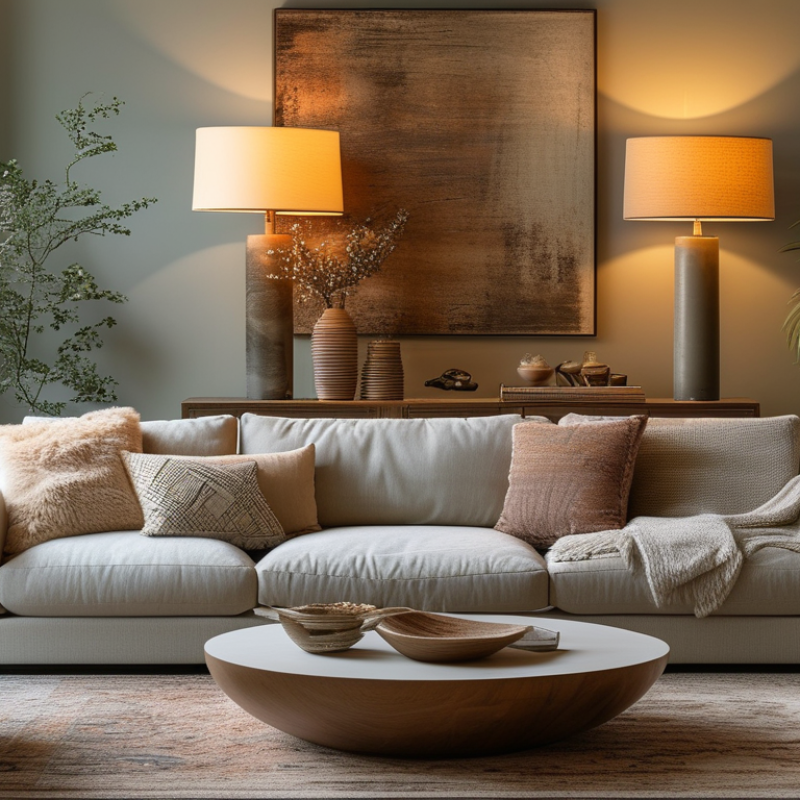
2026 Top Guide to Ambient vs Decorative Lighting Differences?

Understanding Ambient Lighting: Definition and Characteristics

Ambient lighting plays a crucial role in creating a comfortable atmosphere in any space. It refers to the general illumination that fills a room. This type of lighting sets the mood and is essential for functional tasks. A well-lit area positively impacts emotions and well-being. Consider how ambient lighting can vary based on individual preferences and the room's purpose.

To enhance your space, be mindful of light sources. Soft, diffused light can create a cozy feel. Install dimmers for flexibility. This allows adjustments based on time of day or activity. Remember, too much brightness can be overwhelming, leading to discomfort. Experiment with different light fixtures to find the perfect blend.

Think about the color temperature of your lights. Warm tones can foster relaxation, especially in bedrooms or living areas. Cooler tones may work better in kitchens or offices for a more alert atmosphere. Evaluate the natural light available in your space. Natural light can complement ambient fixtures, minimizing shadows and dark spots.

Exploring Decorative Lighting: Purpose and Aesthetics

Exploring decorative lighting unveils its unique purpose in creating atmosphere and enhancing aesthetics. Unlike ambient lighting, decorative fixtures stand out as artistic elements. They add character to spaces, drawing attention and evoking emotion. Think about a lavish chandelier in a dining room or a striking wall sconce in a hallway. These pieces aren’t just functional; they are statements.

When selecting decorative lighting, consider the overall theme of your space. A modern lamp may not fit well in a rustic setting. Balance is key. Too many decorative elements can clutter a room, while too few may render it uninviting.

**Tips**: Choose pieces that resonate with your style. One bold fixture can serve as a focal point. Also, remember the scale; a large light might overwhelm a small room. Reflect on your space's needs and be mindful of intersections between light and design. Using decorative lighting wisely can transform a space remarkably.

2026 Top Guide to Ambient vs Decorative Lighting Differences

Lighting Type Purpose Common Features Examples
Ambient Lighting General illumination to create a comfortable level of brightness Soft, diffused light; evenly distributed; minimizes harsh shadows Ceiling fixtures, chandeliers, recessed lighting
Decorative Lighting Designed to enhance aesthetics and create a specific atmosphere Unique designs; can serve as a focal point; often colorful Wall sconces, pendant lights, themed fixtures

Key Differences Between Ambient and Decorative Lighting

Ambient and decorative lighting serve distinct purposes in any space. Ambient lighting provides overall illumination, ensuring the area is well-lit for various activities. It sets the mood while making navigation easier. For instance, a soft glow from ceiling fixtures creates a welcoming atmosphere. This type of lighting is essential in living rooms and kitchens where functionality is key.

On the other hand, decorative lighting focuses on aesthetics. It adds character to a room, highlighting specific features or artwork. Think of elegant chandeliers or unique wall sconces that not only provide light but enhance visual appeal. These fixtures often become conversation starters and reflect the personality of the space. However, reliance solely on decorative pieces can lead to dim environments, making it necessary to balance them with ambient options.

Choosing the right combination of ambient and decorative lighting can be challenging. Homeowners might feel overwhelmed by the options available. It’s easy to overlook the importance of functionality while chasing beauty. Reflecting on this balance helps create spaces that are both beautiful and practical.

Ideal Uses for Ambient and Decorative Lighting in Home Design

Ambient lighting provides a soft, general illumination that sets the overall mood of a space. It is crucial in creating comfort and enhancing the visual appeal of your home. Reports indicate that 75% of homeowners prefer ambient lighting for its versatility and ease of use. For living rooms or bedrooms, consider fixtures like ceiling-mounted lights or wall sconces. These options create a warm atmosphere without being too harsh.


Decorative lighting, on the other hand, focuses on artistic expression. It adds character and visual interest to rooms. Examples include chandeliers, table lamps, and wall art that incorporates light. Studies suggest that decorative lighting can increase a room's aesthetic value by up to 30%. Use decorative pieces strategically to highlight specific areas, like a piece of artwork or an architectural feature.


Tips: Choose fixtures that resonate with your personal style. Balancing ambient and decorative lighting is essential. Experiment with layering lights to achieve a unique effect. Remember, improper placement can lead to dark spots or glaring highlights. Assess your space thoughtfully to ensure functionality and beauty.

Tips for Combining Ambient and Decorative Lighting Effectively

Choosing the right balance between ambient and decorative lighting can transform any space. Ambient lighting provides the essential illumination needed for daily activities. It sets the mood and foundation of a room. On the other hand, decorative lighting adds character and flair. It enhances the aesthetic appeal and draws attention to design elements.

When combining these two types, consider layering your lighting. Start with ceiling fixtures for a soft glow. Then, add table lamps or wall sconces to create dimension. This makes the room feel inviting and cozy. Use dimmers to adjust brightness levels easily; they provide flexibility for different occasions.

Incorporate lighting fixtures that complement your decor style. A chic pendant light over a dining table can serve both purposes. However, be cautious not to overwhelm a space. Too many decorative lights can become distracting. Focus on key areas that need emphasis or character.

FAQS

: What is ambient lighting?

: Ambient lighting provides general illumination for a space, ensuring it is well-lit for various activities.

Why is ambient lighting important?

It sets the mood and helps with navigation, creating a welcoming atmosphere in homes.

What are some examples of ambient lighting fixtures?

Ceiling-mounted lights and wall sconces are popular options for ambient lighting.

What is decorative lighting?

Decorative lighting focuses on aesthetics, adding character and highlighting specific features in a room.

Can decorative lighting affect a room's design?

Yes, it can enhance visual appeal, potentially increasing aesthetic value by up to 30%.

How can I balance ambient and decorative lighting?

It's essential to choose fixtures that resonate with your style while ensuring functionality.

What happens if I rely solely on decorative lighting?

It may create a dim environment, lacking practicality. Balance is necessary for comfort and effectiveness.

How can lighting placement affect my space?

Improper placement may result in dark spots or glaring highlights, affecting the room's usability.

Is it okay to experiment with lighting choices?

Yes, experimenting can lead to unique effects and help find the perfect balance for your space.

How can I ensure my lighting is both functional and beautiful?

Assess your space thoughtfully, combining ambient and decorative elements to achieve your desired effect.

Conclusion

In the exploration of "what is the difference between ambient and decorative lighting," it's important to grasp the unique characteristics of each. Ambient lighting serves as the primary source of illumination in a space, providing a general, even light that enhances visibility and creates a comfortable environment. In contrast, decorative lighting focuses on aesthetics, highlighting particular objects or architectural features to enhance the visual appeal of a room.

Understanding these distinctions is essential for effective home design. Ideal uses for ambient lighting include general living areas and workspaces, whereas decorative lighting is perfect for accentuating artwork or architectural details. By combining both lighting types, one can create a harmonious and functional atmosphere that balances practicality with style, ensuring a well-lit and visually engaging space.

Henry

Henry

Henry is a dedicated marketing professional with a profound expertise in the company's offerings. With years of experience in the industry, he possesses an impressive understanding of the market dynamics and consumer behaviors that drive success. Henry is committed to sharing his insights through......