Decorative indoor lighting now shapes comfort, mood, energy use, and visual safety. In 2026, learning how to maintain decorative indoor lighting means protecting both beauty and performance. A dusty chandelier can scatter light unevenly. A loose bulb can create flicker, heat, or premature failure.
The U.S. Department of Energy reports that LED lighting can use at least 75% less energy than incandescent lighting. It can also last up to 25 times longer. ENERGY STAR guidance similarly emphasizes efficient lamps, compatible dimmers, and proper heat management. These figures matter in real homes, where pendants operate above kitchen steam and fabric shades collect dust near air vents.
Dr. Mariana Figueiro, a respected lighting researcher and former director of the Lighting Research Center, states, “Light is the most powerful synchronizer of the circadian system.” Her observation makes routine care more important. A discolored diffuser or failing dimmer can alter brightness and evening comfort. Small maintenance decisions affect the entire room.
This guide explores practical 2026 methods for cleaning fixtures, checking connections, reducing heat, and replacing aging components safely. It also questions common habits. Wiping every surface with one harsh cleaner may damage finishes. Leaving decorative bulbs permanently dimmed may shorten their useful life. No checklist catches every loose socket. Real homes are imperfect.
Reliable maintenance combines manufacturer instructions, electrical safety guidance, and hands-on observation. If wiring looks brittle or overheated, consult a qualified electrician. Beautiful lighting should remain dependable, efficient, and comfortable throughout its service life.
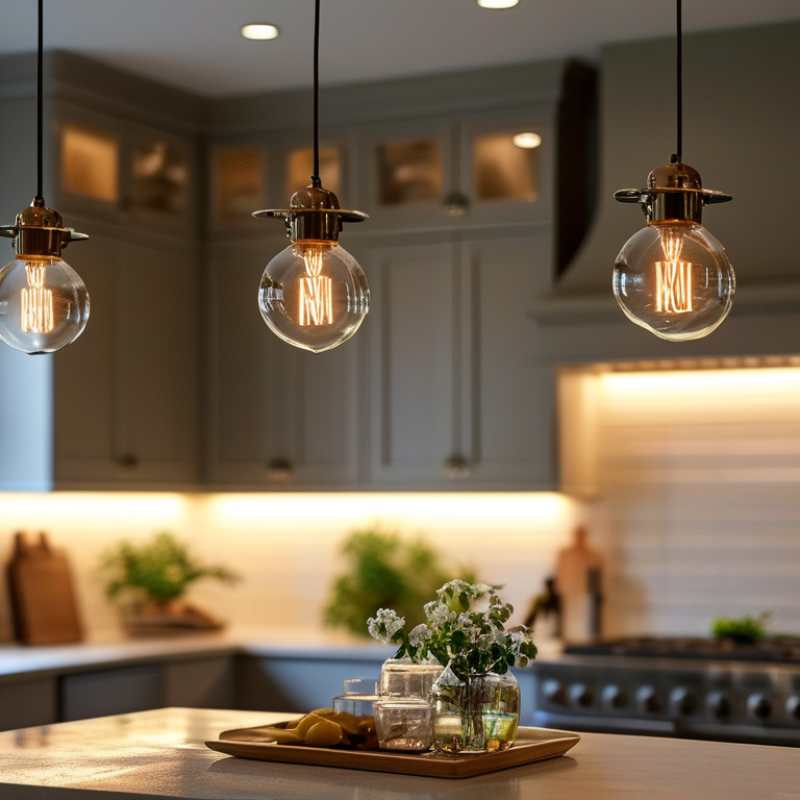
Decorative indoor lighting is more than a glowing object. It is a coordinated system of lamps, drivers, dimmers, wiring, reflectors, and mounting hardware. Glass, metal, fabric, wood, and polymers each respond differently to heat, dust, and humidity. The U.S. Department of Energy reports that LED lighting uses at least 75% less energy and lasts up to 25 times longer than incandescent lighting. However, poor ventilation can shorten driver life and create uneven brightness.
Material choice directly affects maintenance. Clear glass exposes dust quickly, especially above dining tables. Fabric shades soften glare but can trap fibers and cooking residue. Powder-coated metal usually tolerates frequent gentle cleaning, while untreated wood needs stable humidity. Use a dry microfiber cloth first, then a lightly damp cloth when necessary. Never spray liquid into a socket or dimmer. None is maintenance-free.
The International Energy Agency has estimated that lighting accounts for about 15% of global electricity consumption, making efficient control systems important. In 2026, check whether the LED module, driver, and dimmer are electrically compatible before replacing parts. Flickering may indicate a weak driver, loose connection, or incompatible control, not simply a failing lamp. A useful field lesson is easy to miss: spotless glass cannot compensate for harsh glare or poor beam placement. Some decorative fixtures also lose their character after over-cleaning, so preservation deserves more thought.
| Lighting System or Material | Typical Applications | Recommended Maintenance Frequency | Care and Cleaning Method | Key Inspection Points | Important Safety Consideration |
|---|---|---|---|---|---|
| LED decorative fixtures | Pendant lights, wall sconces, recessed accents, and table lamps | Dust every 1–3 months; inspect wiring and mounting annually | Turn off power, allow the fixture to cool, then wipe with a soft dry or slightly damp microfiber cloth | Flickering, unusual heat, loose parts, discoloration, and damaged insulation | Do not block ventilation openings or use a lamp beyond its stated electrical rating |
| Glass shades and diffusers | Chandeliers, pendant fixtures, flush mounts, and decorative lanterns | Clean every 2–4 months or when visible dust reduces light output | Remove only when cool and stable; wash removable glass with mild soap and water, then dry completely | Cracks, chips, loose retaining screws, cloudiness, and heat-related marks | Handle glass with both hands and reinstall all clips or screws securely |
| Fabric and paper shades | Table lamps, floor lamps, bedroom pendants, and soft ambient lighting | Dust monthly; check for stains, fading, and deformation every 6 months | Use a clean, soft brush or low-suction vacuum attachment; avoid soaking and harsh chemicals | Burn marks, brittleness, sagging, loose seams, and blocked airflow | Keep combustible shades at the clearance specified by the fixture and lamp instructions |
| Metal finishes | Brass, bronze, aluminum, steel, and painted decorative housings | Dust monthly; inspect finish and fasteners every 6–12 months | Wipe with a dry microfiber cloth; use a damp cloth only when permitted by the finish manufacturer | Corrosion, peeling paint, loose joints, sharp edges, and tarnishing | Avoid abrasive pads, chlorine-based cleaners, and excess moisture near electrical components |
| Wood components | Decorative pendants, lamp bases, ceiling fixtures, and accent lamps | Dust every 1–2 months; inspect for movement or cracking annually | Use a dry cloth or a minimally damp cloth; dry immediately and avoid furniture polish unless approved | Splits, swelling, insect damage, loose joints, and changes caused by humidity | Keep wood away from direct heat, persistent condensation, and water leaks |
| Acrylic and polycarbonate diffusers | LED panels, linear fixtures, decorative strips, and modern ceiling lights | Clean every 2–3 months; inspect mounting and surface condition annually | Use lukewarm water with mild soap and a soft cloth; never use solvents or abrasive cleaners | Yellowing, cracks, scratches, distortion, and loose diffuser panels | Use only compatible light sources to limit heat that can deform plastic materials |
| Crystal and faceted glass | Chandeliers, feature pendants, and formal dining-room fixtures | Dust monthly; perform a detailed clean every 6–12 months | Support each element while wiping with a lint-free cloth; use a suitable glass cleaner on the cloth, not directly on wiring | Missing prisms, loose pins, chips, bent frames, and unstable ceiling support | Use a stable platform and disconnect power before cleaning or adjusting components |
| Dimmers and control systems | Adjustable ambient lighting, scene control, and residential accent lighting | Test operation every 3–6 months; inspect when flicker or buzzing occurs | Keep control surfaces dry and clean with a soft cloth; do not spray liquid into switches | Flicker, buzzing, delayed response, overheating, and compatibility issues with LED loads | Use a dimmer rated for the connected load and compatible with the installed lamp type |
| Electrical cords and connections | Portable lamps, plug-in pendants, and movable decorative fixtures | Visual inspection every 3–6 months and after relocation | Keep dry and free from dust; do not bend, pinch, or wrap cords tightly around hot fixtures | Fraying, exposed conductors, loose plugs, warm connections, and damaged strain relief | Stop using damaged cords and have electrical repairs completed by a qualified professional |
Maintenance intervals are general guidance. Always follow the fixture’s installation instructions, electrical rating, material-care requirements, and applicable local safety regulations.
Switch off the fixture and disconnect power when possible. Let every bulb cool completely. Do not rush. Haste can cause burns or broken parts.
Use a dry microfiber cloth for loose dust. For glass, use mild soapy water on the cloth. Never spray liquid directly onto the fixture.
Use a stable step ladder, not a chair. Hold delicate pieces with one hand while cleaning with the other. Keep both feet steady.
Stop if you notice cracked shades, loose screws, frayed cords, dark socket marks, or flickering bulbs. Do not force stuck components. A qualified electrician should inspect electrical problems.
Test a hidden area first. Some fabrics discolor quickly. Clean small sections with light pressure. Let the shade dry fully. Gentle is not always harmless.
Dust fixtures monthly with a dry microfiber cloth. Plan a deeper clean every few months. Record loose parts or recurring flicker. Small warnings are easy to forget.
Record each fixture’s location, wattage, color temperature, and control method. Wipe motion sensors gently. Review schedules after seasonal time changes. Remove unused access permissions and update firmware through approved channels.
Check dimming behavior every quarter. Flickering may involve wiring, controls, or a failing driver. Keep manual switches available for maintenance. Replace failed parts with compatible, certified components. I still miss warning signs when inspections feel rushed.
Compare monthly consumption with occupancy patterns. Appearance alone can mislead you. Heat, moisture, poor ventilation, and excessive dimming may shorten performance. A perfect schedule is unrealistic. A visible routine works better.
Maintaining decorative indoor lighting begins with understanding each fixture’s materials, finishes, mounting method, and light source. A regular care routine should include turning off power, allowing fixtures to cool, removing dust with soft tools, and cleaning surfaces with suitable dry or lightly damp materials. Avoid excessive moisture and harsh cleaners that may damage coatings, shades, or delicate decorative details. Learning how to maintain decorative indoor lighting also means inspecting bulbs, sockets, switches, wiring, and electrical connections for looseness, discoloration, flickering, or unusual heat, while arranging professional assistance when a repair requires electrical expertise.
Protect fixtures from prolonged heat, humidity, airborne dust, accidental impact, and blocked ventilation. Replace aging or incompatible bulbs with suitable energy-efficient options, and review smart lighting settings, sensors, and controls as part of routine upkeep. Updating schedules, checking connection reliability, and using appropriate brightness levels can improve performance while reducing unnecessary wear. With consistent cleaning, careful inspections, and timely maintenance, decorative lighting can remain attractive, safe, efficient, and dependable for years.

 CAPIVANA Lighting