Lighting does more than make a room visible. It shapes how people move, work, and feel within it. Yet lighting terms can be confusing, especially when one fixture serves several purposes. So, what is the difference between ambient and decorative lighting? In simple terms, ambient lighting provides a room’s general illumination, while decorative lighting adds visual character and draws attention to a design feature.
Picture a kitchen at dusk. A ceiling fixture may spread soft, even light across the counters and floor. That is typically ambient lighting. A small pendant above an island might also provide useful light, but its shape, finish, or placement can make it decorative too. The categories overlap. Real rooms rarely stay tidy.
This guide explains how the two lighting types differ, where they work best, and how to combine them thoughtfully in 2026. You’ll see practical examples for living rooms, bedrooms, kitchens, and hallways, along with details worth checking before choosing a fixture. These include brightness, light distribution, room size, and the task taking place beneath the light. A decorative lamp can look striking but leave a reading chair dim; a bright ceiling light can solve that problem, yet feel harsh on a quiet evening. That tension matters. There is no single formula for every home, and a stylish choice may not always be the most comfortable one. Understanding each layer makes it easier to create lighting that feels useful, balanced, and personal.
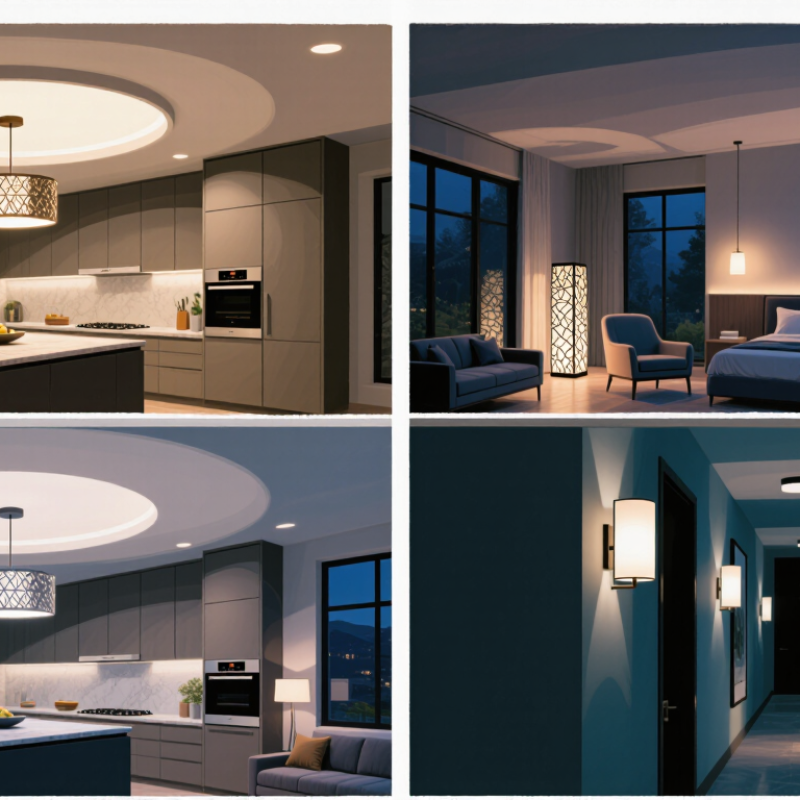
Ambient lighting is the room’s base layer. It makes movement easier and helps furniture, walls, and people feel visually connected. In practice, that might mean a ceiling fixture softened by a shade, or light bouncing off a pale wall. The goal is even coverage, not a uniformly bright room. Shadows still matter.
The Illuminating Engineering Society’s lighting guidance treats general illumination as one layer within a considered lighting plan. That distinction is useful: ambient light sets the overall visual tone, while a reading lamp handles a book. A dimmer can shift the same room from clear morning light to a quieter evening glow. Still, one ceiling fixture rarely reaches every corner. That common shortcut can leave a sofa area gloomy or a work surface strained.
Light also changes how finishes appear. Warm illumination can make wood feel richer; cooler light may sharpen the look of white walls. These effects depend on the source and the room, so test samples at home. The U.S. Department of Energy reports that LED bulbs use at least 75% less energy than incandescent bulbs and can last up to 25 times longer. Efficient, dimmable LEDs can support flexible ambient lighting, though low-cost dimmers and bulbs do not always work smoothly together.
Decorative lighting gives a room a visual focal point, rather than simply making the whole space bright. A pendant above a dining table draws the eye to the meal; a sculptural wall sconce can make a plain hallway feel more considered. Its contribution is partly practical, but mostly about shape, texture, color, and atmosphere. This is the key difference from ambient lighting, which provides broad, general illumination. Decorative fixtures can still emit useful light, though they may leave corners dim. Small details matter. A warm bulb, a visible shade, or a shadow across a plaster wall can change the room’s character.
Scale and placement affect both appearance and comfort. A low pendant may feel intimate over a table, but obstruct views if hung too low. Before choosing a fixture, consider ceiling height, nearby surfaces, and whether its light reaches the intended area. The U.S. Department of Energy reports that lighting accounts for about 15% of the average U.S. home’s electricity use; it also says LEDs use at least 75% less energy and last up to 25 times longer than incandescent lighting. These figures describe lighting overall, not decorative fixtures alone, but they make bulb choice worth considering. I still find decorative lighting easy to overdo: a striking fixture can dominate a small room when a quieter one would serve it better.
Ambient lighting is the room’s general layer of light. It helps people move around and see everyday tasks clearly. Ceiling fixtures, recessed lights, and soft wall lights often provide it. Their placement should spread light evenly, avoiding harsh bright spots and dark corners. In a living room, for example, a ceiling fixture can brighten the main area while daylight fades. Keep the light comfortable; brighter is not always better.
Decorative lighting has a different job: it draws attention and adds character. A pendant above a dining table, a sculptural lamp on a console, or a small fixture beside artwork can become a visual feature. Placement matters as much as appearance. Hang a pendant where it feels connected to the table, not awkwardly high or low. The distinction is not always tidy: one attractive fixture may also provide useful ambient light. That overlap can make planning less straightforward.
Tips: Plan ambient light across the room, then add decorative fixtures where you want the eye to pause. Check the view from seated and standing positions. Use dimming where possible, and test the effect after dark. A beautiful fixture can still cast an irritating shadow, so adjust its position or add another light source.
Ambient lighting provides the room’s general illumination, while decorative lighting adds visual character. A ceiling fixture may soften shadows across a living room; a sculptural pendant can draw attention to the dining table. They can overlap, but they do different jobs. Think of ambient light as the room’s base layer, not the whole design.
Start with even, comfortable light, then place decorative fixtures where the eye naturally rests: above a table, beside a reading chair, or near an entryway. Keep the fixture’s scale in proportion to nearby furniture. A large pendant over a small table can feel heavy, even when its light looks beautiful. That matters. Check how the fixture appears from seated and standing positions, and avoid placing bright bulbs directly in your line of sight.
Use dimmers where practical, so the ambient layer can shift from useful brightness to a softer evening setting. Decorative lights usually work best when they add contrast rather than compete with the room’s general glow. Warm light can make wood and fabric feel inviting, but too many warm sources may flatten colors. I have found that this balance takes a little trial and error; one corner may still feel oddly dark. Adjust the fixture’s position or add a discreet light source, then observe the room at night before settling on the arrangement.
| Dimension | Ambient Lighting | Decorative Lighting | How to Layer Them Effectively |
|---|---|---|---|
| Main purpose | Provides general illumination so people can see and move comfortably throughout a space. | Adds visual interest, expresses a design style, or draws attention to a fixture or feature. | Establish a comfortable overall light level first, then add decorative fixtures as visual accents. |
| Typical fixtures | Ceiling-mounted lights, recessed downlights, cove lighting, and indirect light reflected from walls or ceilings. | Pendant lights, chandeliers, decorative wall sconces, and sculptural table or floor lamps. | Combine different fixture types rather than relying on one prominent light source for the whole room. |
| Light distribution | Usually spreads light across a broad area; indirect versions bounce light off a surface to soften shadows. | May create a focused pool of light, a visible glow, or a strong visual focal point. Its distribution depends on the fixture. | Use broad, even illumination for the background and place decorative light where a focal point or local pool of light is useful. |
| Role in the room | Supports general visibility and helps reduce large differences between bright and dark areas. | Contributes to the room’s appearance and can also provide useful light, such as illumination above a dining table. | Do not assume decorative lighting is only ornamental: consider its actual brightness, beam direction, and intended use. |
| Best placement | Distributed to serve the room as a whole, with attention to circulation areas and major activity zones. | Positioned where the fixture itself or its effect can be appreciated, such as over a table or beside seating. | Plan fixture locations around furniture and activities; avoid placing a decorative fixture where it causes glare or blocks sightlines. |
| Brightness and controls | Often benefits from dimming so general light can be adjusted for different times and activities. | Can be dimmed independently to change the mood or keep a focal fixture from overpowering the room. | Use separate switching or dimming where practical so ambient and decorative layers can be adjusted independently. |
| Color and visual comfort | Consistent color appearance helps the room feel cohesive; the appropriate color temperature depends on the space and preference. | Its light color and shade can influence how the fixture, finishes, and surrounding area appear. | Choose compatible light colors across nearby sources, and check the result in the room before finalizing lamps or fittings. |
| Common mistake | Using only a bright ceiling light, which can leave corners flat or create harsh shadows. | Choosing a striking fixture without checking whether it provides enough light for its intended purpose. | Layer general light with decorative sources, then assess the room at night for dark spots, glare, and visual balance. |
| Simple living-room example | A dimmable ceiling source or indirect cove light supplies the room’s general illumination. | A pendant or decorative floor lamp adds a visible design feature near a seating or focal area. | Turn on ambient light for general use, then use the decorative fixture to add character or a more intimate evening effect. |
| Key takeaway | Think of ambient lighting as the room’s broad background layer. | Think of decorative lighting as a visible design layer that may also have a practical lighting function. | A balanced scheme uses each layer for its intended purpose and lets the layers work together rather than compete. |
In 2026, plan ambient lighting around the room’s real tasks, not just its floor area. A soft ceiling wash may suit a lounge, while a kitchen needs brighter, even light over counters. Watch for glare on glossy surfaces and screens. A dimmer helps, but only when the selected lamps and controls work together. Small detail, big difference. Warm-white light often feels restful in living spaces; neutral tones can make food preparation and reading easier. Test the light after dark, since daylight can disguise shadows near cabinets or stairways.
Decorative lighting should add character without carrying every practical job. A pendant above a dining table can create a clear focal point, but check its height from seated eye level. Wall lights can reveal texture on a plaster surface, though uneven spacing may look accidental. Scale matters: a tiny fitting can disappear in a tall room, while an oversized shade can crowd a narrow one. Choose finishes that respond well to nearby materials, such as matte metal beside pale wood. Energy use and replaceable components also deserve attention. It is easy to over-coordinate everything; a little contrast often feels more considered. And sometimes the mock-up looks better than the installed result. Adjusting after installation is part of good design.
It creates a visual focal point through shape, texture, color, and atmosphere. A sculptural wall light can make a plain hallway feel more considered.
Ambient lighting provides broad, general illumination. Decorative lighting draws attention to particular areas, such as a dining table, but may leave corners dim.
Place them where the eye naturally rests, such as above a table, beside a reading chair, or near an entryway. Check the view from different positions.
Compare the fixture with nearby furniture and the room’s ceiling height. A large pendant above a small table can feel heavy. That matters.
Hang it low enough to create an intimate feeling, but not so low that it blocks views across the table.
Start with comfortable general light, then add decorative fixtures for contrast. Dimmers can help shift the room from practical brightness to a softer evening setting.
LEDs use at least 75% less energy and can last up to 25 times longer than incandescent lighting. These figures apply to lighting overall.
Observe the room at night and notice any dark corners or bright bulbs in your line of sight. I still find this takes trial and error.
Ambient lighting provides a room’s general illumination, creating a comfortable level of brightness that supports everyday activities and helps spaces feel balanced. It often comes from ceiling fixtures, recessed lights, or other broadly distributed sources. Decorative lighting, by contrast, adds visual character and draws attention to particular features. Pendant lights, sculptural fixtures, and accent pieces can serve as focal points even when they are not the room’s main source of light. Understanding what is the difference between ambient and decorative lighting begins with recognizing their distinct roles: one establishes the overall atmosphere and visibility, while the other contributes style and emphasis.
The two types work best when thoughtfully layered. Start with even ambient light, then add decorative fixtures where they can complement the room’s layout, highlight architectural details, or create visual interest. Consider room size, ceiling height, color temperature, brightness, energy use, and the way natural light changes throughout the day. In 2026, adaptable controls and carefully planned placement can help both lighting types feel cohesive, practical, and suited to the space.

CAPIVANA Lighting