Lighting design plays a crucial role in creating ambiance and functionality in any space. However, many designers overlook key principles. Understanding what are common mistakes in lighting design can make a significant difference. Misjudgments in color temperature, fixture placement, and layer integration often lead to dull or overly harsh environments.
Many designers fail to consider the purpose of each area, resulting in ineffective lighting solutions. Poorly chosen fixtures can conflict with a room's aesthetic. Additionally, ignoring the importance of natural light can lead to imbalance. Elements such as glare from windows or shadows cast in workspaces should be analyzed thoroughly.
Reflection on past projects reveals that some issues could have been avoided with better planning. By learning from these missteps, designers can elevate their projects. Emphasizing reliable techniques and avoiding common pitfalls ensures a well-lit, inviting atmosphere. In the end, attention to detail can minimize errors and enhance the overall design experience.
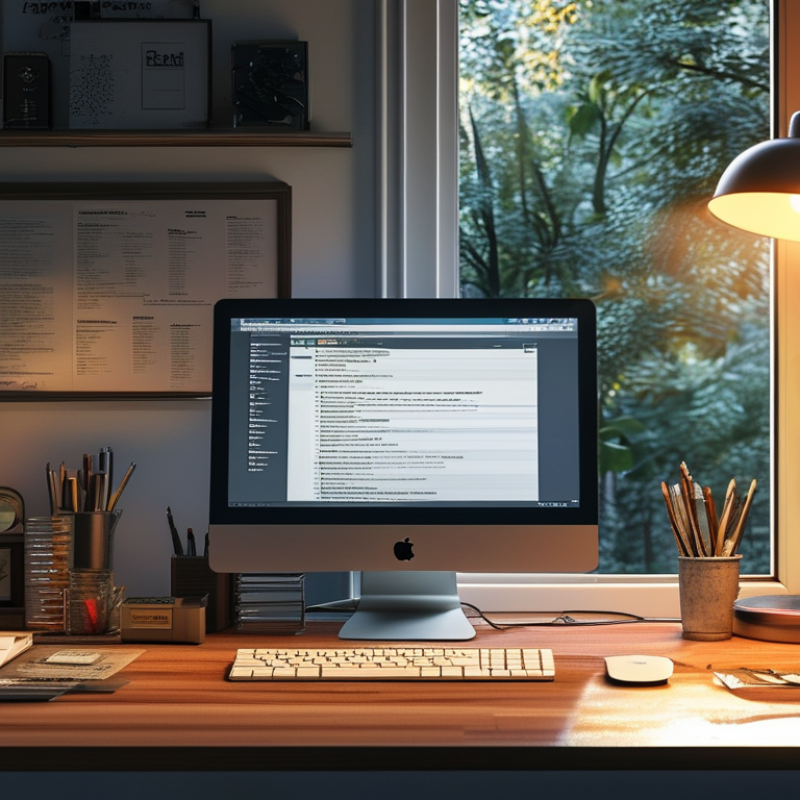
When designing lighting, it's easy to overlook common mistakes. One prevalent issue is inadequate planning. Without a clear layout, rooms can end up unevenly lit. This leads to dark corners and glaring hotspots. A well-thought-out plan ensures every space receives the right amount of light.
Another mistake is ignoring the space’s purpose. Different areas require specific lighting styles. For example, task lighting is crucial in kitchens and offices. Ambient lighting serves well in living areas. Failing to consider these needs can result in discomfort and inefficient use of space. Avoiding standard solutions without customization can lead to regret later.
Lastly, selecting the wrong color temperature impacts mood. Cool tones can feel sterile, while warm tones create a cozy ambiance. Misjudging this can change the entire atmosphere of a room. Reflecting critically on choices made during the design process can reveal areas needing improvement.
Layered lighting is crucial for creating a well-balanced environment. Many neglect its significance, which leads to inadequate illumination and ambiance. A report by the American Society of Interior Designers emphasizes that effective lighting design improves mood and productivity by up to 20%. Ignoring layered techniques can diminish these benefits.
Common mistakes include relying solely on overhead fixtures. This approach often results in harsh shadows and uneven light. Incorporating ambient, task, and accent lighting is essential. Ambient lighting provides overall illumination, while task lighting targets specific areas. For instance, using wall sconces or table lamps can enhance clarity in workspaces.
Moreover, the lack of variety in light sources can create a dull atmosphere. A survey by the International Association of Lighting Designers found that 72% of respondents preferred spaces with multiple light sources. This preference emphasizes the importance of variety in lighting. Balancing different layers not only improves aesthetics but also ensures that lighting serves its intended purpose. It's vital to rethink your approach to avoid these common pitfalls.
Color temperature is a crucial aspect of lighting design often overlooked. It significantly impacts how we perceive a space. Cooler temperatures create an energizing atmosphere, while warmer tones evoke relaxation. According to a study by the Lighting Research Center, the right color temperature can enhance mood and productivity by up to 30%. Ignoring this factor can lead to a disjointed environment that fails to meet user needs.
Consider the intended use of each room. In living areas, warmer light (2700K-3000K) fosters comfort and intimacy. In workspaces, cooler light (4000K-5000K) enhances focus and energy. An experimental report shows that 70% of participants felt more alert under bright, cool light during work tasks. Conversely, a poorly lit dining area may detract from the dining experience.
Tips: Experiment with color temperature to find the perfect fit for each space. Use dimmers to adjust light intensity and mood. Don’t hesitate to mix warmer and cooler lights in a single environment. This versatility can create a balanced atmosphere, enhancing the overall experience while avoiding a monotonous feel. Reflect on your lighting choices frequently to adapt to different needs and uses.
When designing lighting for spaces, one common mistake is overlooking functionality. A study by the Illuminating Engineering Society reveals that 70% of users feel that improper lighting negatively affects their productivity. Whether it's an office or a living room, lighting must complement the intended function.
Consider how different lighting types serve various purposes. For example, task lighting in a kitchen should be bright and focus on work areas. In contrast, a living room might benefit from softer, ambient lighting for relaxation. Forgetting these distinctions can lead to spaces that feel neither inviting nor functional.
Tip: Always assess how each room is used. In multifunctional spaces, use adjustable lighting to cater to different needs.
Another aspect to reflect on is the choice of light color. A report from the National Institute of Standards and Technology notes that cooler light promotes alertness, but too harsh lighting can cause discomfort. Striking the right balance is crucial.
Tip: Experiment with different bulbs before finalizing your design. The right color temperature can significantly enhance the usability of your spaces.
Energy efficiency is often overlooked in lighting design, leading to missed opportunities. Many designers focus solely on aesthetics and functionality, neglecting the environmental impact. Choosing energy-efficient options can significantly reduce both carbon footprint and operational costs.
Using LED technology is a common solution. However, it's not just about picking the latest bulbs. Understanding the broader system matters. Light placement, dimming options, and smart controls should be integrated into the design. Often, designers fail to assess how these elements interact, leading to inefficient lighting schemes.
Budget constraints can also drive poor choices. While cheaper fixtures may seem appealing, they can lead to higher long-term costs. Evaluating the lifespan and maintenance of lighting solutions is crucial. Skipping these considerations can result in wasted resources. Learning from past mistakes will lead to better, more efficient designs.
: Inadequate planning often leads to uneven lighting. This creates dark spots and glaring areas.
Different areas need specific lighting styles. Task lighting is vital in workspaces, while ambient lighting is best for relaxing.
Wrong color temperature impacts mood. Warm tones feel cozy, but cool tones can seem sterile.
Improper lighting can reduce productivity in spaces like offices. It can make rooms feel uninviting and dysfunctional.
Use adjustable lighting to accommodate different needs. This helps in making the space more versatile.
Experiment with different bulbs. Color temperature greatly influences the usability and comfort of spaces.
They can lead to regret later. Customization is key to meeting specific needs for different areas.
Too harsh lighting can cause discomfort. It's important to balance brightness with user comfort.
Reflecting on past choices can highlight areas for improvement. Continuous evaluation can lead to better designs.
Lighting choices can alter a room’s ambiance significantly. Thoughtful designs enhance comfort and experience.
In lighting design, it is crucial to recognize what are common mistakes in lighting design to create effective and aesthetically pleasing environments. A frequent oversight is ignoring the importance of layered lighting techniques, which can result in harsh or uneven illumination. Additionally, neglecting the role of color temperature can adversely affect the atmosphere of a space, leading to an unwelcoming or uncomfortable environment.
Furthermore, overlooking the functionality of spaces in lighting choices often means that designs fail to serve their intended purpose effectively. Lastly, failing to consider energy efficiency in design decisions not only impacts operational costs but also contradicts sustainable practices. Addressing these common pitfalls can significantly enhance the overall quality and performance of lighting designs.

CAPIVANA Lighting