Choosing the right decorative lighting for your home can transform your space dramatically. In fact, according to recent studies, well-designed lighting can increase a property's perceived value by up to 20%. When considering how to choose decorative lighting for a home, it's essential to recognize that lighting affects mood, productivity, and aesthetics.
A recent report from the American Lighting Association highlights the importance of selecting fixtures that resonate with your personal style while also meeting functional needs. With the average homeowner spending about $1,500 on lighting, wise choices are crucial. However, many people overlook the inconsistency in light temperature and design conflicts.
In addition, transitional styles have gained popularity, but not every design fits all homes. You may need to reflect on both style and practicality. Poor lighting choices can lead to discomfort and inefficiency. Understanding these elements not only helps in selecting the right fixtures but ensures a harmonious living environment.
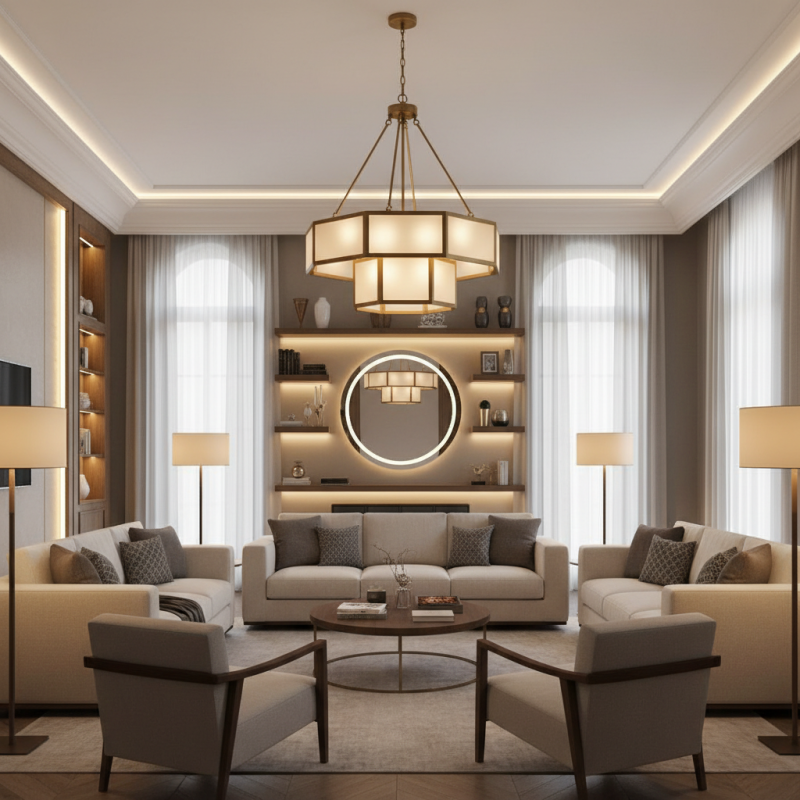
Decorative lighting plays a crucial role in home design. It goes beyond mere functionality. Effective lighting creates ambiance, sets the mood, and highlights design features. Imagine entering a room illuminated by soft, warm lights. The atmosphere shifts instantly, inviting guests to linger.
Choosing the right decorative lighting can be challenging. Consider the room's purpose and existing decor. A bright chandelier may overwhelm a cozy living space. Conversely, a simple pendant may lack impact in a grand foyer. It’s essential to experiment with different styles and placements. Test how light interacts with colors and textures.
Reflecting on your choices is key. Sometimes, what looks good in theory doesn’t translate well in practice. A light fixture that seemed stylish might feel out of place. Don’t rush the decision-making process. Allow yourself time to find what truly enhances your home. Think critically about how each piece contributes to your overall vision.
Choosing the right decorative lighting can greatly enhance the ambiance of your home. Different types of fixtures have distinct uses. For instance, chandeliers create a dramatic effect in dining rooms. They command attention and often serve as a room’s focal point. A study by the American Lighting Association indicates that 72% of homeowners choose lighting based on aesthetic appeal.
Wall sconces add warmth and style to hallways or living areas. They can complement existing decor while providing essential light. According to recent trends, 45% of consumers prefer adjustable lighting options. This flexibility allows for both bright and soft lighting when needed.
Table lamps are practical and versatile. They can brighten up dark corners or enhance a room's character. A report reveals that nearly 60% of consumers feel table lamps are essential for their living spaces. However, one should be cautious in placement. Poorly positioned lamps can create shadows or distractions rather than enhancing the space. It’s essential to balance functionality with style.
Choosing the right lighting for your home involves aligning it with your decor theme. Decorative lighting goes beyond mere functionality; it sets the mood. According to a report by the American Lighting Association, 80% of homeowners believe lighting affects their emotions. This underlines the significance of selecting the right style.
Consider how different lighting styles complement various home decor themes. For instance, if your home has a rustic feel, pendant lights with wood or wrought iron finishes can enhance that essence. A mid-century modern home may benefit from geometric pendant fixtures or minimalistic floor lamps. The right fixture acts as a focal point, drawing attention and adding character.
However, it’s easy to miss the mark. Many homeowners overlook the scale of their lighting. A small room can feel cramped with oversized fixtures. Conversely, a spacious area can feel empty with too small a light source. Surveys indicate that 54% of homeowners regret their lighting choices. Thoughtful planning can prevent these common mistakes.
When selecting decorative lighting, placement is vital. The location can influence both aesthetics and functionality. A beautifully designed lamp in a corner can create a cozy ambiance. However, if it’s too far from common sitting areas, its impact diminishes.
Consider the scale of your space. High ceilings may benefit from pendant lights hung low, drawing the eye upward. A chandelier can become a focal point in a dining room. Conversely, wall sconces beside artwork can enhance visual interest while providing soft light. These details transform the overall feel of the room.
Reflect on how you use the space. Are bright lights needed for reading? Or do you prefer softer options for relaxation? Take time to experiment with different placements. Sometimes, a light fixture won’t work in the expected spot. It’s okay to adjust based on how the room feels. Create layers of light. Combining ambient, task, and accent lighting can effectively maximize both style and usefulness.
When budgeting for decorative lighting, it's crucial to understand your financial limits. Research shows that home lighting accounts for about 10-15% of the total interior design budget. This means you can still achieve stunning results without overspending.
Consider pendant lights, which can range from $50 to over $500. The style you choose should reflect your home's character.
Finding the right balance is key. Choosing budget-friendly lighting doesn't mean compromising quality. Many retailers offer stylish options at lower prices. The average homeowner spends approximately $200 on lighting fixtures, but it varies widely. A thoughtful selection can elevate a space while staying within financial boundaries.
Additionally, DIY projects can be a cost-effective solution. Simple upgrades, like changing bulbs or adding lampshades, can transform a room. The American Lighting Association reports that 65% of homeowners are satisfied with their lighting choices post-renovation. Reflecting on past decisions can help avoid common pitfalls. Consider the overall design and purpose of the space before choosing fixtures.
: It creates ambiance, sets mood, and highlights design features in a room.
Think about the room's purpose and existing decor before making a choice.
Fixtures like chandeliers create drama, while wall sconces add warmth and style.
Placement affects aesthetics and functionality, influencing how the space feels.
Reflect on choices and test placements to find the best fit for your home.
Poor positioning can create shadows or distractions instead of adding enhancement.
Use lamps in corners or low-hung fixtures to draw the eye and invite comfort.
What works in theory may not feel right in practice; adjust for the best effect.
Adjustable lighting options are popular, allowing both bright and soft illumination as needed.
Combine ambient, task, and accent lighting to enhance both aesthetics and utility.
When considering how to choose decorative lighting for a home, it's crucial to first understand its significance in enhancing overall design. Decorative lighting not only serves a functional purpose but also adds character and warmth to a space. Evaluating the different types of fixtures, such as chandeliers, wall sconces, and pendant lights, allows homeowners to select options that best suit their needs and aesthetic preferences.
Aligning the chosen lighting style with the home decor theme is essential for a cohesive look. Additionally, determining the ideal placement of lighting fixtures can maximize both impact and functionality, ensuring that each room is both beautifully illuminated and practical. Lastly, budgeting for decorative lighting can accommodate various financial plans, providing solutions that enhance the home without overspending.
CAPIVANA Lighting