The question remains: can decorative lighting increase property value? As property markets evolve, aesthetic appeal plays a crucial role. According to a recent report from the National Association of Realtors, properties with enhanced lighting fixtures can sell up to 20% faster than those without. This statistic implies that buyers notice lighting when evaluating a home.
Lighting expert Jane Thompson emphasizes this trend. She states, “Well-designed lighting can elevate a property’s appeal and, consequently, its value.” This sentiment aligns with findings from a survey conducted by the American Society of Interior Designers, which found that over 70% of respondents felt lighting choices significantly affected their home buying decisions.
While many homeowners may overlook decorative lighting, it warrants serious consideration. It can create mood, highlight architectural features, and enhance curb appeal. However, it’s important to select the right fixtures. High-quality lighting may require upfront investment, but the potential return on investment could be substantial. It raises the question of affordability versus value. More research is needed to understand how decorative lighting shapes buyers’ perceptions in various markets.
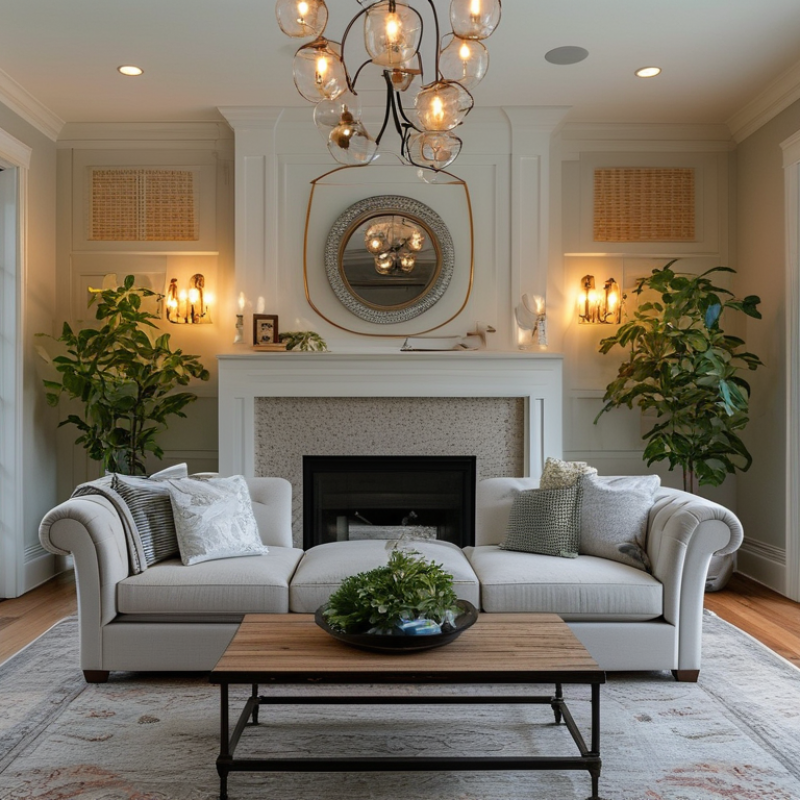
Decorative lighting significantly influences home aesthetics, enhancing both mood and visual appeal. A well-designed lighting scheme can create inviting spaces. According to a recent report from the National Association of Realtors, homes with enhanced lighting features sold for about 15% more than those without. This statistic indicates the strong connection between lighting and perceived property value.
Homeowners increasingly seek unique lighting solutions. Custom fixtures or strategically placed LEDs can accentuate architectural features and artwork. The American Lighting Association states that 70% of consumers believe lighting affects their home's beauty. Choosing appropriate lighting can transform ordinary rooms into extraordinary spaces, guiding potential buyers' perceptions.
Yet, not all lighting choices are beneficial. Overly bright or harsh lighting can detract from a home's appeal. Homeowners should consider the function of each area when selecting light fixtures. The goal is to compliment the home’s design. Market trends show that properties with thoughtful lighting solutions attract more interest. Reflecting on lighting’s impact on aesthetics can lead to more effective design decisions.
Decorative lighting is increasingly recognized for its role in elevating property aesthetics. In 2026, effective lighting design can enhance curb appeal significantly. Soft, ambient lights can create a welcoming atmosphere, attracting potential buyers. Well-lit gardens and entries showcase a home's features beautifully, emphasizing warmth and charm.
Homebuyers often look for that special touch. Unique lighting fixtures can make a property stand out in a competitive market. However, overspending on extravagant designs might not guarantee a return on investment. Striking a balance between style and functionality is crucial. Quality over quantity is often the better approach.
Local trends also influence the impact of decorative lighting. In urban areas, modern fixtures may appeal more, while suburban homes might benefit from classic designs. However, trends can shift quickly. Homeowners should stay informed and consider potential changes in buyer preferences. This continuous adaptation is essential for maximizing property value with lighting solutions.
Decorative lighting has become a vital aspect of home design. It can significantly influence a buyer's perception of value. Strategically placed fixtures can enhance ambiance. Warm, inviting spaces often resonate well with prospective homeowners. Features such as pendant lights and wall sconces add character and depth. These details can transform a standard room into something extraordinary.
Tips to consider: Select energy-efficient lighting options. They appeal to eco-conscious buyers. Use dimmers to create versatile settings. This adjustment allows spaces to shift from functional to cozy. Don’t overlook outdoor lighting; a well-lit exterior creates a welcoming first impression.
Another critical element is the style. Consider the home's architecture when choosing your fixtures. Modern homes may benefit from sleek, contemporary designs. Meanwhile, traditional homes may call for classic and ornate pieces. Failure to match lighting with the home's character can detract from overall appeal. Always aim for a cohesive look that tells a story.
When considering decorative lighting for your property, the return on investment (ROI) is a vital factor. Many homeowners are keen to enhance their spaces without overspending. Decorative lighting can elevate the ambiance of a home. Yet, it’s essential to analyze the costs versus the benefits carefully.
For instance, installing LED string lights or elegant fixtures can set a mood and improve aesthetics. Such enhancements can be more impactful in outdoor areas, creating inviting spaces for gatherings. However, the cost of high-quality installations can be significant. Homeowners often need to weigh initial expenses against the potential increase in property value.
Not every lighting option translates to value. Some styles may clash with the home’s architecture or the neighborhood vibe. A good strategy is to consult with local real estate experts. They can provide insights into trends in your area. This community knowledge can guide choices that genuinely resonate with buyers. Understanding your investment is crucial for success in decorative lighting.
Decorative lighting is becoming a significant factor in real estate markets. A recent report from the National Association of Realtors indicates that homes with well-designed ambient lighting can see a property value increase by up to 15%. This is particularly true in 2026, as home buyers prioritize aesthetic appeal. In urban areas, where competition is high, creative lighting can set a property apart.
However, the effect of decorative lighting can vary. While some designs may attract buyers, others might feel overly personalized. Homeowners should consider their market demographic. A study by the American Lighting Association found that modern, minimalist lighting is gaining popularity. This trend shows a potential to enhance property value. But what works in one neighborhood might not resonate in another.
Investing in decorative lighting is not without risks. The upfront costs can be substantial. If the style does not match buyer preferences, returns may fall short. It's crucial to balance creativity with market demands. Lighting should enhance a property, but it shouldn't overshadow it. Understanding local tastes is key to making informed decisions in a fluctuating market.
: Decorative lighting enhances mood and visual appeal, creating inviting spaces.
Yes, homes with enhanced lighting features can sell for about 15% more.
Homeowners prefer unique solutions like custom fixtures and strategically placed LEDs.
Overly bright or harsh lighting can detract from appeal, so choices matter.
Consider the function of each area to complement the home’s design.
Well-designed ambient lighting is increasingly important for property valuation.
Yes, upfront costs can be high, and styles may not match buyer preferences.
Modern, minimalist lighting designs are gaining popularity among buyers.
Reflection can lead to better design choices that enhance overall aesthetics.
Yes, overly personalized designs may not appeal to potential buyers.
The article titled "Can Decorative Lighting Increase Your Property Value in 2026?" explores the significant role of decorative lighting in enhancing home aesthetics and potentially boosting property values. As the real estate market evolves, the research highlights how decorative lighting can influence buyer perception and preferences in 2026. Key features that attract homebuyers include energy efficiency, style, and versatility, all of which can create a welcoming ambiance and elevate the overall appeal of a property.
Moreover, the article delves into the cost versus benefit analysis, indicating that smart decorative lighting installations can yield a desirable return on investment (ROI) when selling a home. With future predictions suggesting a continued rise in the importance of thoughtful lighting design, the conclusion firmly encapsulates the question: can decorative lighting increase property value? The evidence presented suggests that it indeed can, making it a valuable consideration for homeowners and real estate investors alike.

CAPIVANA Lighting