Choosing the right decorative lighting for your office space can transform the workplace atmosphere. As industry expert Linda M. Fletcher, a renowned interior designer, aptly puts it: "Lighting is the bloodline of an office's design." Understanding how to choose decorative lighting for offices is essential for fostering creativity and productivity.
The visual appeal of your office is influenced by lighting choices. Bright, well-placed fixtures can enhance productivity, while softer tones can create a relaxed vibe. However, finding the balance is crucial. Poor lighting might lead to frustration and fatigue, diminishing overall work quality.
It's also important to think about the unique needs of your team and space. Each office has a different layout and purpose. What works for a tech company may not suit a law firm. Personalization in lighting can significantly impact employee satisfaction. Thus, learning how to choose decorative lighting for offices is about considering functionality, aesthetics, and the well-being of your team. Balancing these aspects can yield a space that truly reflects your company’s values.
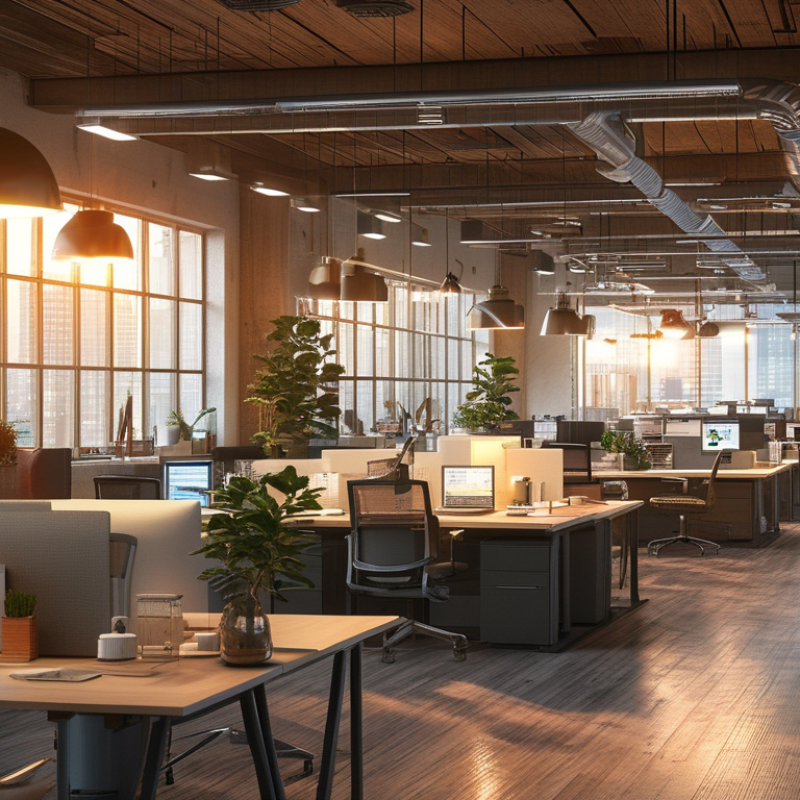
Choosing decorative lighting for your office is essential. The right lighting can improve mood and productivity. Start by assessing the size of your space. Large offices may benefit from statement fixtures. Smaller areas might require more compact designs. Consider layering lights to create depth. A combination of ambient and task lighting works well in most environments.
Next, think about the style of your office. Industrial spaces suit exposed bulbs and metal fixtures. Cozy offices may look better with warm-toned lights and softer shapes. Pay attention to color temperature. Cooler lights tend to enhance focus, while warmer lights create a comfortable atmosphere.
Don’t forget about energy efficiency. LED lights can save power and reduce costs. Reflect on maintenance needs as well. Some fixtures are harder to clean than others. An overly ornate piece might gather dust easily. Keep in mind that lighting can influence employee well-being. It’s a balance between aesthetics and functionality.
Lighting plays a crucial role in any office environment. Proper lighting can significantly influence employee productivity and overall well-being. Natural light is ideal. It boosts mood and energy levels. However, not all offices have access to natural sunlight. This lack often leads to poor lighting choices that may harm employee morale.
Artificial lighting needs careful consideration. Bright, harsh lights can cause eye strain and fatigue. Soft, warm lights create a calming atmosphere. These types of lighting can enhance creativity and focus. Employees tend to feel more at ease, which can directly impact their output. Therefore, striking a balance between brightness and warmth is essential.
The layout of lighting fixtures matters too. Overhead lights can create shadows. Task lighting at desks can enhance visibility for specific tasks. Incorporating table lamps or adjustable lights offers flexibility. Employees may feel empowered when they have control over their lighting. This reflects a culture that values their comfort and needs. However, poorly placed lights can be distracting. Regular assessments can help maintain an optimal environment for everyone.
When selecting decorative lighting for an office, understanding the various types is essential. There are several categories to consider: ambient, task, and accent lighting. Each type plays a distinct role in enhancing the workspace's aesthetics and functionality. A recent report from the American Society of Interior Designers highlights that well-chosen lighting can improve employee productivity by up to 20%.
Ambient lighting provides overall illumination. It sets the mood and can be achieved through ceiling fixtures or wall-mounted lights. Task lighting focuses on specific areas, such as desks or meeting spaces, enhancing visibility for detailed work. Some studies suggest that effective task lighting can reduce eye strain, increasing comfort and efficiency. Accent lighting highlights artwork or architectural features, creating a welcoming environment.
In the quest for a cohesive design, balance is key. However, it’s crucial to avoid overwhelming the space with excessive fixtures. Too much lighting can lead to distractions rather than improvements. Reflect on the purpose of each light source. Will it serve multiple functions or simply exist as decoration? Choosing the right mix can transform an ordinary office into an engaging, productive workplace.
When considering office lighting, budgeting plays a crucial role. Quality lighting enhances productivity and well-being. However, cost constraints often limit options. Choosing the right balance of expense and value is essential. High-quality fixtures may seem expensive initially. Yet, they can reduce energy costs over time. Investing in LED lights may yield savings on both bills and replacements.
Think about your specific needs. An open workspace may require different lighting than private offices. Task lighting can help reduce eye strain. It’s often worth splurging on adjustable fixtures that suit various activities. Lighting should be both functional and aesthetically pleasing. Neglecting this could result in a disjointed environment, affecting mood and focus.
While sticking to a budget is critical, consider the long-term impact. Low-cost options may lead to frequent replacements and increased maintenance. Reflect on whether it is more economical to invest upfront. Evaluate the overall atmosphere and its effect on employee morale. Sometimes, it’s necessary to prioritize quality over immediate savings for a better work environment.
Choosing decorative lighting for your office can significantly impact both aesthetics and sustainability. Recent trends highlight the importance of using energy-efficient fixtures. Opting for LED lighting can reduce energy consumption while providing various design options. Many offices now incorporate natural light, enhancing both employee well-being and productivity.
Balancing aesthetics and functionality is essential. Thoughtfully designed fixtures create a welcoming atmosphere. Consider the materials and colors used in your office. Warmer tones can make a space feel more inviting. Yet, some designs may not reflect your brand's identity. It’s crucial to revisit your choices and adapt as needed.
Incorporating biophilic design is another emerging trend. Natural elements in lighting design can improve air quality and mood. However, not every office space is suited for this approach. Evaluate your space and consider adjustments. Finding the right lighting can elevate the entire work environment while maintaining a focus on sustainability.
: Assess your space size first. Large offices can use statement fixtures; smaller spaces might need compact designs.
Layering lights is effective. Use both ambient and task lighting to create balance and depth in your office.
Your office style matters. Industrial spaces can use metal fixtures, while cozy environments benefit from warm-toned lights.
Cooler lights enhance focus. Warmer lights create a comfortable atmosphere that encourages relaxation and better mood.
Energy-efficient lighting, like LED lights, saves power and reduces electricity costs. It’s a practical choice for any office.
Quality lighting impacts productivity. While it may cost more upfront, it saves on replacements and maintenance over time.
Reflect on maintenance needs when choosing fixtures. Some are harder to clean and may collect dust easily.
Look for sustainability and aesthetics. Energy-efficient fixtures and natural elements enhance both the environment and well-being.
Yes, the right lighting creates a positive atmosphere. Poor choices can lead to a disjointed environment, hurting mood and focus.
Natural elements in your lighting can improve mood and air quality, but ensure your space is suitable for this approach.
When considering how to choose decorative lighting for offices, several key factors come into play. It is essential to assess not only the aesthetic appeal of lighting options but also their impact on employee productivity and well-being. Effective lighting can enhance mood and focus, directly influencing work performance. A comparative analysis of types of decorative lighting reveals diverse styles, from overhead fixtures to task lighting, each with unique benefits.
Additionally, budgeting for quality office lighting involves understanding the cost versus benefit equation, as good lighting can lead to long-term savings through improved employee satisfaction and reduced energy consumption. Finally, staying informed of current trends in office lighting design, particularly those emphasizing sustainability and aesthetics, will ensure that the selected lighting contributes positively to the overall work environment.

CAPIVANA Lighting