How to Choose Decorative Lighting for Restaurants in 2026?

Time:2026-06-27 Author:Oliver
0%

In 2026, selecting the right decorative lighting for restaurants requires a blend of creativity and strategy. Industry reports indicate that 80% of customers cite ambiance as a key factor in their dining experience. An expert in restaurant design, John Smith, emphasizes the importance of mood: “Lighting can transform a dining space and influence customer behavior.”

When learning how to select decorative lighting for restaurants, it’s essential to consider both aesthetics and functionality. For example, warm tones can create an inviting atmosphere, while bright lights may work for fast-casual settings. Think about the materials and shapes that will reflect your brand's identity.

However, it’s crucial to strike a balance. Overly dim lighting may deter diners, while too much brightness can feel sterile. Examining these elements can feel overwhelming, but polling patrons and seeking expert advice can help refine choices. Reflecting on these decisions will ensure that the right lighting enhances the dining experience without compromising environment or safety.
How to Choose Decorative Lighting for Restaurants in 2026?

Understanding the Role of Decorative Lighting in Restaurant Ambience

Decorative lighting plays a crucial role in shaping the ambience of restaurants. The right lighting can create a warm, inviting atmosphere that encourages guests to linger. Dim, soft lights can foster intimacy, while brighter options energize the space. Thoughtfully placed lights can highlight architectural details or artwork, drawing guests' attention to them.

When choosing decorative lighting, consider the restaurant's theme. Industrial styles may benefit from Edison bulbs and metal fixtures, while fine dining might call for elegant chandeliers. Color temperature is another critical factor. Warm colors stimulate comfort, while cooler hues can promote a lively environment. However, achieving balance is key. Too much brightness can feel clinical, while overly dim lighting may make reading menus difficult.

Reflecting on past lighting choices can aid in future design. Some spaces may have struggled with overly decorative fixtures that clashed with the decor. Others may have found a lack of variety left the experience flat. Taking time to evaluate what worked and what didn't informs better decisions. Layered lighting, combining task and accent styles, often yields the best results for various times of day.

Identifying the Latest Trends in Restaurant Lighting Design for 2026

In 2026, the trends in restaurant lighting design are evolving. The focus is on creating immersive experiences. Warm, inviting tones will dominate, enhancing the overall ambiance. Energy-efficient LED lighting is becoming a staple. It's crucial for sustainability without compromising style. Balancing functionality and aesthetics is a key consideration for restaurateurs.

Creating a unique atmosphere requires careful selection of fixtures. Consider layering different types of lighting. Combine ambient, task, and accent lighting for depth. Using fixtures with organic shapes can add visual interest. Minimalistic designs with clean lines are also appealing. They can create a chic and modern feel.

**Tips:** Consider dimmable options to adjust the mood throughout the day. Use pendant lights over dining tables for focused illumination. Integrate smart lighting systems for flexibility and convenience. Reflect on the overall theme and cuisine. Lighting should complement the dining experience, not overshadow it.

Evaluating Different Types of Decorative Lighting Fixtures for Restaurants

Choosing the right decorative lighting for restaurants in 2026 involves understanding various lighting fixtures and their impact. Wall sconces can add warmth and style to dining areas. They create a cozy atmosphere, encouraging patrons to linger. However, placement is crucial. Too high or low can disrupt the overall flow of the space.

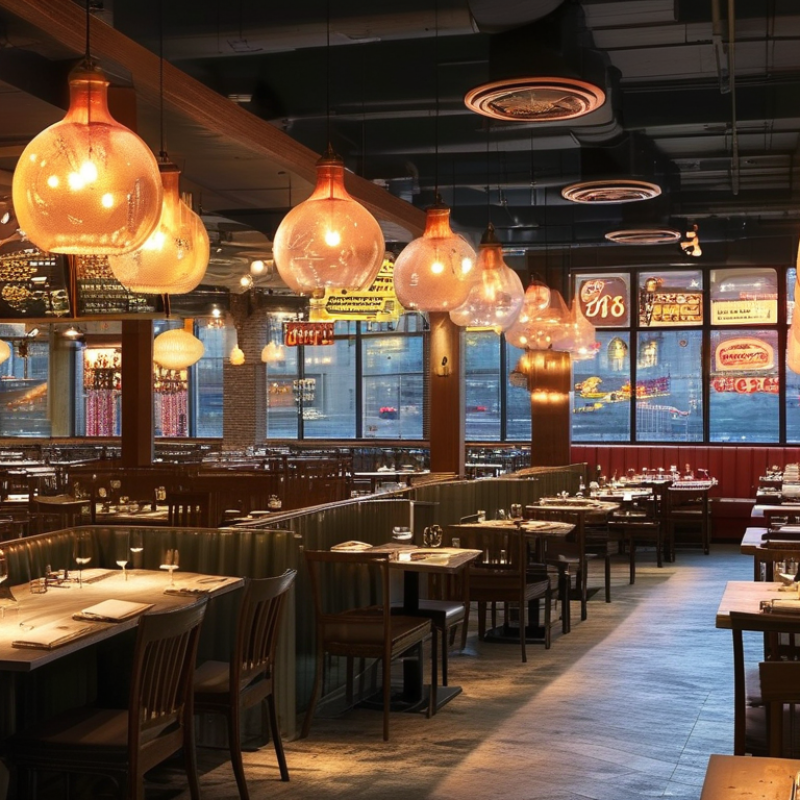
Pendant lights are another popular option. They focus light on tables, enhancing the dining experience. Consider shapes and materials for a unique touch. An industrial metal design may suit a modern space, while glass fixtures can evoke elegance. Reflect on how each choice aligns with your restaurant's theme.

Chandeliers can be bold statements. They draw attention and elevate the ambiance. Yet, the wrong style can overwhelm the space. Always measure your area before installation. Additionally, think about the longevity and maintenance of fixtures. Choosing high-quality options will save costs in the long run. Remember that decorative lighting should enhance the mood, without overpowering other elements in your restaurant.

Incorporating Color and Texture in Decorative Lighting Selections

When selecting decorative lighting for restaurants in 2026, color and texture should play a vital role. Current industry data suggests that ambiance accounts for 60% of a customer’s overall dining experience. Using vibrant colors can influence mood and enhance the environment. For example, warm tones like amber and soft whites create a cozy atmosphere, while bold colors like teal and burgundy can energize the space.

Texture is equally important. Incorporating textured fixtures adds depth and interest. Reports indicate that diners respond positively to layers of lighting. Combining pendant lights with textured wall sconces can achieve this effect. Reflective surfaces can amplify light and create a dynamic atmosphere, encouraging social interaction.

Tips: Utilize materials like woven rattan or frosted glass for a soft, inviting look. Also, consider changing lighting intensity as the day progresses. This responsiveness can shape a customer's experience, contributing to longer stays and increased satisfaction. Remember, balance is key; too much color or texture can overwhelm the senses. Evaluate regularly to ensure that the lighting aligns with your restaurant's vision.

Balancing Functionality and Aesthetics in Restaurant Lighting Choices

Choosing the right decorative lighting for restaurants in 2026 involves a delicate balance. Aesthetics attract customers, while functionality ensures their comfort. Lighting should enhance the dining experience without overwhelming the senses. Soft, warm tones create an inviting atmosphere. However, overly dim areas can lead to discomfort while reading the menu.

Consider using layered lighting. Combine ambient lights with task lights over tables. This setup provides illumination where it’s needed most. But too much brightness can feel sterile and unwelcoming. Designers often struggle to find the right intensity. Striking the perfect balance can be a challenge, requiring multiple iterations and evaluations.

Don’t forget about energy efficiency. Sustainable lighting options are essential in today’s market. LED fixtures are popular, but their glare can be problematic. Opt for diffusers to soften the light. This creates a cozy environment and enhances the overall design. Ultimately, the goal is to create a space that feels warm and welcoming while ensuring guests can comfortably navigate their dining experience.

How to Choose Decorative Lighting for Restaurants in 2026? - Balancing Functionality and Aesthetics in Restaurant Lighting Choices

Lighting Type Functionality Aesthetic Appeal Energy Efficiency Rating Cost Range
Pendant Lights Direct lighting for tables Creates a cozy atmosphere A+ $100 - $500
Wall Sconces Ambient and task lighting Adds character to the decor B+ $50 - $300
Chandeliers Main lighting fixture Elegant focal point B $200 - $2000
LED Strip Lights Accent and backlighting Modern and sleek A++ $20 - $100
Table Lamps Supplementary task lighting Intimate dining experience B+ $30 - $150

FAQS

: How important is color in decorative lighting for restaurants?

: Color significantly impacts the ambiance. It affects customer mood and overall experience.

What colors are best for creating a cozy atmosphere?

Warm tones like amber and soft whites work well for a cozy vibe.

How can texture enhance decorative lighting?

Textured fixtures add depth. Combining different lighting types creates layers that diners appreciate.

What should I consider regarding lighting intensity?

Gradually changing lighting intensity throughout the day can enhance the dining experience.

How can functionality be balanced with aesthetics in lighting?

Combine appealing designs with practical lighting solutions that enhance comfort without being overwhelming.

What materials are recommended for a soft, inviting look?

Materials like woven rattan or frosted glass can create a warm and inviting atmosphere.

Are there energy-efficient lighting options?

Yes, sustainable lighting such as LED fixtures is essential, but glare should be managed with diffusers.

What can happen if there is too much color or texture?

Overwhelming design can disrupt the experience. Balance is crucial for a pleasing environment.

Why is layered lighting effective in restaurant design?

Layered lighting combines ambient and task lights, providing necessary illumination without overwhelming the space.

How often should lighting be evaluated?

Regular evaluations ensure the lighting aligns with the restaurant's vision and enhances guest experience.

Conclusion

Choosing the right decorative lighting is crucial for creating the desired ambience in restaurants. In 2026, understanding how to select decorative lighting for restaurants involves recognizing its role in enhancing the dining experience. It's important to identify the latest trends in restaurant lighting design, which often emphasize eco-friendliness and smart technology integration. Evaluating various types of decorative fixtures, from pendant lights to wall sconces, allows restaurateurs to tailor their choices to the atmosphere they wish to create.

Moreover, incorporating color and texture into lighting selections can significantly impact the overall ambiance. By balancing functionality with aesthetics, restaurant owners can ensure that their lighting not only beautifies the space but also serves practical needs, such as adequate illumination for dining and social interaction. Ultimately, an effective lighting strategy will enhance customer satisfaction and contribute to the restaurant's unique identity.

Oliver

Oliver

Oliver is a seasoned marketing professional with a wealth of expertise in driving brand awareness and engagement. With a deep understanding of our company's product offerings, he consistently delivers high-quality content that enriches our professional blog. His insights not only shed light on......