Choosing decorative lighting for small spaces can be challenging but rewarding. According to a recent report by the American Lighting Association, effective lighting can improve the perception of space by up to 25%. This statistic highlights the significance of appropriate lighting choices. Renowned interior designer Sarah Thompson emphasizes, “The right light can transform a cramped area into an inviting retreat.”
In small spaces, every detail counts. Layers of lighting—ambient, task, and accent—help in creating depth and dimension. However, the wrong choice can make a space feel cluttered. Consider the scale and style of light fixtures. Oversized items can overwhelm a small room. It's crucial to find balance and harmony.
Many often overlook the impact of decorative lighting. It does more than illuminate; it enhances mood and character. Selecting the right fixtures demands careful thought. The challenge lies in merging function with aesthetics. Not every bright idea will fit. Reflecting on these aspects can lead to innovative solutions in “how to choose decorative lighting for small spaces.”
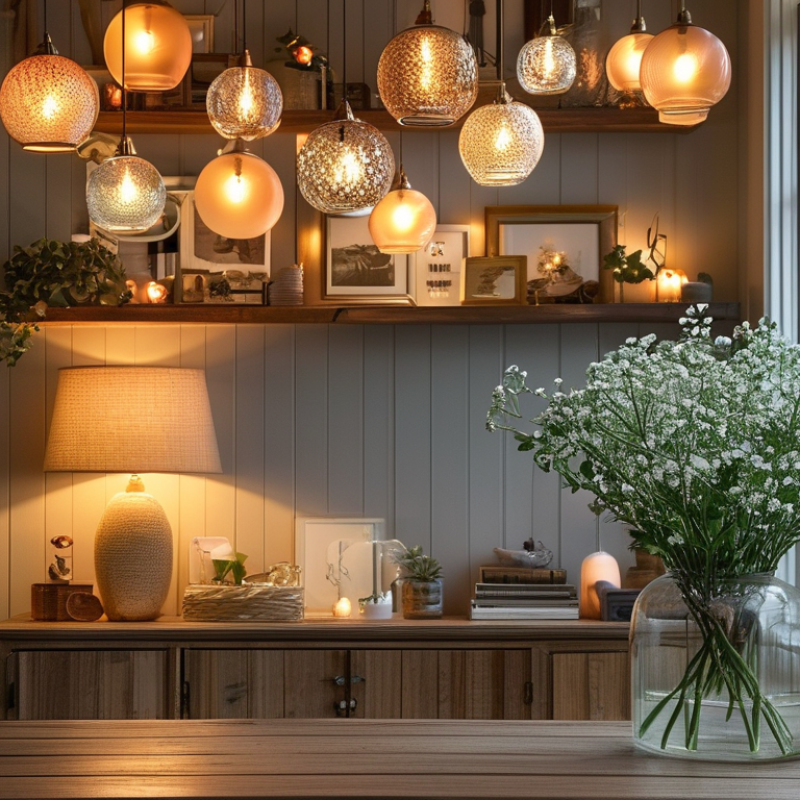
Understanding the Importance of Lighting in Small Spaces
In small spaces, lighting plays a crucial role. It can create an illusion of depth, making a room feel larger. According to a report by the American Society of Interior Designers, lighting impacts up to 80% of how we perceive a space. This perception is vital in small settings where every detail matters.
Utilizing layered lighting is essential. Combine ambient, task, and accent lights to achieve balance. For example, pendant lights can add height, and sconces can draw the eye upward. Experts recommend using warmer tones for a cozy atmosphere. Lighting fixtures should be proportional to the room size. Large fixtures can overwhelm small areas.
Considering the placement of lights is necessary, too. A poorly placed light can create shadows or make a room feel cramped. The focus should be on functionality and aesthetics. An experiment conducted by the Light Research Center showed that rooms with well-planned lighting can boost mood by up to 40%. Reflecting on these aspects can significantly enhance small living areas.
Types of Decorative Lighting Suitable for Compact Areas
When it comes to small spaces, the right decorative lighting can transform the ambiance of a room. Popular options for compact areas include wall sconces, pendant lights, and table lamps. According to a report by the American Lighting Association, well-placed decorative lighting can enhance the perception of space, making a room feel larger and more inviting.
Wall sconces are a fantastic choice for narrow hallways or small living rooms. They take up minimal space and can wash walls with light, creating an illusion of height. Pendant lights can be used over dining tables or kitchen islands, giving a focal point without overwhelming the surroundings. These lights often come in various styles, allowing for personal expression.
For a small workspace, consider using a stylish table lamp that offers both functionality and aesthetics. Look for lamps with adjustable brightness to enhance productivity without taking up too much real estate.
Consider your color palette. Reflective surfaces can make lighting appear brighter, helping small rooms feel airy. This technique can highlight architectural features, but too many reflective elements might clash.
Experimenting with various light levels is essential. Layering ambient, task, and accent lighting can create depth. Nevertheless, balance is vital; over-lighting can create a chaotic atmosphere that may feel cluttered.
How to Choose Decorative Lighting for Small Spaces Guide? - Types of Decorative Lighting Suitable for Compact Areas
| Lighting Type |
Description |
Best For |
| Wall Sconces |
Mounted on walls, these fixtures save floor space and create an ambient glow. |
Hallways, Living Rooms |
| Pendant Lights |
Hanging fixtures that add a decorative touch above tables or kitchen islands. |
Dining Areas, Kitchens |
| Table Lamps |
Portable lighting sources that offer versatility in small living spaces. |
Living Rooms, Bedrooms |
| Floor Lamps |
Tall lamps that can illuminate corners and add height to a room. |
Small Living Areas, Offices |
| String Lights |
Flexible lighting option that adds a warm and inviting atmosphere. |
Balconies, Bedrooms |
Key Considerations for Selecting Lighting Fixtures
When selecting lighting fixtures for small spaces, there are several key considerations to keep in mind. First, think about the function of the space. Is it a reading nook or a dining area? Different activities require different lighting. Use warm, soft lights for a cozy ambiance. For work areas, consider brighter, cooler tones that enhance focus.
Size matters significantly in small areas. Choose fixtures that complement the scale of the room. Large, bulky lights can overwhelm a tiny space. Instead, look for minimalist designs or wall-mounted options that save floor space. Incorporating mirrors can help reflect light, making the area feel larger and brighter.
Layering light can create depth and enhance the overall aesthetic. Use a combination of ambient, task, and accent lighting to achieve this effect. Dimmers are also helpful, allowing flexibility based on the time of day or occasion. While experimenting, remember that your choices reflect your personal style, so it’s okay to make mistakes and adjust as necessary. Lighting should not only serve a purpose but also express who you are.
How to Choose Decorative Lighting for Small Spaces
This chart illustrates key considerations for selecting lighting fixtures in small spaces, focusing on the importance of brightness, size, style, and energy efficiency.
How to Layer Lighting for Enhanced Depth and Ambiance
Layering lighting in small spaces can significantly enhance depth and ambiance. To achieve this, consider the three main types of lighting: ambient, task, and accent. Ambient lighting serves as the foundation, providing overall illumination. Use soft, diffused sources like wall sconces or ceiling fixtures that blend with the room’s color palette. This helps in making the space appear larger and more inviting.
Task lighting comes next. It focuses on specific areas, like a reading nook or a kitchen counter. Think about table lamps or under-cabinet lights. Position them strategically to avoid harsh shadows.
Accent lighting adds personality and draws attention to artwork or architectural features. Use small spotlights or decorative string lights for a touch of whimsy. Each layer adds its charm, but balancing them is crucial.
One common mistake is relying solely on one type of lighting. This can create flat, uninteresting spaces. Experiment with different sources until you find the right mix. Take precautions regarding brightness levels. Overly bright spaces can feel cold and unwelcoming. Pay attention to how the light interacts with colors and textures. Sometimes, a dimmer could be your best friend in a small room.
Tips for Maximizing Light Impact in Limited Square Footage
Maximizing light impact in small spaces is crucial for creating an inviting atmosphere. Studies show that well-placed lighting can improve mood and productivity by up to 25%. Choose fixtures that emit a soft, warm glow. This type of lighting creates a cozy feel, essential in confined areas.
Consider layering different light sources. Use ambient, task, and accent lights together. Ambient lighting provides overall illumination, while task lighting focuses on specific areas, like reading nooks. Accent lighting can highlight art or architectural features. A combination of these lighting types can transform a small room, giving it depth and dimension.
Mirrors can play a significant role in enhancing light. Position a large mirror opposite a window to reflect natural light. This trick can make a small area feel twice its size. Research indicated that reflective surfaces can improve brightness levels by over 30%. Also, be mindful of bulb choices. LEDs are energy-efficient and come in various color temperatures, making them a versatile option for any space.
FAQS
: Lighting significantly affects how we perceive a space, impacting up to 80% of our experience in small areas.
Use a combination of wall sconces, pendant lights, and table lamps for a balanced ambiance.
Wall sconces save space and can wash walls with light, creating a feeling of height in tight areas.
Ambient lighting provides overall illumination, task lighting focuses on specific areas, and accent lighting highlights features.
Be mindful of light placement; poor positioning can create shadows and make the space feel smaller.
Consider reflective surfaces to brighten the space but avoid clashing with too many reflective elements.
Mix ambient, task, and accent lighting to create depth, but balance is key to avoid an overwhelming atmosphere.
Relying on only one type of lighting can make a space feel flat and uninteresting.
Well-planned lighting can boost mood by up to 40%, so consider the effectiveness of each layer.
Over-lighting can make a room feel chaotic; use dimmers and adjust brightness levels for comfort.
Conclusion
When learning how to choose decorative lighting for small spaces, it is essential to understand the significant role lighting plays in enhancing the perception of space. Effective lighting can create an inviting atmosphere, making compact areas feel larger and more comfortable. There are various types of decorative lighting suitable for small areas, including wall sconces, pendant lights, and stylish table lamps that complement the room’s aesthetic.
Key considerations for selecting lighting fixtures involve assessing the size and layout of the space, as well as the desired ambiance. Layering different types of lighting—ambient, task, and accent—can enhance depth and create a more dynamic feel. Finally, to maximize light impact in limited square footage, strategically placing mirrors and using light-colored fixtures can help reflect light and establish a brighter environment, making the most of what little space you have.

 CAPIVANA Lighting