2026 How to Choose Modern Decorative Lighting for Any Space?

Time:2026-09-03 Author:Charlotte
0%

In the realm of interior design, understanding "what is modern decorative lighting" becomes crucial for creating inviting spaces. Renowned lighting designer, Emily Johnson, emphasizes, “Lighting is not just functional; it inspires mood and style.” Modern decorative lighting transcends mere illumination, incorporating artistic elements that enhance aesthetics.

Choosing the right fixtures involves considering various factors. Design, color, and material should align with the overall decor. Look for pieces that draw attention yet don’t overpower the room. Additionally, functionality matters—often, modern designs lack versatility. It's essential to balance beauty with usefulness.

Reflection is key in this process. Is your choice enhancing the space or detracting from it? Consider how lighting interacts with other elements in the room. Not every trendy choice fits all environments. Thoughtful selection ensures your lighting complements the intended atmosphere.
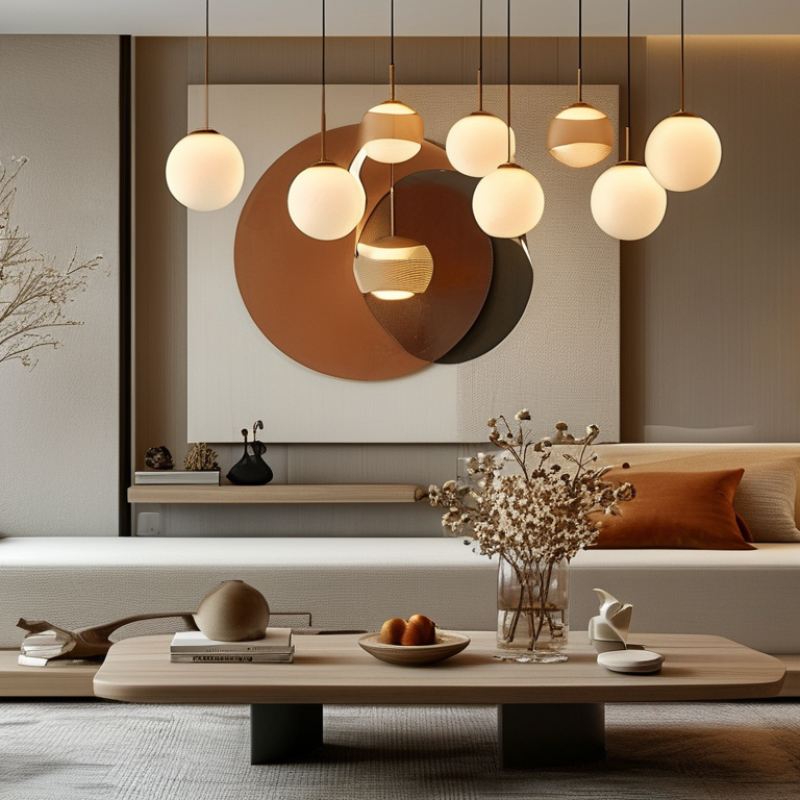
2026 How to Choose Modern Decorative Lighting for Any Space?

Understanding the Role of Lighting in Interior Design

Lighting plays a crucial role in interior design. According to a report by the American Lighting Association, proper lighting can enhance mood and productivity in a space. For instance, soft lighting in a living room creates a cozy atmosphere, making it ideal for relaxation. Bright, focused lighting in workspaces can increase concentration and efficiency, proving that the right choice impacts daily life.

Different types of lighting serve various purposes. Ambient lighting provides general illumination. Task lighting helps with specific tasks like reading or cooking. Accent lighting highlights artwork or architectural features, adding depth to the room. Industry insights note that nearly 70% of designers consider lighting essential in achieving a balanced design.

Despite its importance, lighting choices are often overlooked. Many people choose fixtures based on aesthetics alone, neglecting their functional value. It is vital to reflect on how lighting affects daily activities. For maximal impact, think about layering lighting types. This can transform any space from ordinary to extraordinary, addressing both form and function.

Identifying Different Types of Modern Decorative Lighting

When selecting modern decorative lighting, understanding the different types is crucial. For instance, pendant lights are versatile and can enhance various spaces. According to a recent industry report, pendant lighting is favored in 40% of modern homes for its stylish appeal and functionality. They can serve as statement pieces over dining areas or in kitchens, making them both practical and aesthetically pleasing.

Wall sconces also play a significant role in modern lighting design. They are excellent for creating ambiance in hallways or living rooms. With their adaptability, wall sconces can blend well with any décor style. Notably, a survey found that 30% of homeowners prefer wall sconces for their ability to save floor space while providing adequate illumination.

Consider these tips while choosing lighting. Match the size of the fixture to the space; a large chandelier may overwhelm a small room. Layer the lighting by combining different types for added depth. Lastly, think about the color temperature of bulbs; warmer tones create inviting atmospheres, while cooler tones promote focus. Lighting choices significantly impact mood and functionality in any environment, so reflect carefully on your selections to enhance your space effectively.

2026 How to Choose Modern Decorative Lighting for Any Space? - Identifying Different Types of Modern Decorative Lighting

Type of Lighting Description Best For Style
Chandeliers Elaborate light fixtures hanging from the ceiling, often with multiple bulbs. Dining rooms, entryways, and grand spaces. Elegant, Contemporary, Classic
Pendant Lights Single light fixtures suspended from the ceiling, often over counters or tables. Kitchens, dining areas, and bars. Modern, Industrial, Minimalist
Wall Sconces Light fixtures attached to walls, providing ambient or accent lighting. Hallways, living rooms, and bedrooms. Traditional, Rustic, Contemporary
Floor Lamps Tall lamps that stand on the floor, ideal for providing indirect light. Living rooms, reading corners, and offices. Modern, Art Deco, Vintage
Table Lamps Lamps designed for tabletops, providing focused lighting for tasks. Bedside tables, desks, and side tables. Traditional, Modern, Eclectic
Track Lighting Flexible lighting system mounted on tracks, adjustable to highlight specific areas. Exhibit spaces, galleries, and modern kitchens. Contemporary, Modular, Industrial

Evaluating the Functionality of Lighting in Each Space

When selecting lighting, consider how it impacts functionality. Each room has unique needs. For instance, kitchens require bright task lighting, while bedrooms benefit from softer, ambient options. The light’s intensity can make or break a space's usability.

In the living area, layering light sources creates warmth and depth. Combine overhead fixtures with floor and table lamps. This multifaceted approach ensures every corner is illuminated, preventing dark areas that feel unwelcoming. Reflect on your daily activities to guide your choices.

Consider how colors and materials affect light quality. A room with dark walls may need brighter fixtures to balance the mood. Conversely, lighter shades can help diffuse light, creating a tranquil ambiance. Not all lighting solutions are suitable for every space, so take time to evaluate and adjust accordingly.

Choosing the Right Style and Aesthetic for Your Decor

Choosing the right style and aesthetic for your decor can feel overwhelming. There are countless options available today. First, consider the overall vibe of your space. Do you prefer a modern or a more traditional look? Each style dramatically influences your lighting choices. For example, sleek fixtures complement minimalistic designs, while ornate lanterns can enhance a vintage atmosphere.

Lighting should harmonize with your existing decor. It’s crucial to match the scale and finish of the lights with your furnishings. Oversized chandeliers might dominate a small room. Subtle pendant lights could get lost in a large space. Think about the materials too. Warm metals often create a cozy feel, whereas glass accents bring freshness.

Don't be afraid to experiment. Mixing different styles can create a unique personality. However, it might lead to a chaotic look if not balanced properly. Find a focal point, like artwork or a statement piece. Let your lighting enhance that standout element. Remember, reflect on your choices. Sometimes, a simpler solution can be more effective than complicated designs.

Assessing Energy Efficiency and Technology in Lighting Options

When selecting modern decorative lighting, energy efficiency is crucial. Recent studies indicate that lighting accounts for about 15% of annual energy use in homes. This makes choosing the right lighting not just a matter of aesthetics, but also of practicality. Options like LED lights have gained popularity due to their low energy consumption. Compared to traditional incandescent bulbs, LEDs use 75% less energy and last 25 times longer.

Also, consider the technology behind your lighting choices. Smart lighting systems are becoming mainstream. They offer features such as dimming, color temperature adjustment, and remote control. According to a report by the U.S. Department of Energy, communities using smart lighting saw a 30% reduction in energy costs. But, it’s essential to weigh the costs of initial installation against long-term savings.

Many consumers may overlook the lifecycle impact of their lighting choices. Not all energy-efficient options are equally sustainable. Some LED products contain materials that are challenging to recycle. Understanding these nuances can lead to better decisions. Investing in lighting can pay dividends, but mindful choices are necessary. Ultimately, it’s about finding a balance between aesthetics, efficiency, and sustainability in your lighting strategy.

Energy Efficiency of Different Lighting Types

FAQS

: What should I consider when selecting lighting for different rooms?

: Each room has unique needs. Kitchens need bright task lighting, while bedrooms benefit from softer, ambient options.

How can I enhance the living area's lighting?

Layering light sources creates warmth. Combine overhead fixtures, floor, and table lamps for a well-lit space.

What role do colors play in lighting?

Dark walls may require brighter fixtures. Lighter shades diffuse light, creating a tranquil ambiance.

Why is energy efficiency important in lighting?

Lighting makes up about 15% of annual energy use. Efficient choices can save money and reduce energy consumption.

What are the benefits of LED lighting?

LEDs use 75% less energy than incandescent bulbs. They also last 25 times longer, making them a practical choice.

What should I know about smart lighting systems?

Smart lighting offers features like dimming and remote control. Initial costs may be higher, but long-term savings are possible.

How can I assess the sustainability of lighting options?

Not all energy-efficient options are equally sustainable. Some LEDs contain materials that are difficult to recycle.

How does lighting impact daily activities?

Poor lighting can make daily tasks harder. Reflect on how light affects your activities to guide your choices.

What about the initial cost vs. long-term savings in lighting?

Weigh installation costs against potential savings. Mindful choices require balance between aesthetics and efficiency.

Is it worth investing in decorative lighting for my home?

Yes, but deliberate choices are crucial. It’s about optimizing aesthetics while maintaining energy efficiency and functionality.

Conclusion

In the quest for creating a harmonious interior, understanding what is modern decorative lighting is essential. It plays a pivotal role in enhancing the ambiance and functionality of any space. Different types of modern decorative lighting, such as chandeliers, pendant lights, and wall sconces, can be strategically employed to achieve desired aesthetics while fulfilling practical needs.

Evaluating the functionality of these lighting options is crucial as it allows homeowners to tailor their choices based on each room's unique requirements. Additionally, selecting the right style to complement existing decor is vital for maintaining a cohesive look. Finally, with growing concerns about energy efficiency, incorporating technology in lighting solutions not only enhances aesthetic appeal but also contributes to sustainability. Overall, modern decorative lighting is a blend of style, function, and innovation that transforms spaces into inviting environments.

Charlotte

Charlotte

Charlotte is a seasoned marketing professional with a deep understanding of the company's portfolio and a passion for elevating its presence in the market. With a keen eye for detail and a commitment to excellence, she ensures that our professional blog is regularly updated with insightful articles......