Lighting is a crucial element in modern interiors. It can transform a space entirely. The right lighting enhances mood and functionality. However, many homeowners struggle with how to choose lighting for modern interiors.
Consider the purpose of each room. Different spaces require different lighting solutions. For example, a dining area may benefit from warm, ambient light. In contrast, a home office needs bright, focused lighting. Assessing your needs can help narrow down choices.
Style also plays a significant role. Modern interiors often feature sleek designs. Minimalist lighting fixtures can complement this aesthetic. Yet, one must balance style with practicality. A beautiful fixture may not always provide adequate light. Therefore, reflection on both form and function is essential.
Understanding the Role of Lighting in Modern Interior Design
Lighting plays a crucial role in modern interior design. It defines spaces, sets moods, and highlights features. A well-designed lighting plan can transform a room entirely. Without the right light, even the most beautiful decor can fall flat. Consider different layers of lighting: ambient, task, and accent. Each layer serves a unique purpose, enhancing usability and aesthetics.
When choosing fixtures, think about scale and style. A large fixture in a small room may overwhelm, while tiny lights in a spacious area may go unnoticed. Dimmers can adjust light intensity according to the time of day. Natural light should also guide your choices. Use window placements to maximize daylight, making spaces feel airy and inviting.
Reflect on how each light source interacts with your interior. You might want a cozy nook but end up with glaring overhead lights. Experimentation is key. Take time to test different configurations. What looks great during the day may not work at night. Pay attention to shadows and color temperature. These factors can bring warmth or coldness to a room, affecting the overall atmosphere.
Types of Lighting: Ambient, Task, and Accent Explained
When choosing lighting for modern interiors, understanding the three main types—ambient, task, and accent—is crucial.
Ambient lighting provides overall illumination. It's often achieved through ceiling fixtures and can influence the room's mood.
According to the American Society of Interior Designers, proper ambient light can increase the perception of space. Yet, many overlook its impact, relying solely on natural light.
Task lighting serves practical needs in areas where activities occur. Be it reading, cooking, or working, directed light enhances functionality.
Studies show well-planned task lighting can boost productivity by up to 20%.
However, selecting the right brightness and placement is vital. Poorly positioned task lights can create shadows, leading to discomfort.
Accent lighting highlights features, adding depth and character. It might illuminate artwork or architectural elements.
Designers recommend using accent lights to draw attention without overwhelming the space. But balance is essential; too much accent lighting can detract from a room’s charm.
Therefore, while striving for aesthetic appeal, reassessing the distribution of all three lighting types is vital for achieving harmony.
Choosing the Right Fixtures: Style and Functionality Considerations
Choosing the right lighting fixtures is crucial for modern interiors. The style of your fixtures should complement the overall design of the space. Whether it's sleek pendant lights or minimalist overheads, each piece contributes to the room's character. Functionality is equally important. Consider the type of activities in the room. A cozy reading nook requires softer lighting, while a kitchen often needs brighter illumination.
Tips: Always assess the size of the room. Large spaces can handle statement pieces, while smaller areas benefit from more subdued fixtures. Layering light sources can also enhance functionality. Mix ambient, task, and accent lighting to create a balanced atmosphere.
Try not to overlook the materials of the fixtures. Metal, glass, or fabric can significantly alter the ambience. Experimenting with different textures adds depth. However, be mindful of clutter; too many fixture styles can cause visual chaos. Allow some breathing space to the design. Adjustments may be necessary as you see how lighting interacts with your furnishings.
Color Temperature: How It Affects Mood and Space Perception
Color temperature plays a crucial role in interior design.
It significantly influences mood and the perception of space. Research indicates that warmer light (below 3000K) creates a cozy and inviting environment.
In contrast, cooler light (above 4000K) fosters alertness and enhances focus. Different spaces benefit from tailored color temperatures.
For instance, a living room can thrive under warm tones, while a workspace can be more effective with cooler lighting.
Consider these tips when choosing lighting for your home. Start with the color temperature.
Light fixtures should complement your decor and intended use. Warm light can make a small room appear larger, while cooler tones can provide a clean, modern aesthetic.
Also, be mindful of layering your light sources. Ambient, task, and accent lighting can all interact with color temperature.
Ambient lighting should suit the room's overall warmth, while task lighting must offer clarity.
Mistakes can happen. Rooms can feel too stark or overly warm if the lighting isn't harmonized.
A poorly chosen color temperature may lead to discomfort and diminished space perception. Aim for balance to create an inviting atmosphere that doesn’t overwhelm.
Layering Lighting: Techniques for Creating a Balanced Atmosphere
Layering lighting is crucial for modern interiors. It creates depth and enhances the overall aesthetic. A well-planned arrangement can transform a space, shifting its mood completely. Understanding the three main types of lighting—ambient, task, and accent—is essential. Ambient light provides overall illumination. Task light is for specific activities, while accent light highlights features.
Consider using multiple sources to achieve a balanced atmosphere. Overhead fixtures can serve as the primary light source. Adding table or floor lamps improves functionality in reading corners. Accent lighting, like wall sconces or spotlights, can draw attention to artwork or architectural details. Experimenting with dimmers can also allow for flexible mood settings throughout the day.
However, it’s essential to avoid over-lighting. Too much brightness can feel harsh and uninviting. Each layer should complement the others, creating a cohesive look. The interplay between light and shadow deserves thought. Reflecting on how lighting interacts with furnishings and colors can shift the energy in a room. Take time to assess these elements before making choices. A well-lit space invites not just warmth, but also reflection.
FAQS
: The three types are ambient, task, and accent lighting. Each serves a different purpose in a space.
Ambient lighting provides overall illumination and can affect the room’s mood and perception of space.
Task lighting is designed to enhance functionality during specific activities like reading, cooking, or working.
Poorly positioned task lights can create shadows, causing discomfort and reducing productivity.
Balance is crucial; too much accent lighting can distract from a room’s charm and overall aesthetic.
Warmer light creates a cozy feel, while cooler light enhances focus and alertness in a space.
Consider the room’s purpose and decor; warmer tones can make spaces feel larger, while cooler tones offer a modern look.
Layering lights creates depth and improves the overall aesthetic, enhancing mood and functionality.
Poorly harmonized lighting can make rooms feel stark or overly warm, leading to discomfort in the atmosphere.
Dimmers allow for flexible mood settings, providing different lighting effects throughout the day.
Conclusion
When considering how to choose lighting for modern interiors, it's essential to understand the pivotal role that lighting plays in enhancing design. The article outlines three primary types of lighting: ambient, task, and accent, each serving a distinct purpose in creating a harmonious environment. Selecting the right fixtures not only requires an eye for style but also an understanding of functionality to meet the space's needs.
Additionally, the color temperature of lighting significantly impacts mood and perception, reminding designers to choose wisely for the desired atmosphere. Employing layering techniques with different light sources can help achieve a more balanced and inviting ambiance, ensuring that the space feels both comfortable and engaging. Overall, thoughtful lighting choices can dramatically transform interiors, making them feel modern and well-curated.
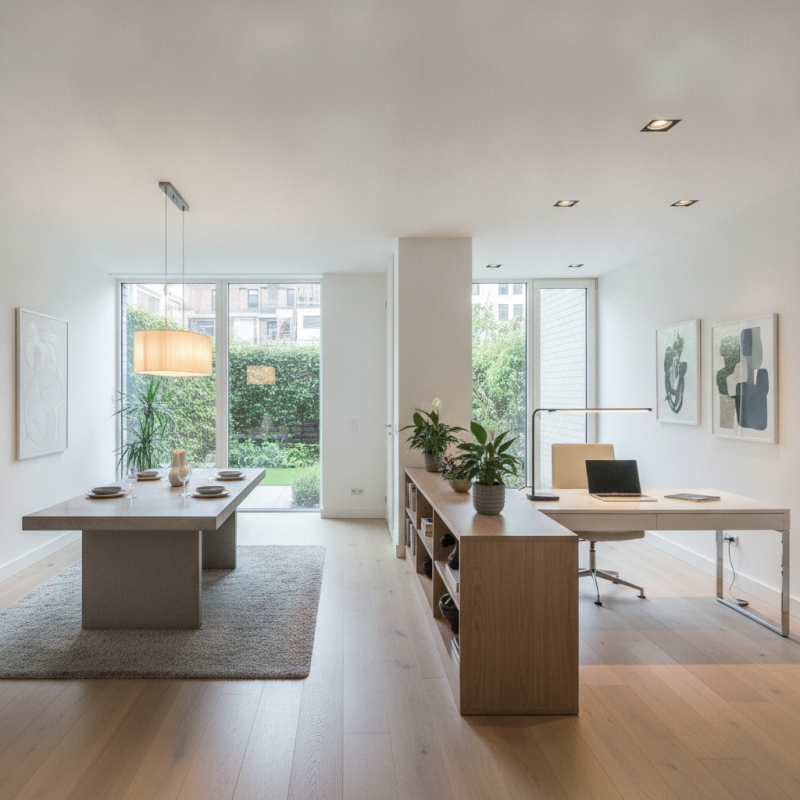

 CAPIVANA Lighting