Creating a cozy atmosphere in your home is essential for comfort and relaxation. One key element that significantly influences this ambiance is lighting. When we consider "what color lighting creates a cozy atmosphere," various studies show that warm tones, such as soft whites and yellows, can enhance feelings of warmth and safety. According to a report by the American Lighting Association, nearly 76% of homeowners believe that lighting affects their mood and overall satisfaction with their living space.
Interestingly, specific colors have distinct psychological impacts. For example, a study by the Institute of Color Research found that warm colors, particularly amber and soft oranges, create feelings of warmth and coziness. However, these preferences can be subjective, influenced by personal experiences and cultural backgrounds.
While the data highlights trends, it’s important to remember that not every warm light will feel cozy for everyone. For instance, some may find cooler tones suitable for relaxation. Therefore, exploring different color palates can lead to better results. What works for one person might not work for another. Understanding personal preferences is key to discovering "what color lighting creates a cozy atmosphere" in your home.
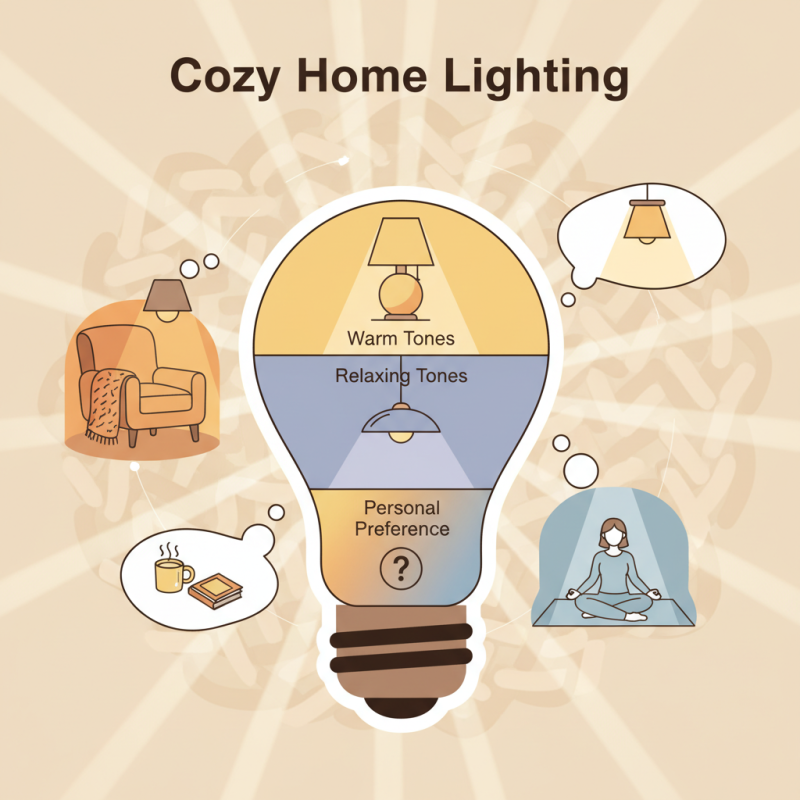
Color psychology plays a significant role in how we perceive light and ambiance in our homes. Warm tones such as amber and soft white can evoke feelings of comfort and relaxation. According to a report from the Lighting Research Center, warm lighting can enhance mood and create a welcoming atmosphere. This effect results from the way these colors interact with our emotions and memories.
Studies indicate that color temperatures below 3000K are ideal for cozy spaces. These softer lights mimic natural candlelight, fostering a sense of intimacy. Conversely, cooler temperatures can feel harsh and sterile. It's noteworthy that while these preferences hold for many, individual responses to color can vary widely. Some may find blue light soothing, while others feel it creates a sterile environment.
Creating a cozy atmosphere is not merely about color; it's about how we connect with those colors emotionally. The wrong choice can disrupt the desired ambiance. Therefore, experimenting with different shades can be crucial. Observing how each light affects your mood will lead to a more tailored, comfortable living space. Understanding your unique preferences is key in creating a home that genuinely feels like your sanctuary.
When designing a cozy atmosphere, color temperature plays a crucial role. Warm color temperatures, typically ranging from 2700K to 3000K, create a welcoming and comforting environment. These lights mimic the hues of a setting sun, promoting relaxation and comfort. According to a report from the Lighting Research Center, warm lighting can lower stress levels, making it an ideal choice for bedrooms and living spaces.
On the other hand, cool color temperatures, above 4000K, tend to energize and alert occupants. They are often used in workspaces to boost productivity. However, too much cool light at home might lead to feelings of tension, turning an inviting space into something too clinical. A recent study indicated that 70% of individuals preferred warm lighting for social gatherings and family time. Yet, decorators often overlook the balance of light in different spaces, risking discomfort.
Experimenting is essential. Not every space will respond to warm or cool light in the same way. Some find warm light too subdued in their kitchens. Others might feel cool light is harsh in their cozy reading nooks. It's about finding what truly resonates within your home. Personal preference plays a massive role, making this a subjective journey.
The right light fixtures play a crucial role in creating a cozy atmosphere at home. Warm white bulbs are ideal as they reflect a soft glow. Avoid harsh fluorescent lights that can make a space feel sterile. Instead, opt for pendant lights with dimmers. They allow for adjustable brightness, setting the perfect mood for relaxation or gathering.
Layering light fixtures adds depth to your space. Floor lamps next to a comfy chair create an inviting reading nook. Wall sconces can highlight artwork, adding personality to your walls. Don’t forget about candles; they provide a flickering ambiance that technology cannot replicate. Mixing different light sources creates a multidimensional feel that feels lived-in.
However, it’s easy to overlook the arrangement of your fixtures. Poor placement can lead to shadows and uneven lighting. This might make a room feel cold. Experiment with various setups to find what works best for you. It's a process that encourages reflection and consideration of how you use each space. Often, small adjustments can lead to a significantly cozier environment.
Creating a cozy atmosphere in your home largely revolves around the colors of your lighting. Layering warm lights can enhance comfort and create a welcoming environment. Start with soft yellows and gentle ambers. These tones mimic sunset, providing a calming effect. A well-placed warm light can make a small room feel expansive yet intimate.
Consider mixing different shades of warm lighting for depth. A dimmer switch can help adjust the brightness according to your mood. Imagine a room with amber floor lamps paired with soft yellow string lights. The effect is enchanting, yet it needs balance. Overly bright lights can disrupt the tranquil ambiance. Experiment with placement and intensity to find what works best for you.
Don’t shy away from shadows. A darker corner can add mystery and warmth when lit softly. Some areas may require extra attention, like spaces that feel too bright or sterile. Layering lighting can solve this. It’s a process of trial and error, and not every combination will achieve the desired effect. Finding the perfect blend takes time, but the results can transform your home into a true sanctuary.
| Lighting Color | Color Temperature (Kelvin) | Effect on Atmosphere | Best Use Areas |
|---|---|---|---|
| Warm White | 2700K - 3000K | Creates a welcoming and intimate environment. | Living rooms, bedrooms, and dining areas. |
| Soft Amber | 2000K - 2500K | Enhances relaxation and comfort. | Reading nooks and meditation spaces. |
| Soft White | 3000K - 3200K | Provides a balanced and cozy feel. | All-purpose areas, such as kitchens and bathrooms. |
| Candlelight | < 2000K | Creates a romantic and calm atmosphere. | Dining rooms for special occasions. |
| Daylight | 5000K - 6500K | Invigorating and energizing, less cozy. | Workspaces and areas that require focus. |
Creating a cozy atmosphere with lighting involves understanding the nuances of color and placement. Warm tones, such as soft yellows and warm whites, can evoke feelings of comfort. These shades mimic natural sunlight, wrapping your space in a gentle embrace. Consider using lamps with fabric shades that diffuse light softly. Avoid harsh overhead lighting that can create a sterile environment.
Incorporating dimmer switches is a simple yet effective way to enhance cozier vibes. This allows you to adjust the brightness according to the time of day or mood. Candles can also play a vital role. Their flickering flames provide warmth and intimacy. Group a few on a shelf or table for an inviting look. Remember to use various light sources. Layering table lamps, wall sconces, and floor lamps can help create visual interest and depth.
Be mindful of your space. Too many light sources can overwhelm. Reflect on what works best for your home. Experiment with different arrangements and colors until you find your ideal ambiance. Cozy lighting is not one-size-fits-all; it should reflect your personality and lifestyle. Embrace the imperfections and adjust until it feels just right.
: Warm tones create comfort and relaxation. They enhance mood and establish a welcoming atmosphere in homes.
Color temperatures below 3000K are ideal. They mimic natural candlelight and promote intimacy.
Responses to color can vary widely. Some may enjoy blue light, while others find it harsh.
The wrong color can disrupt the ambiance. Connecting emotionally with colors enhances the space’s comfort.
Try different shades in each room. Observe how they affect your mood and overall atmosphere.
Cooler temperatures energize occupants and can boost productivity. However, they may create a sterile environment at home.
Warm lighting is comforting and promotes relaxation during gatherings. About 70% of individuals prefer it for socializing.
Overlooking light balance can lead to discomfort. Spaces may feel too clinical or too subdued.
Yes, preferences can change. Some may find warm light too soft in kitchens, while cool light can feel harsh in cozy areas.
Consider how lighting affects your mood and interactions. Regular reassessment can help refine your comfortable living space.
Creating a cozy atmosphere in your home revolves significantly around understanding what color lighting creates a cozy atmosphere. The psychology of color in lighting plays a crucial role, with warm color temperatures typically being more inviting than cool ones. Warm hues, such as soft yellows and warm whites, can foster relaxation and comfort, making them ideal for living spaces.
Additionally, the type of light fixtures you choose can enhance this effect. Layering various warm lights can create depth and warmth, enabling you to tailor the ambiance to your preference. Practical tips for implementing cozy lighting involve strategically placing light sources, using dimmers, and incorporating candles or accent lamps. By thoughtfully combining these elements, you can transform your home into a warm and welcoming retreat.

CAPIVANA Lighting