How to Decorate a Living Room With China Best Lighting?

Time:2026-10-08 Author:Henry
0%

A living room can feel calm, warm, or strangely flat because of its lighting. The real question is not how many fixtures to buy, but how to decorate a living room with lighting that supports daily life. Chinese lighting manufacturers now offer layered products, including recessed lights, pendant lamps, wall sconces, and smart dimming systems. However, attractive design does not always guarantee reliable performance. Check color rendering, heat control, warranty terms, and electrical certifications before choosing a fixture.

The U.S. Department of Energy reports that LED bulbs use at least 75% less energy and last up to 25 times longer than incandescent bulbs. That difference matters above a sofa, where replacing a lamp can disturb the entire room. ENERGY STAR also recommends comparing brightness, color temperature, and dimmer compatibility. Small details matter. A 2700K lamp can soften wood furniture, while a 4000K source may make a relaxed room feel overly clinical. I still find many lighting guides too confident about one “perfect” layout. Rooms differ.

Lighting designer Randall Whitehead calls lighting “the jewelry of the home,” a useful reminder that fixtures should add character, not merely visibility. This guide will examine how to combine Chinese-made lighting with practical spacing, layered illumination, and balanced color. It will also question common choices, such as placing one powerful ceiling light in the center. That approach is simple, but often leaves corners dull and faces shadowed. Good lighting should look beautiful at noon, remain comfortable at night, and quietly adapt to how people actually live.
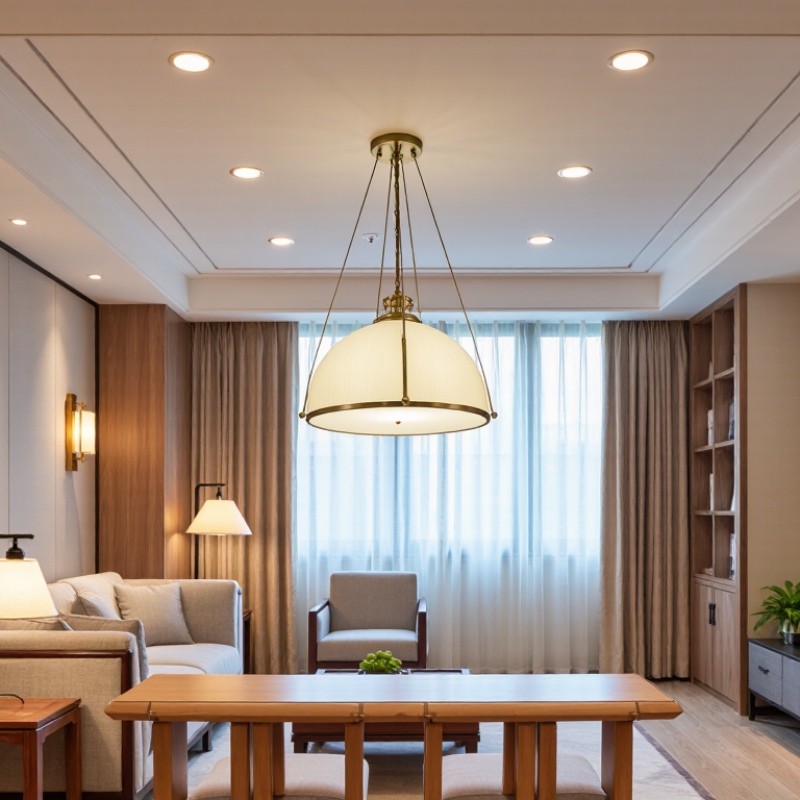
How to Decorate a Living Room With China Best Lighting?

Assess Your Living Room’s Lighting Needs and Layout

Before choosing China best lighting, assess how your living room actually works. Measure the room, ceiling height, window positions, and electrical outlets. Note where people read, watch television, talk, or walk. Daylight changes throughout the day, so observe the room in the morning and evening. I once installed a beautiful ceiling fixture near the television. The glare was distracting, and the seating layout had to change.

Use layered lighting to support each activity. Ambient lighting should fill the room gently, while floor or table lamps can serve reading corners. Wall lights may highlight artwork, but avoid placing them where reflections appear on screens. Choose adjustable brightness and a warm color temperature for relaxed evenings. For product reliability, check electrical certifications, heat management, material quality, and installation instructions. A qualified electrician should handle fixed wiring.

Tips: Sketch the furniture before selecting fixtures. Keep walking paths clear. Place switches near entrances and seating areas. Test light levels with temporary lamps first. My first layout was too bright, but that mistake revealed an overlooked corner. Leave room for adjustment. Controls that seem convenient may feel confusing later, especially for guests. Also, do not assume a larger fixture improves a small room; proportion matters more than visual drama.

Choose the Best China Lighting Fixtures for Each Function

A well-decorated living room needs different lighting for different activities. When selecting lighting fixtures made in China, begin with the room’s daily functions. A ceiling fixture can provide broad ambient light for conversations and cleaning. Choose warm white light, around 2700–3000K, for a calmer atmosphere. A floor lamp beside the sofa supports reading. Its adjustable head should direct light onto the page, not into your eyes. Small table lamps can soften dark corners.

Match each fixture to its practical demands. A pendant above a coffee table should hang high enough to protect sightlines. For artwork, adjustable spotlights create focused accents without harsh glare. Check the beam angle, dimming compatibility, and color rendering rating before purchasing. A high color rendering rating helps fabrics and wood appear more natural. In my experience, a beautiful fixture can still disappoint when its switch or cable feels flimsy.

Safety deserves equal attention. Confirm the fixture’s voltage, socket type, heat resistance, and safety certification for your region. Damp locations require an appropriate IP rating. Hire a qualified electrician for fixed wiring. I once chose a lamp with a stylish narrow shade, but it cast an uncomfortable shadow across the sofa. That mistake taught me to test light placement at night, not only judge the fixture in daylight. The room looked better after moving it just thirty centimeters. Small changes matter.

Layer Ambient, Task, and Accent Lighting Effectively

A comfortable living room needs more than one bright ceiling light. Layer ambient, task, and accent lighting to create depth and flexibility. Start with soft ambient light from a ceiling fixture, recessed lights, or wall lighting. Choose warm white light around 2700–3000K for a relaxed evening atmosphere. A dimmer helps control brightness during reading, dining, or conversation. Select products with clear safety certifications, accurate specifications, and suitable voltage information.

Keep task lighting close to activities. Place a shaded floor lamp beside a sofa for reading. Add a table lamp near a writing desk or games area. The light should fall over the page, not directly into your eyes. Adjustable heads are useful, but their switches must remain easy to reach. Small details matter.

Accent lighting gives the room character. Aim a narrow beam at artwork, textured walls, plants, or shelves. Leave some corners darker. Perfectly even lighting can feel flat. In my own layout, I initially used too many downlights and lost the room’s warmth. I later reduced their intensity and added one wall lamp. The result felt calmer, although the reading corner still needs better shadow control. Test the room after sunset, when reflective surfaces and furniture colors look different.

How to Decorate a Living Room With the Best Lighting

Recommended illuminance levels for layering ambient, task, and accent lighting in a living room

Use ambient lighting to provide comfortable overall illumination, task lighting for reading or focused activities, and accent lighting to highlight artwork, shelves, or architectural details. The ranges shown are practical residential planning targets measured in lux.

Coordinate Lighting Styles, Materials, and Room Colors

How to Decorate a Living Room With China Best Lighting?

Coordinate Lighting Styles, Materials, and Room Colors

A successful living room lighting plan begins with the room’s existing character. Observe the sofa, flooring, wall color, and natural light before choosing fixtures. A modern room often suits clean glass, brushed metal, or simple geometric shades. Traditional spaces may benefit from ceramic bases, linen shades, or warm wood details. The lighting should support the furniture, not compete with it.

Use several light sources at different heights. A ceiling fixture can provide general illumination, while a floor lamp beside the sofa creates a comfortable reading corner. Small table lamps can soften dark areas near cabinets or windows. Keep it layered. A warm color temperature usually works well with beige, cream, terracotta, and natural wood. Cooler light may suit gray, blue, or white interiors, but it can feel harsh at night.

Material coordination matters more than exact matching. Repeat one finish twice, such as brass on a ceiling light and a small lamp, then introduce contrast with fabric or wood. In my own room planning, I once matched too many metal surfaces, and the space felt flat. Not every match works. Test the light after sunset, when shadows reveal problems hidden during the day. A sample bulb can also change how green walls, red rugs, or pale furniture appear. Leave room for adjustment. Ceiling height, glare, and daily habits may challenge the original plan.

Install, Position, and Maintain Your Living Room Lights

How to Decorate a Living Room With China Best Lighting?

Install, Position, and Maintain Your Living Room Lights

Installing quality China-made lighting begins with the ceiling box, not the shopping cart. Ask a licensed electrician to inspect wiring, grounding, and load capacity before fitting new fixtures. A dimmer must match the lamp’s control system. The U.S. Department of Energy reports that LEDs use at least 75% less energy than incandescent lamps. It also reports lifespans up to 25 times longer. These figures support efficient choices, but heat control and installation quality still affect performance.

Positioning should layer light. Use overhead lighting for general visibility, a floor lamp beside a reading chair, and accent lighting near artwork. Keep bare lamps away from direct eye level. Glare makes a calm room feel harsh. The Illuminating Engineering Society commonly places reading tasks near 300–500 lux. I often choose 2700–3000K light for living rooms because it softens wood, fabric, and evening skin tones. Not just brightness.

Maintenance is where many attractive designs fail. Dust diffusers monthly with a dry microfiber cloth. Dirt can reduce output and create uneven hotspots. Inspect loose screws, flickering, and discoloration every few months. The International Energy Agency reports that lighting uses about 15% of global electricity. Replacing failed lamps with efficient equivalents therefore matters. Don’t ignore faults. I once selected a beautiful pendant that cast shadows across the sofa. Moving it 20 centimeters improved the room more than buying another lamp. That mistake still shapes my layouts.

FAQS

How should I choose lighting for different living room activities?

Use a ceiling fixture for general light, a floor lamp for reading, and table lamps for darker corners. Layered lighting works better.

What color temperature suits a calm living room?

Warm white light around 2700–3000K usually creates a comfortable evening atmosphere. Cooler light may suit gray or white interiors.

Where should a floor lamp stand?

Place it beside the sofa, with an adjustable head aimed at the page. Avoid directing light into your eyes.

How high should a pendant hang above a coffee table?

Hang it high enough to protect clear sightlines across the table. Check the height while seated, not only while standing.

What should I check before buying a fixture?

Check beam angle, dimming compatibility, color rendering, socket type, voltage, and heat resistance. Small details can prevent disappointment.

How can lighting match my room’s furniture and colors?

Observe the sofa, flooring, walls, and daylight first. Repeat one finish twice, then add contrast with fabric or wood.

How can I avoid harsh glare and uncomfortable shadows?

Test the fixture after sunset. A narrow shade once cast an awkward shadow across my sofa, and moving it thirty centimeters helped.

What safety details matter in damp areas?

Choose a suitable IP rating for damp locations. Fixed wiring should be handled by a qualified electrician.

Why is color rendering important?

A higher rating helps wood, fabrics, rugs, and wall colors appear more natural. A sample bulb may still change the room’s appearance.

Can a beautiful fixture still be a poor choice?

Yes. A weak switch, flimsy cable, excessive glare, or unsuitable height can reduce daily comfort. Appearance is not enough.

Conclusion

Learning how to decorate a living room with lighting begins with understanding the room’s size, layout, natural light, and daily activities. Start by identifying areas that need general illumination, focused light for reading or conversation, and subtle lighting for highlighting artwork or architectural details. Choose suitable lighting fixtures made in China according to each function, such as ceiling lights for broad coverage, floor or table lamps for task lighting, and wall or decorative lights for visual interest. Consider the height of the ceiling, the location of furniture, and the room’s power points before making your selections.

A successful design combines ambient, task, and accent lighting in balanced layers rather than depending on a single source. Coordinate fixture shapes, finishes, materials, and light colors with the living room’s furniture and overall color palette to create a unified atmosphere. During installation, position lights to reduce glare and unwanted shadows, and use adjustable controls when possible to change the mood. Regular cleaning, checking connections, and replacing aging components will help maintain both performance and comfort.

Henry

Henry

Henry is a dedicated marketing professional with a profound expertise in the company's offerings. With years of experience in the industry, he possesses an impressive understanding of the market dynamics and consumer behaviors that drive success. Henry is committed to sharing his insights through......