How does decorative lighting improve interior design? This question resonates deeply within the interior design community. Expert designer Jane Smith emphasizes, “Lighting is not just about visibility; it shapes our emotional experience of a space.” Decorative lighting plays a crucial role in this transformation.
It can instantly change a room's atmosphere. A well-placed pendant lamp can create warmth, while bright sconces may energize a workspace. Consider how a dramatically lit chandelier can draw attention to a dining area, enhancing both its beauty and function. However, many overlook the balance between style and practicality.
Too often, designers fixate solely on aesthetics, forgetting that lighting should also serve a purpose. Choosing the right fixture is essential, but so is selecting the correct light temperature. Cold light might work in a modern kitchen, but it lacks the coziness for a living room. In this way, understanding how does decorative lighting improve interior design becomes essential for creating harmonious spaces.
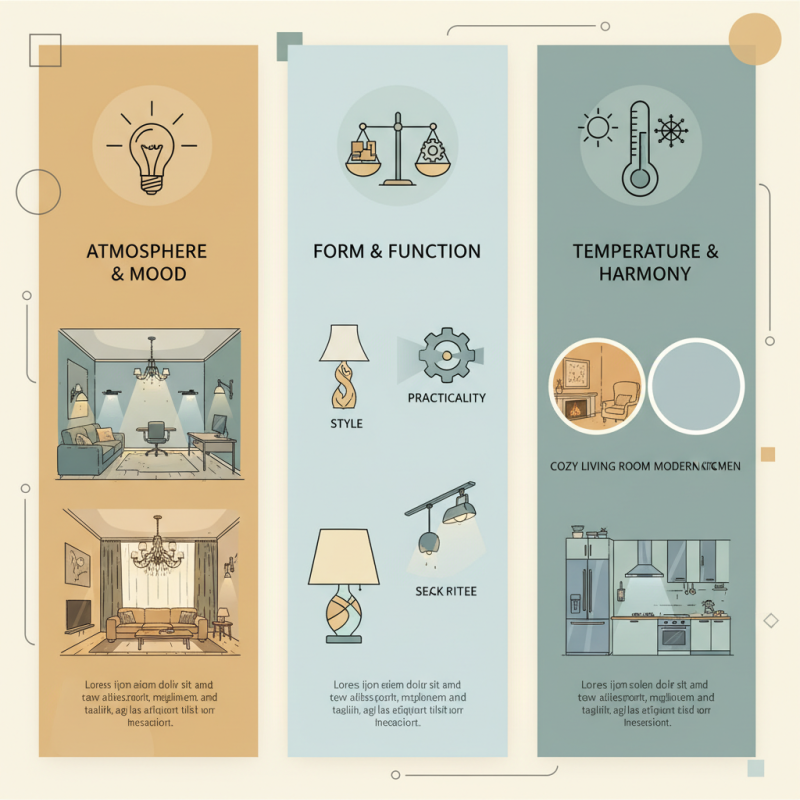
Lighting plays a crucial role in shaping the atmosphere of any interior space. Decorative lighting goes beyond mere functionality; it creates a mood, adding depth and dimension to the design. By selecting various types of fixtures—hanging pendants, wall sconces, or table lamps—one can effectively set a specific tone that resonates with the room's purpose. A well-placed chandelier can serve as a stunning focal point, drawing attention and enhancing the overall aesthetic.
Incorporating decorative lighting requires thoughtful consideration. It's essential to balance visual appeal with practicality. Too many fixtures can create a cluttered look, while too few may lead to an uninspiring environment. The interplay between light and shadow can add drama, but achieving the right balance is an art. Also, color temperature matters. Warmer tones can create comfort, while cooler tones might invigorate the space.
Choosing the right decorative lighting often involves trial and error. Not every piece will complement your design vision. Observing how light interacts with different surfaces can lead to surprising results. Remember to rethink your choices if a particular fixture fails to enhance the room. The beauty of decorative lighting lies in its ability to transform a space while encouraging us to regularly evaluate our design decisions.
: Decorative lighting enhances aesthetics in interior design. It adds character and warmth to spaces.
Chandeliers serve as focal points, adding elegance and creating an inviting atmosphere in dining areas.
Wall sconces add ambiance and highlight artwork. They occupy little space and enhance architectural features.
Lighting affects psychological well-being. Soft lights evoke comfort, while harsh lights may cause anxiety.
Layering lights adds depth and visual interest. It helps balance different lighting types for optimal effect.
Table lamps provide illumination and personality to spaces. Too many can clutter a room, so strike a balance.
Assess existing designs, identify key areas, and choose fixtures that complement your overall theme for best results.
Oversized fixtures can overwhelm small rooms. Mismatched lighting might detract from the overall design.
Warm hues are inviting while cooler tones promote focus. Experiment to find the right fit for your room.
Practicality is vital. Choose energy-efficient options and avoid overly bright or mismatched lighting to enhance design.
Decorative lighting plays a vital role in enhancing interior design by not only illuminating spaces but also creating mood and atmosphere. By exploring various types of decorative lighting, homeowners can understand how does decorative lighting improve interior design, transforming ordinary spaces into visually captivating environments. Different fixtures can significantly influence the perception of space, adding warmth, focus, or drama.
When selecting the right decorative lighting, it’s essential to consider the existing design and how these fixtures can complement or enhance the overall aesthetic. Integration tips, such as layering light and balancing intensity, help harmonize decorative lighting with current designs. Additionally, understanding the psychological effects of lighting can lead to more intentional choices that boost comfort and well-being within a home, creating an inviting ambiance that reflects personal style.

 CAPIVANA Lighting