Decorative lighting plays a significant role in home design. It serves multiple purposes beyond mere functionality. Homeowners often wonder, "what is decorative lighting used for?" This question highlights the importance of aesthetics, ambiance, and mood in interior spaces.
The right lighting can transform any room. It creates focal points on walls or artwork. Decorative fixtures such as chandeliers, wall sconces, and pendant lights can blend style with utility. They can enhance textures, colors, and shapes within a space, making it feel more inviting and personal.
However, defining decorative lighting is not always straightforward. Many homeowners struggle with balance. Too much can overwhelm a room, while too little may leave it feeling hollow. Understanding how to use decorative lighting effectively requires experience and careful thought. Ultimately, it is about enhancing the overall atmosphere while reflecting individual tastes.
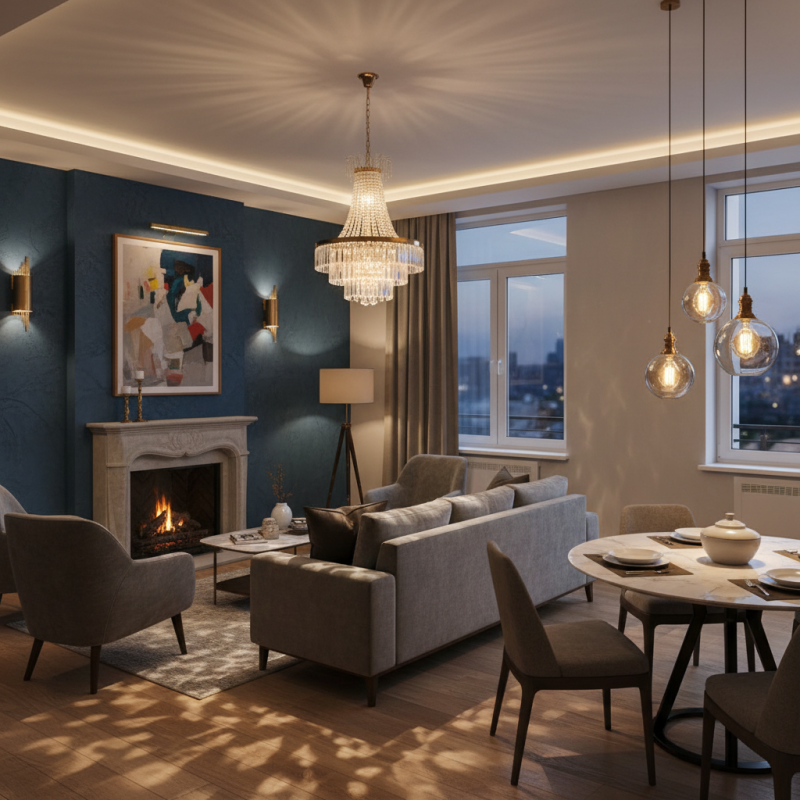
Decorative lighting plays a vital role in home design. It enhances aesthetics while providing a warm, inviting atmosphere. This type of lighting goes beyond functionality; it’s about creating a mood. Key elements include chandeliers, wall sconces, and decorative table lamps. Each piece adds character and elegance to a space.
When incorporating decorative lighting, consider the layout. Ensure the lights highlight focal points in the room. For example, a well-placed pendant light can draw attention to an art piece or a dining table. Remember, balance is essential. Too many decorative fixtures can clutter a room visually. Instead, opt for a few striking pieces that resonate with your style.
Tips for choosing decorative lighting: start with a color palette that complements your decor. Choose fixtures that share similar materials and styles. For example, metal finishes can add a sleek touch, while wood accents bring warmth. Also, think about scale—oversized lights can create a stunning impact, but don’t overwhelm small spaces. Reflect on what makes your home unique, allowing your lighting choices to tell a story.
Decorative lighting plays a crucial role in enhancing home design. In living rooms, chandeliers or pendant lights often serve as focal points. They add elegance and create ambience. Soft, warm lighting makes the space inviting. However, brightness must be balanced. Too much light can overwhelm a cozy atmosphere.
In kitchens, under-cabinet lighting is both functional and stylish. It illuminates workspaces while adding a touch of flair. Sconces or statement fixtures above dining tables can elevate the dining experience. The right lighting can promote a mood of togetherness. Yet, inadequate lighting can lead to accidents, highlighting the need for careful planning.
Bedrooms benefit from layers of decorative lighting. Wall sconces or bedside lamps provide convenient illumination. They can balance brightness and intimacy. Choosing dimmer switches allows for control over the light's intensity. However, many forget to consider where shadows fall. This can impact the room's overall comfort and usability. Adapting decorative lighting to fit each room's purpose is key to successful home design.
Decorative lighting plays a vital role in home design. It enhances the ambiance by creating a warm and inviting atmosphere. The right fixtures can transform a dull room into a vibrant space. For instance, pendant lights over a dining table create intimacy during meals. These light sources highlight architectural features and artwork, drawing attention where it matters.
Using decorative lighting also adds layers to your design. Soft, warm lights can make a space feel cozy. Bright, focused lights can energize a room. Mixing different types, such as chandeliers and wall sconces, can make a room dynamic. However, balancing the intensity is key. Too much light can feel overwhelming, while too little may fall flat.
Consider how your lighting choices align with your home's style. You might love a minimalist vibe, yet choose fixtures that are too ornate. This mismatch can disrupt the flow of your space. Reflecting on these choices can lead to a more cohesive design. Ultimately, decorative lighting elevates your home's personality while enhancing its beauty.
Decorative lighting plays a vital role in home design. It creates ambiance and highlights architectural features. When choosing decorative lighting fixtures, homeowners should consider both functionality and aesthetics. As reported by the American Lighting Association, nearly 60% of consumers feel lighting affects their mood and comfort level at home.
Selecting the right fixture involves various factors. Think about the space size. For larger rooms, bold fixtures can make a statement. In smaller spaces, choose compact designs that do not overwhelm. Color temperature matters, too. A warm hue can create a cozy atmosphere, while a cooler light may enhance focus in a workspace.
Proper placement of lighting fixtures is crucial. Overhead lights can offer general illumination, but accent lighting brings attention to artwork or a unique architectural element. The balance between these types is essential. Rely on personal preferences while considering professional advice for the best results. Remember, finding the right balance between style and functionality can be challenging, yet rewarding in transforming any space.
Decorative lighting plays a vital role in enhancing the aesthetic appeal of home design. It adds character, depth, and warmth to spaces. Integrating decorative lighting with functional lighting elements can create a balanced atmosphere. Spaces need both types of lighting to serve distinct purposes.
When you choose decorative fixtures, think about how they compliment practical lighting. A statement chandelier can provide ambiance while recessed lights offer essential illumination. Layering these types adds richness to the design. For example, pendant lights over a kitchen island not only enhance functionality but also draw attention. This approach creates a cohesive look.
**Tip:** Ensure that decorative lighting does not overshadow functional elements. Select shapes and sizes that are well-proportioned to the room. **Tip:** Mix different styles of lamps and fixtures. This adds interest and helps define space. Consider placing a sculptural floor lamp next to a conventional sofa to blend the old and new. Trust your instincts; the balance can be subjective and personal. Always assess the mood you want to create.
: Decorative lighting enhances aesthetics and creates a warm, inviting atmosphere in home design.
It transforms dull spaces into vibrant ones, adding intimacy and highlighting architectural features.
Common choices include chandeliers, wall sconces, and decorative table lamps for elegance and character.
Start with a complementary color palette and select fixtures with similar materials and styles.
Balance prevents visual clutter. A few striking pieces are often more impactful than many small ones.
Use under-cabinet lights in kitchens for safety and flair, and consider layering lights in bedrooms.
Think about each room's purpose and how shadows may affect comfort and usability.
Yes, unique lighting choices can reflect your style and make your home feel personal.
Installing dimmer switches offers control over light brightness for various moods and occasions.
An ornate fixture in a minimalist space can disrupt the flow, making your design feel incohesive.
Decorative lighting plays a vital role in home design by enhancing both aesthetics and ambiance. So, what is decorative lighting used for? It is primarily utilized to create a specific atmosphere in various rooms, serving both functional and artistic purposes. Different types of decorative lighting fixtures, such as chandeliers, sconces, and pendant lights, can be strategically placed to complement the design of each space, highlighting key areas and adding visual interest.
To effectively integrate decorative lighting with functional lighting elements, one can use tips such as considering the scale of fixtures in relation to the room size and choosing styles that align with the overall décor theme. By understanding the relationship between decorative and functional lighting, homeowners can achieve a harmonious balance that not only beautifies their living spaces but also enhances their everyday experiences.

CAPIVANA Lighting