Can Decorative Lighting Save Energy for Global Buyers?

Time:2026-06-19 Author:Madeline
0%

As the world grapples with the pressing need for energy efficiency, the question arises: can decorative lighting save energy? Industry expert Dr. Emily Sanders, a leading authority in sustainable design, asserts, "Incorporating decorative lighting can significantly reduce energy consumption when done thoughtfully." This insight reflects a growing trend among global buyers toward integrating aesthetic appeal with energy efficacy.

Recent advancements in LED technology have transformed decorative lighting into an energy-efficient solution. Many think decorative lighting is purely for aesthetic purposes. However, it can enhance ambiance without relentless energy waste. The challenge lies in selecting the right fixtures and understanding usage patterns. For instance, dimmable lights may provide the desired flair while conserving power.

There is an inherent complexity in this balance of form and function. Some decorative lighting options may still consume excess energy without due consideration. As buyers navigate this landscape, the question remains critical: can decorative lighting save energy effectively? Exploring this avenue demands a reevaluation of choices and priorities in design, pushing for solutions that blend beauty with responsibility.
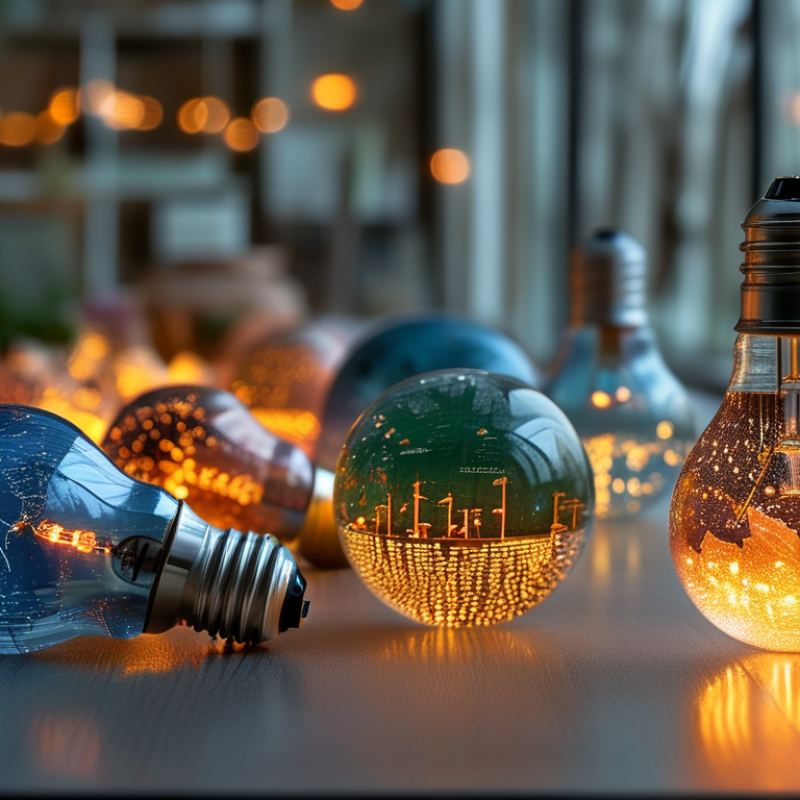
Can Decorative Lighting Save Energy for Global Buyers?

The Role of Decorative Lighting in Energy Efficiency

Decorative lighting is more than just aesthetics; it plays a crucial role in energy efficiency. According to the International Energy Agency (IEA), lighting accounts for about 15% of global electricity consumption. Therefore, improving lighting efficiency can lead to significant energy savings. Decorative fixtures, especially those using LED technology, offer an eco-friendly alternative. LEDs consume up to 75% less energy than traditional incandescent bulbs and last up to 25 times longer.

Additionally, a report from the U.S. Department of Energy indicates that energy-efficient lighting can reduce greenhouse gas emissions. In urban areas, cities implementing smart decorative lighting can save approximately 50% on energy costs. This reduction not only helps the environment but also lowers utility bills for consumers. However, the initial investment in decorative lighting can be a barrier for some.

Many still rely on outdated lighting solutions, leading to missed opportunities for savings. Awareness of energy-efficient options remains low in certain demographics. The hidden costs of not upgrading can outweigh the short-term savings of sticking with conventional lighting. As decorative lighting evolves, it is essential for consumers to recognize its potential for energy efficiency.

Energy Savings with Decorative Lighting

Types of Decorative Lighting and Their Energy Consumption

Decorative lighting is more than just aesthetics. Different types can have varied energy impacts. For instance, LED fixtures are often seen as the best choice. They consume less power compared to traditional incandescent bulbs. Their longevity adds to energy savings, as they last longer and reduce replacement costs.

However, not all decorative lights provide the same efficiency. Some options, like neon lights or certain halogen fixtures, can consume a significant amount of energy. Homeowners may be drawn to their vibrant colors and unique designs, but the trade-off is notable. It's essential to weigh the initial visual appeal against long-term energy costs.

Choosing energy-efficient decorative lighting requires careful consideration. The design should harmonize with the room while being mindful of its energy consumption. While LEDs shine in energy efficiency, other decorative options may call for deeper reflection on overall consumption. Finding the balance can be challenging, but it is crucial for sustainable design.

Technological Advances in Energy-Saving Decorative Lighting

The decorative lighting market is evolving rapidly. Recent technological advances have brought forth energy-saving options. Industry reports indicate that smart LED lights can reduce energy consumption by up to 80% compared to traditional bulbs. These advancements not only create beautiful environments but also promote sustainability.

Despite these benefits, challenges remain. Many consumers are unaware of the energy efficiency potential of modern decorative lighting. A survey revealed that more than 60% of buyers still rely on outdated lighting solutions. Raising awareness about these new technologies is critical for driving change and fostering responsible consumption patterns.

Furthermore, the initial cost of energy-saving lighting can deter some buyers. Many perceive LEDs as a luxury rather than a necessity. However, studies show that long-term savings often outweigh upfront expenses. Lighting accounts for a significant portion of energy use in households, making energy-efficient choices a smart investment. Addressing these misconceptions is vital for maximizing energy savings on a global scale.

Cost-Benefit Analysis of Energy-Efficient Decorative Lighting

Decorative lighting may seem like a luxury, but it can be a smart energy-saving choice. Many buyers overlook the cost-benefit analysis of energy-efficient lighting solutions. For instance, LED bulbs consume significantly less power than traditional incandescent bulbs. They also have a longer lifespan, which means fewer replacements. This can lead to savings on both energy bills and maintenance costs.

However, not all decorative lighting options are created equal. Some might appear visually appealing but waste energy. It’s essential to examine the energy ratings before making a purchase. The initial cost of energy-efficient lighting can be higher, yet its longevity often offsets the expense. Buyers should weigh these factors carefully. A thorough understanding of energy consumption is key to making informed decisions.

Energy-efficient decorative lighting can enhance a space while reducing emissions. It also contributes to a greener environment. Yet, misleading marketing can lead to confusion. Consumers must remain vigilant. Balancing aesthetics with energy efficiency requires thoughtful consideration. Investing in quality products can yield long-term rewards, but awareness is crucial.

Global Trends in Consumer Preferences for Sustainable Lighting Solutions

Sustainable lighting solutions are increasingly valuable in the consumer market. A recent report by MarketsandMarkets indicates that the global decorative lighting market is projected to reach $170 billion by 2026, emphasizing a shift towards energy-efficient options. This trend reflects a growing awareness among consumers regarding energy consumption and environmental impact.

Many buyers now prioritize products that enhance energy efficiency. LED lights, for instance, consume up to 75% less energy than traditional bulbs. Such statistics illustrate the significant cost savings over time. As the demand for sustainable solutions rises, manufacturers are responding with innovative designs that don’t compromise aesthetics for efficiency.

Tips: When shopping for decorative lighting, look for Energy Star certifications. These products meet strict energy efficiency guidelines. Also, consider smart lighting systems. They can adapt to your habits and reduce energy use further. Sustainable lighting not only benefits the planet but also enhances your living space.

As consumer preferences evolve, it’s crucial to reflect on what sustainability means in the context of our lifestyles. Too often, the focus remains solely on aesthetics. Striking a balance between style and energy efficiency is vital for making informed choices about home decor.

Can Decorative Lighting Save Energy for Global Buyers? - Global Trends in Consumer Preferences for Sustainable Lighting Solutions

Region Percentage of Consumers Preferring Decorative Lighting Adoption Rate of LED Decorative Lighting (%) Average Energy Savings per Year (kWh) Satisfaction Rate with Sustainable Options (%)
North America 68% 55% 200 80%
Europe 75% 62% 250 85%
Asia Pacific 60% 45% 150 75%
Latin America 65% 50% 180 78%
Middle East & Africa 55% 40% 120 70%

FAQS

: What is the main benefit of LED decorative lighting?

: LED lights consume less power and last longer, leading to energy savings.

Are all decorative lights energy-efficient?

No, some like neon or halogen lights can use a lot of energy despite their appeal.

How should one choose decorative lighting?

Consider both aesthetics and energy consumption to make a balanced choice.

Why is cost-benefit analysis important for lighting choices?

It helps weigh initial costs against long-term savings on energy bills and replacements.

Can energy-efficient lighting reduce environmental impact?

Yes, it lowers emissions and contributes to a greener environment.

Is initial cost always higher for energy-efficient lighting?

Often yes, but longevity can offset the initial expense over time.

Can misleading marketing affect lighting choices?

Yes, consumers should be cautious of marketing claims to avoid confusion.

What should be examined before buying decorative lights?

Check the energy ratings to ensure efficiency and avoid wasting energy.

How can decorative lighting enhance a space?

It adds visual appeal while, ideally, being mindful of energy efficiency.

What’s a common challenge when selecting decorative lighting?

Balancing aesthetics with energy efficiency requires thoughtful consideration.

Conclusion

The article titled "Can Decorative Lighting Save Energy for Global Buyers?" explores the significant role decorative lighting can play in enhancing energy efficiency. It delves into various types of decorative lighting and their energy consumption, highlighting how advancements in technology have led to more energy-saving solutions. A comprehensive cost-benefit analysis shows that investing in energy-efficient decorative lighting can yield long-term savings for consumers while also contributing to environmental sustainability.

Furthermore, the article discusses global trends in consumer preferences, revealing an increasing demand for sustainable lighting solutions. As buyers become more conscious of their energy consumption, the question arises: can decorative lighting save energy? The answer appears to be affirmative, as decorative lighting not only enhances aesthetic appeal but also offers practical energy-saving benefits, appealing to a growing market of environmentally aware consumers.

Madeline

Madeline

Madeline is a dedicated marketing professional with a wealth of expertise in our company's core offerings. With a keen understanding of the industry, she brings a unique perspective to her role, consistently delivering high-quality content that highlights the superior aspects of our products. As......