What is decorative lighting used for? It shapes atmosphere, highlights architecture, and gives ordinary rooms a recognizable identity. A pendant above a dining table can create intimacy. Wall sconces can soften a hallway. A glowing sign can make a retail display easier to remember. Decorative lighting is not only visual decoration. It also supports orientation, comfort, and emotional connection.
The U.S. Department of Energy reports that LED products use at least 75% less energy and last up to 25 times longer than incandescent lighting. This makes efficient decorative fixtures valuable in homes, hotels, restaurants, and commercial spaces. The report also suggests that lighting performance depends on product selection and operating conditions. A beautiful fixture can still create glare, shadows, or unnecessary energy use. That uncomfortable detail deserves attention.
Lighting designer and author Randall Whitehead describes decorative lighting as “the jewelry of the room.” His comparison explains its visual role, but the function goes further. Decorative fixtures can frame artwork, define seating zones, and guide movement through a space. They can make a low ceiling feel more intentional. They can also expose poor planning when brightness, color temperature, and fixture scale conflict. This guide examines what is decorative lighting used for, including its main applications, practical benefits, design limits, and energy considerations. The evidence draws on professional lighting guidance, including U.S. Department of Energy energy-efficiency data and established interior-lighting practice.
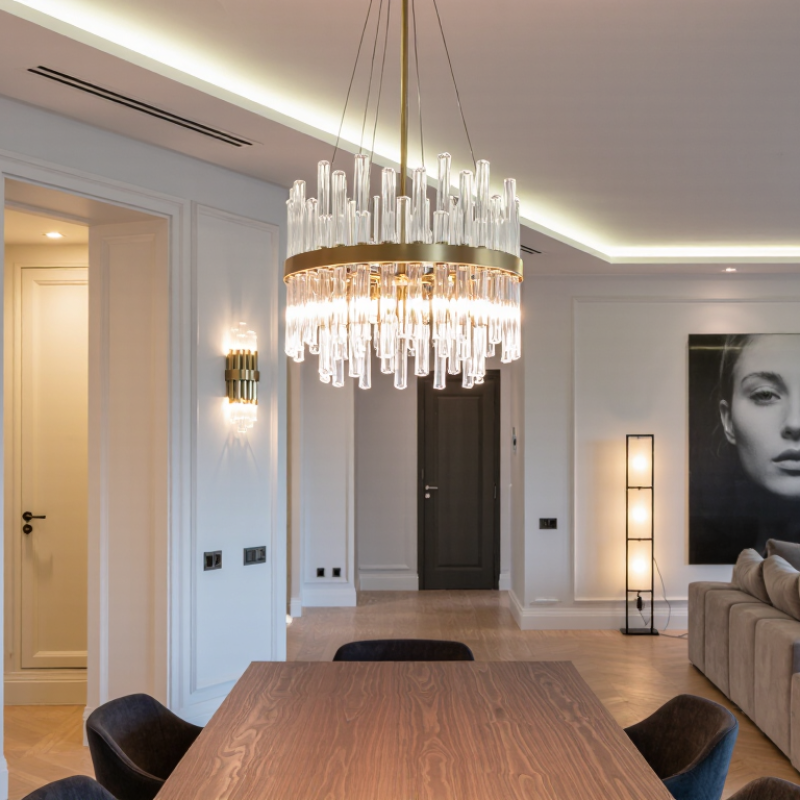
Decorative lighting shapes atmosphere, visual identity, and attention. It is not only a source of illumination. Common forms include pendant fixtures, wall sconces, table lamps, cove strips, and illuminated art. Its core characteristics include visible design, controlled brightness, color quality, material texture, and deliberate placement. A ribbed glass pendant can soften a dining table. A warm wall wash can make a narrow hallway feel deeper.
Energy performance still matters. The U.S. Department of Energy reports that LED products use at least 75% less energy than incandescent lighting. They can also last up to 25 times longer, according to its Energy Saver guidance. The International Energy Agency has estimated that lighting represents roughly 15% of global electricity consumption. These figures explain why decorative fixtures increasingly use efficient LED sources, dimming controls, and occupancy sensors.
In practice, decorative lighting works best when it supports the room’s purpose. A restaurant may use low, warm light to slow the dining experience. A hotel lobby may combine pendant clusters with concealed wall lighting. Yet attractive design can create glare, shadows, or visual clutter when placed carelessly. This is often overlooked. I have found that a beautiful fixture still fails if its brightness ignores eye level, surface reflection, or maintenance access. Good decorative lighting balances emotion with measurable comfort.
Decorative lighting shapes how people read an interior or exterior space. Indoors, designers use layered light: soft ambient glow, focused accent beams, and practical task lighting. A pendant above a dining table can create intimacy, while concealed strips under shelves add depth without visual clutter. Warm color temperatures, usually between 2700K and 3000K, make wood and fabric feel inviting. Narrow beams highlight artwork, stone, or architectural edges. Dimmers matter because one fixed brightness rarely suits every activity.
Outdoors, decorative lighting guides movement and gives buildings a stronger nighttime identity. Low-level fixtures can mark steps and pathways, while wall grazing reveals brick, texture, or planting. Proper shielding reduces glare into windows and limits disturbance to neighbors and wildlife. CIE 150:2017 provides professional guidance for controlling obtrusive outdoor light. The U.S. Department of Energy’s Energy Saver data reports that LED sources use at least 75% less energy and last up to 25 times longer than incandescent lamps. That supports lower maintenance in difficult locations.
Still, decorative lighting is not automatically sustainable. Too many bright fittings can flatten a façade, waste energy, and weaken the night environment. A practical review should check beam angle, color rendering, dimming, weather protection, and access for repairs. Small errors remain common. A pathway may look elegant in a rendering but feel harsh at eye level. Testing one fixture after sunset often reveals more than a perfect plan.
Decorative Lighting: Top Uses and Benefits
Decorative lighting shapes atmosphere, highlights architecture, and makes ordinary spaces feel intentional. In homes, pendant lights over dining tables create a visual focus. Wall sconces add warmth beside mirrors, beds, or narrow hallways. Under-cabinet lighting can also make kitchen tasks easier without creating harsh shadows.
In hotels, restaurants, and retail spaces, decorative fixtures guide attention toward entrances, counters, artwork, or product displays. Offices can use soft accent lighting to reduce a sterile appearance, although glare remains a common mistake. Outdoor settings benefit from illuminated pathways, garden features, and building entrances. Good placement improves orientation and perceived security. The U.S. Department of Energy reports that LED lighting uses at least 75% less energy and lasts up to 25 times longer than incandescent lighting. That matters when decorative fixtures operate for long hours. The International Energy Agency also identifies efficient lighting as an important energy-saving opportunity worldwide.
Tips: Layer light sources.
Use ambient, task, and accent lighting together. Choose warm light for lounges and dining areas. Use brighter, cooler light where concentration matters. Dimming controls can reduce energy use and improve comfort. In practice, more sparkle is not always better. Overlighting can flatten textures, disturb sleep, and waste electricity. Decorative lighting should support the setting, not compete with it. Check color rendering before purchase, because attractive brightness can still make surfaces look dull.
Decorative lighting shapes how a room feels before anyone notices the furniture. A warm pendant above a dining table can soften evening conversations and make simple meals feel more inviting. Wall lights can create gentle layers, while a small table lamp adds comfort beside a reading chair. In my experience, light placed near eye level often feels calmer than a bright ceiling fixture. It is not only decoration. It controls mood, visual focus, and the perceived size of a space.
Good lighting also supports design and daily function. A sculptural fixture can become a room’s focal point, especially above an entry table or kitchen island. Repeated finishes and balanced spacing help connect different areas. However, attractive lighting can still produce harsh glare or dark corners. I once chose a beautiful lamp that looked wrong at night. The shade blocked too much light. That mistake taught me to judge fixtures in real use, not only in photographs. Adjustable brightness and warmer color temperatures can improve comfort during quiet evenings.
Tips: Test the light after sunset. Check reflections on screens and polished surfaces. Keep switches easy to reach. Use layered lighting instead of one powerful source. For reading areas, aim the beam toward the page, not your eyes. Leave room for adjustment, because perfect placement is rarely achieved on the first attempt.
Choosing decorative lighting starts with the room’s real purpose, not the fixture’s appearance. In a reading corner, direct light toward the page and avoid reflections on glossy paper. Dining areas often benefit from softer illumination that supports conversation. Wall washers can reveal texture without flattening it. Measure ceiling height, furniture scale, and viewing angles before ordering. A dramatic pendant may look elegant online, yet feel oversized above a narrow table. I have made that mistake in small spaces.
Match brightness to the intended use. Layer ambient, task, and accent lighting instead of forcing one fitting to do everything. Choose a dimmable source with a suitable color temperature. Warm white often suits bedrooms, while neutral white can support kitchens and work areas. Check CRI, glare control, beam angle, and replacement access. Wet or dusty locations need an appropriate enclosure rating. The U.S. Department of Energy reports that LEDs use at least 75% less energy and last up to 25 times longer than incandescent lamps.
Controls also deserve attention. Occupancy sensors, timers, and scene settings can prevent decorative lighting from wasting electricity. The International Energy Agency reports that lighting uses about 15% of global electricity. Small choices scale quickly. For hospitality or retail spaces, test samples at night. Inspect skin tones, product colors, shadows, and glare. Mock-ups expose problems drawings miss. I still question whether maximum brightness improves every room; often, it only reveals imperfections. Ask a qualified electrician to verify load, wiring, heat, and local requirements before installation.
Decorative lighting adds atmosphere, identity, and visual focus to a space. It also provides useful illumination. Common forms include pendant lights, wall sconces, table lamps, concealed strips, and illuminated artwork.
It helps define moods, highlight materials, and guide attention. A warm wall wash can make a narrow hallway feel deeper. A pendant light can make a dining table feel more intimate.
Indoor schemes often combine ambient, accent, and task lighting. Soft light fills the room. Focused beams highlight artwork or stone. Practical lighting supports reading, cooking, or working.
Warm light between 2700K and 3000K usually suits wood, fabric, and dining areas. It feels welcoming. However, preferences differ. Testing the actual finish is wiser than trusting a specification alone.
One brightness level rarely suits every activity. Dimmers can shift a room from bright preparation to relaxed evening use. They also reduce unnecessary energy use. Controls can still feel confusing if poorly placed.
Low-level fixtures can mark steps and pathways. Wall grazing can reveal brick, planting, or surface texture. Outdoor lighting also gives a building a stronger nighttime identity. Avoid aiming bright light directly into nearby windows.
Efficient LED sources can use at least 75% less energy than incandescent lamps. They may also last up to 25 times longer. Lower maintenance helps in high ceilings and difficult outdoor locations. Efficient does not mean unlimited.
Choose suitable beam angles, shielding, and mounting heights. Check reflections on glass, polished stone, and glossy furniture. A pathway may look elegant in a drawing but harsh at eye level. Test one fixture after sunset. That small test matters.
Too many bright fittings can create glare, shadows, visual clutter, and wasted energy. Outdoor light may also disturb neighbors or wildlife. Review weather protection, color quality, dimming, and repair access. A beautiful fixture can still fail.
Decorative lighting is designed to enhance the visual appeal, mood, and character of an interior or exterior space. Unlike lighting used only for basic visibility, it combines illumination with artistic form, color, texture, and placement. What is decorative lighting used for? It can create focal points, highlight architectural features, improve the atmosphere of a room, and add warmth or personality to homes, offices, hospitality areas, gardens, and outdoor gathering spaces. It may appear as pendant fixtures, wall lights, table lamps, accent lighting, string lights, or other visually distinctive designs.
In interior spaces, decorative lighting supports relaxation, social interaction, and overall design harmony. Outdoors, it can define pathways, emphasize landscaping, and make patios or entrances feel more welcoming. When selecting decorative lighting, consider the purpose, location, desired brightness, color temperature, size, materials, energy use, installation requirements, and maintenance needs. The best choice balances style, comfort, functionality, and the character of the surrounding environment.

CAPIVANA Lighting