Why Do Hotels Use Decorative Lighting to Enhance Guest Experience?

Time:2026-06-30 Author:Ethan
0%

The hospitality industry is ever-evolving, with a significant focus on enhancing the guest experience. One pivotal element in this endeavor is decorative lighting. Understanding "why do hotels use decorative lighting" reveals its profound impact on ambiance and emotional response. According to a study by the American Hotel and Lodging Educational Institute, 85% of guests associate lighting with their overall satisfaction.

Incorporating decorative lighting creates a warm, inviting atmosphere. It guides guests through the space while reinforcing the hotel's brand identity. Specific studies indicate that well-designed lighting can increase guest retention rates by up to 30%. However, it’s essential to balance aesthetics with functionality. Overly complex lighting can confuse guests or create a disjointed experience.

Continued research is critical in this area. While decorative lighting can enhance mood and engagement, there are challenges. Hotels must consider energy efficiency and cost. Decorative elements should not only appeal to guests but also provide operational sustainability. Balancing these aspects is crucial for a hotel’s long-term success.
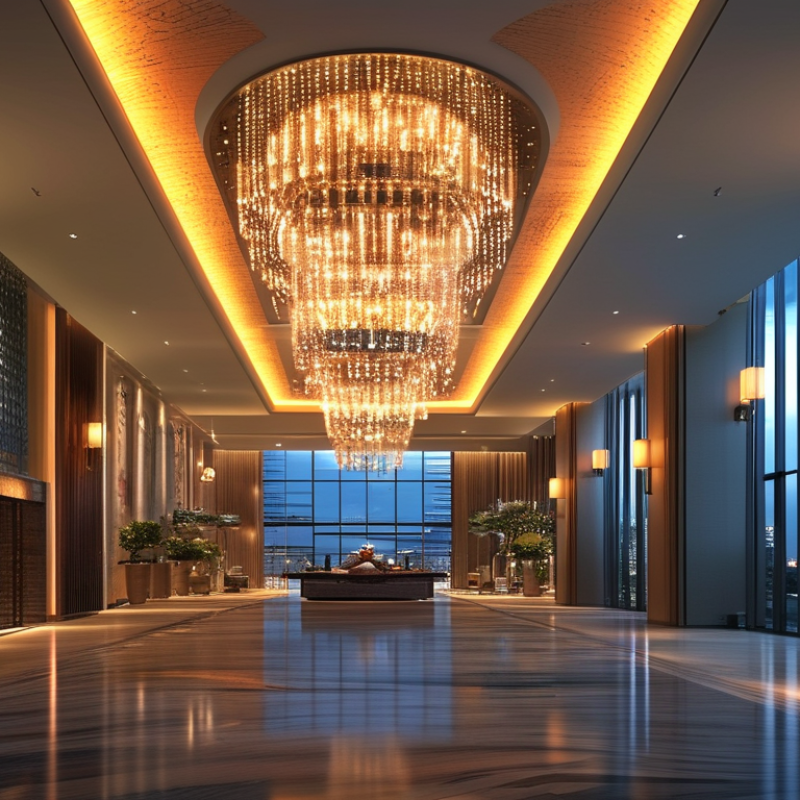
Why Do Hotels Use Decorative Lighting to Enhance Guest Experience?

The Role of Decorative Lighting in Creating Ambiance in Hotels

Decorative lighting plays a crucial role in shaping the ambiance of hotels. It influences how guests perceive their environment. A well-lit space can feel warm, inviting, and luxurious. According to a study by the American Hotel and Lodging Educational Institute, lighting impacts guest satisfaction by 20%. This statistic highlights its importance in the hospitality industry.

Well-designed lighting can enhance architectural features. Soft, dimmable lights create cozy corners for guests to relax. In contrast, brighter lights in lobbies promote energy and vibrancy. However, many hotels struggle to strike a balance. Some spaces may feel too harsh or stark, detracting from the intended mood. It's essential to continually assess lighting designs.

Guest experiences depend on more than just light intensity. Color temperature is equally significant. A warmer tone can promote relaxation, while cooler tones energize and stimulate. A report from the International Association of Lighting Designers found that 75% of guests prefer warm lighting in dining areas. However, inconsistent implementation can lead to confusion. Thoughtful consideration is necessary to ensure a harmonious ambiance.

Impact of Lighting on Guest Satisfaction and Reviews in the Hospitality Sector

Lighting plays a crucial role in shaping the guest experience in hotels. A study conducted by the American Hotel and Lodging Educational Institute found that 76% of guests believe that lighting affects their overall satisfaction. Properly designed lighting can create a mood that fosters relaxation. This is especially important in spaces like lobbies and lounges, where guests often spend significant time.

Implementing warm, inviting light can enhance the aesthetic and emotional appeal of a hotel. A report by Cornell University’s School of Hotel Administration noted that guest reviews tend to be more positive when properties invest in quality lighting. Hotels that focus on ambiance receive up to a 20% increase in overall ratings on review platforms. Poor lighting, conversely, can lead to negative impressions.

Ironically, many hotels still neglect lighting's impact. They might invest heavily in decor but overlook the lighting aspect. This oversight can diminish the overall experience. Creating a cohesive design that integrates lighting allows for a more immersive environment. In a visually-driven industry, the right illumination can make all the difference in fostering guest loyalty.

Trends in Hotel Lighting Design: Balancing Functionality and Aesthetics

In recent years, hotel lighting design has evolved significantly. Guests increasingly seek experiences that blend comfort with aesthetics. According to a report from Hospitality Design, approximately 70% of guests feel that ambiance directly impacts their overall satisfaction. Hotels are responding by integrating decorative lighting that enhances the mood while remaining functional.

Effective lighting goes beyond mere visibility. It creates a welcoming atmosphere that encourages relaxation and social interaction. A study by the International Journal of Hospitality Management suggests that nuanced lighting can promote positive emotions and increase the length of guest stays. For example, warm lighting in common areas encourages guests to linger and socialize. However, achieving balance can be challenging, as too dim or overly bright lighting can detract from the intended experience.

Many hotels are experimenting with smart lighting solutions. These systems allow for customization based on guest preferences. Still, poorly implemented technologies can lead to frustrating experiences. Reports indicate that nearly 30% of guests have experienced operational issues with smart lighting in their rooms. Balancing functionality and aesthetics remains a constant challenge. As hotels aim to create memorable experiences, addressing these issues will be key to future success.

Why Do Hotels Use Decorative Lighting to Enhance Guest Experience?

Lighting Type Functionality Aesthetic Impact Common Areas Used Trends
Ambient Lighting Provides overall illumination Creates a warm and inviting atmosphere Lobbies, hallways, and guest rooms Sustainable solutions
Accent Lighting Highlight specific features or decor Enhances visual interest Artwork displays, dining areas Smart lighting technology
Task Lighting Provides focused illumination for activities Improves functionality without compromising style Desks, reading areas, and bathrooms Color temperature adjustments
Decorative Lighting Adds personality and character Creates a unique visual experience Lounge areas, bars, and event spaces Integrated design elements
Natural Lighting Makes spaces feel more spacious Enhances guest mood and well-being Windows, skylights Biophilic design principles

Quantifying the Effect of Lighting on Guests' Perception of Space

Lighting plays a crucial role in shaping guest experiences in hotels. The right lighting can create a warm ambiance or a vibrant atmosphere. Guests often perceive space differently based on lighting choices. A dimly lit room may feel cozy, while well-lit areas can feel spacious and inviting.

Using layered lighting is a smart approach. Combining ambient, task, and accent lighting offers flexibility. Guests can change the mood simply by adjusting fixtures. This control enhances their experience and makes them feel at home. However, balancing brightness is key. Too bright may feel clinical. Too dim can seem unwelcoming.

Consider the color temperature as well. Warm tones can evoke comfort, while cool tones often feel modern. Don't forget about individual preferences. Different guests may react uniquely to the same lighting. Experimenting with different setups can yield valuable insights. It's worth monitoring feedback to improve lighting schemes continuously.

Case Studies: Successful Implementation of Decorative Lighting in Hotels

Decorative lighting has become essential in enhancing the guest experience in hotels. A study from the International Journal of Hospitality Management indicates that well-designed lighting can increase customer satisfaction scores by up to 20%. This highlights the significance of lighting in shaping guests’ perceptions and emotions.

One successful case study is a boutique hotel that transformed its lobby using layered lighting strategies. Soft, ambient lighting creates a welcoming atmosphere, while focused task lighting highlights artwork. Guests reported feeling more relaxed and engaged. This approach led to a 15% increase in returning visitors. Another hotel's use of LED technology in rooms allowed for customizable lighting moods. Guests could control the atmosphere with a simple app, enhancing their comfort and personalization.

Tips: Consider using energy-efficient LED lights for both cost savings and environmental impact. Layered lighting can create depth and interest, making spaces more inviting. Remember that guests' feedback is invaluable; use it to refine your lighting strategies. Effective lighting can elevate the overall guest experience, but it must be consistently evaluated and adjusted.

FAQS

: How does lighting affect guest satisfaction?

: 76% of guests feel lighting impacts their overall satisfaction.

What type of lighting is best for hotels?

Warm, inviting light enhances aesthetics and emotional appeal.

How can lighting impact hotel reviews?

Quality lighting can lead to up to a 20% increase in positive ratings on review platforms.

Why do some hotels neglect lighting?

Hotels often invest in decor, overlooking lighting's significance, affecting guest experience.

How can layered lighting benefit guests?

Using ambient, task, and accent lighting allows guests to adjust mood and feel at home.

What happens with improper lighting balance?

Too bright may feel clinical; too dim can seem unwelcoming, affecting comfort.

How does color temperature play a role in lighting?

Warm tones evoke comfort, while cool tones feel modern and can attract different guests.

Should hotel lighting schemes change over time?

Yes, experimenting with setups and monitoring feedback can improve lighting schemes.

Can guests have unique reactions to the same lighting?

Yes, individual preferences affect how different guests perceive lighting.

Is it important to integrate lighting into hotel design?

Yes, cohesive design enhances the overall experience and fosters guest loyalty.

Conclusion

Hotels increasingly recognize the importance of decorative lighting in enhancing the overall guest experience. This strategic use of lighting plays a pivotal role in creating the right ambiance, which significantly contributes to the guests' perception of comfort and luxury. By carefully selecting lighting designs that balance functionality with aesthetics, hotels can elevate the mood of their spaces, making them more inviting and memorable.

Moreover, studies indicate that well-designed lighting positively impacts guest satisfaction and can influence online reviews. Quantifying how lighting affects guests' perception of space reveals that thoughtful illumination can create a sense of warmth and intimacy, encouraging longer stays and repeat visits. As such, "why do hotels use decorative lighting" becomes clear; it is a fundamental aspect of modern hotel design that not only showcases the aesthetic appeal but also enhances the guest experience in a competitive hospitality market.

Ethan

Ethan

Ethan is a seasoned marketing professional with a deep expertise in our company's innovative product line. With a passion for sharing knowledge and insights, he takes the lead in regularly updating our corporate blog, where he explores industry trends, product features, and effective marketing......