What Are the Latest Decorative Lighting Trends in China?

Time:2026-10-28 Author:Henry
0%

China’s decorative lighting market is changing quickly. Homes, hotels, restaurants, and retail spaces now expect more than simple brightness. They seek atmosphere, flexibility, and a stronger connection with local culture.

So, what are the latest decorative lighting trends in China? Current projects increasingly feature sculptural pendant lights, soft indirect illumination, smart dimming, and warm color temperatures between 2700K and 3000K. In Shanghai apartments, slim track systems can highlight artwork without crowding small rooms. In Shenzhen cafés, hand-finished metal shades and recycled glass often create a more personal identity. These details show how decorative lighting is becoming both functional and expressive.

Lighting designer Roger Narboni describes light as “the fourth dimension of architecture.” His view remains useful in China, where lighting increasingly shapes how people experience space. Designers are combining connected controls with traditional materials, such as bamboo, ceramic, wood, and brushed brass. Human-centered lighting is also gaining attention, especially in hospitality and wellness environments. It can support comfort through softer evening illumination, although product claims still require careful testing.

The market is not perfectly uniform. Some projects adopt advanced sensors, while others still depend on basic switches. Energy efficiency is important, but appearance often leads purchasing decisions. That tension deserves closer examination.

This guide explores the major decorative lighting movements across China. It considers design, technology, materials, installation realities, and consumer expectations. The goal is practical understanding, not exaggerated prediction. Trends change quickly. Good lighting should still serve people first.
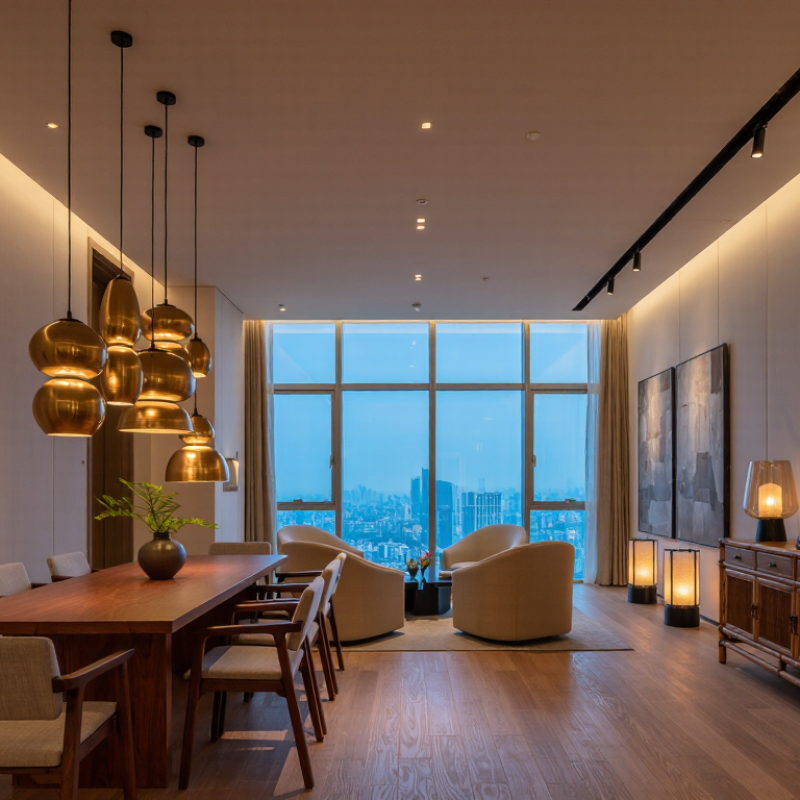
What Are the Latest Decorative Lighting Trends in China?

Definition and Scope of Decorative Lighting Trends in China

Decorative lighting in China refers to lighting designed to shape atmosphere, identity, and visual comfort, not only to provide illumination. Its scope includes residential pendants, wall lights, hotel installations, retail displays, landscape features, and digitally controlled interior systems. The boundary is not perfectly clean. Architectural lighting and decorative lighting often overlap in real projects.

Industry data shows why this category is expanding. The China Association of Lighting Industry reported that China’s lighting industry generated more than RMB 600 billion in operating revenue in 2023. LED products represented the dominant technology in the market. Meanwhile, the National Bureau of Statistics recorded an urbanization rate of 66.16% in 2023. More urban homes, commercial interiors, and public spaces create demand for layered lighting, softer color temperatures, and compact decorative fixtures.

Current Chinese projects increasingly combine visual design with energy control. Common applications include dimmable ceiling lights, concealed linear lighting, textured glass shades, and warm-white illumination near dining areas. Smart controls are also entering apartments and hospitality spaces. However, “smart” does not always mean useful. Some installations add complicated controls without improving comfort. This is a practical weakness worth examining. Reliable evaluation should consider glare, color rendering, maintenance access, and electricity use. The International Energy Agency’s 2024 lighting analysis also emphasizes efficient LED systems and connected controls as major efficiency opportunities.

Popular Materials, Forms, and Aesthetic Styles in Current Designs

What Are the Latest Decorative Lighting Trends in China?

In current Chinese interiors, decorative lighting is moving toward warm, tactile materials. Brushed brass, smoked glass, ceramic, rattan, and natural stone appear frequently. Designers often combine two or three materials within one fixture. A matte metal frame with an opal glass shade feels refined without looking cold. Recycled glass is also gaining attention, although its color and texture can vary noticeably.

Forms are becoming softer and more sculptural. Mushroom lamps, slim pendant bars, paper-like discs, and folded wall lights suit compact urban homes. Some designs resemble floating moons or delicate branches. In restaurants and boutique hotels, oversized chandeliers create a clear visual focus. Meanwhile, concealed LED strips are used under shelves, along steps, and behind curved panels. They provide quiet layers of light rather than harsh brightness.

The strongest aesthetic direction blends contemporary Chinese simplicity with natural references. Soft amber light, earthy colors, and rounded silhouettes create a calm atmosphere. Traditional inspiration may appear through bamboo textures, lantern proportions, or handmade ceramic details. However, not every decorative fixture performs equally well. Some sculptural lamps cast attractive shadows but offer weak reading light. This mistake is easy to overlook in a showroom. Good design should balance appearance, glare control, color accuracy, and maintenance. I still find certain highly polished surfaces too demanding in real homes, especially near fingerprints and kitchen dust.

Latest Decorative Lighting Trends in China

Comparative trend signals based on recurring materials, forms, and aesthetic directions documented in recent China-focused residential lighting catalogs and interior design publications. The index indicates relative design prominence, not market share.

The strongest current directions are warm minimalist styling, organic silhouettes, glass and metal combinations, slim linear fixtures, and layered lighting schemes that combine ambient, task, and accent illumination.

Smart Technology and Interactive Features in Decorative Lighting

China’s decorative lighting market is moving beyond static chandeliers and colored bulbs. Smart fixtures now combine dimming, motion sensing, and adjustable color temperature. In apartments, a pendant may shift from warm evening light to brighter work lighting. Some systems respond to occupancy, music, or hand gestures. These details make lighting feel less like furniture and more like an active interior element.

From practical installations, the most useful feature is often simple automation. A hallway light can brighten when someone enters, then fade after a short delay. Touch panels and mobile controls also help users create scenes for dining, reading, or entertaining. However, connectivity is not always reliable. Wi-Fi interruptions can make a beautiful system frustrating. Physical switches and local controls remain important, especially for older residents and shared homes.

Tips: Choose fixtures with manual control, clear privacy settings, and compatible communication standards. Test the light at night, not only in a bright showroom. Check whether sensors detect pets, children, or movement behind thin doors. Keep color temperatures consistent across nearby fixtures. Smart features can impress visitors, but poor calibration quickly becomes distracting. I have also found that overly complex scenes are rarely used. A simpler setup may serve the room better.

Sustainable Materials and Energy-Efficient Lighting Solutions

What Are the Latest Decorative Lighting Trends in China?

In China, decorative lighting is moving toward lower energy use and more responsible material choices. LED modules now support efficient illumination with less heat and longer service life. Warm white light, often around 2700K to 3000K, creates a comfortable mood in homes, hotels, and restaurants.

Warm light matters.

Designers are also exploring recycled aluminum, recycled glass, bamboo, and responsibly sourced wood. These materials add texture without making every fixture look industrial.

In practical projects, aluminum shades are useful because they are lightweight, durable, and easier to recycle than mixed-material products.

However, a natural material is not automatically sustainable. Transport distance, coatings, adhesives, and repair options also affect its environmental impact.

Energy-efficient decorative lighting increasingly includes dimming, occupancy sensors, and daylight controls. A pendant above a dining table can operate at lower brightness during daylight hours. Corridors can remain dim until movement is detected. These controls reduce waste, but poor settings may frustrate users or cause unnecessary switching.

Small details matter. Project teams should check lumen output, color rendering, driver quality, and standby consumption before approval.

Supplier documentation should verify material content and electrical safety. Some specifications still focus on appearance first, which is a weakness worth reconsidering.

A beautiful fixture that cannot be repaired may create more waste than expected.

Market Applications and Consumer Preferences Across China

China’s decorative lighting market is shifting from visual novelty toward flexible comfort in homes, shops, hotels, and public interiors.

In major cities, residents often choose warm, layered light for compact apartments. Soft ceiling fixtures, wall lamps, and concealed strips create depth without occupying floor space.

The mood matters.

Consumers increasingly compare color temperature, dimming range, glare control, and cleaning difficulty before purchase. Online reviews strongly influence these decisions, especially among younger urban households.

Retail applications favor adjustable displays that make cosmetics, food, and clothing appear natural under changing light.

Small stores need slim track systems and simple controls, while premium hospitality spaces use sculptural pendants as visual anchors.

In dining areas, amber-toned illumination supports a relaxed atmosphere, but excessive warmth can distort product colors.

Many overlook this trade-off.

Efficiency matters too. Motion sensors, LED sources, and scheduled controls are appearing in offices, residential corridors, and community facilities.

However, smart features can confuse older users when interfaces lack physical buttons.

Regional preferences remain visible.

Northern homes may favor brighter task lighting during long winter evenings, while southern interiors often emphasize ventilation and low-heat fixtures. Coastal cities also show stronger interest in corrosion-resistant finishes.

Material choices now include recycled glass, bamboo-like composites, and powder-coated metal, although environmental claims require careful verification.

Some projects still prioritize dramatic photographs over comfortable daily use.

That needs rethinking. A beautiful fixture is not automatically a useful one.

FAQS

What does decorative lighting mean in Chinese interior projects?

It shapes atmosphere, identity, and visual comfort. It includes pendants, wall lights, retail displays, hotel installations, and landscape features. Its boundary with architectural lighting is often unclear.

Why is decorative lighting demand growing in China?

China’s lighting industry exceeded RMB 600 billion in operating revenue in 2023. Urbanization also reached 66.16%. More urban homes and commercial spaces need layered, compact lighting. The figures explain growth, but not every project succeeds.

Which light color is common for homes and hospitality spaces?

Warm white light, usually around 2700K to 3000K, creates a relaxed atmosphere. It works well near dining tables, hotel beds, and restaurant seating. Warm light matters.

How are smart features changing decorative lighting?

Smart fixtures can adjust brightness and color temperature. They may respond to occupancy, music, gestures, or mobile controls. A hallway light can brighten when someone enters. Then it fades after a short delay.

Are complex smart lighting systems always better?

No. Simple automation is often more useful than complicated scenes. Wi-Fi interruptions can make controls frustrating. Manual switches remain important in shared homes and for older residents. I may be wrong, but many advanced scenes are rarely used.

What should users test before buying smart decorative lighting?

Test the fixture at night, not only in a bright showroom. Check manual control, privacy settings, and communication compatibility. See whether sensors detect pets, children, or movement behind thin doors. Keep nearby fixtures at consistent color temperatures.

Which materials are appearing in sustainable decorative lighting?

Designers are exploring recycled aluminum, recycled glass, bamboo, and responsibly sourced wood. Aluminum shades are lightweight, durable, and easier to recycle than mixed-material products. Natural materials are not automatically sustainable. Transport, coatings, adhesives, and repair options also matter.

How can decorative lighting reduce energy use?

Efficient LED modules use less energy and produce less heat. Dimming, occupancy sensors, and daylight controls can reduce unnecessary operation. A dining pendant can dim during daylight hours. A corridor can stay dim until movement occurs. Poor settings may cause irritation or excessive switching.

What technical details should project teams evaluate?

Review lumen output, color rendering, driver quality, standby consumption, and maintenance access. Check electrical safety and material documentation before approval. A beautiful fixture that cannot be repaired may create unexpected waste. Appearance alone is not enough.

Conclusion

This article explores what are the latest decorative lighting trends in China and explains how they are shaping contemporary interiors, commercial spaces, hospitality venues, and outdoor environments. Current designs combine practical illumination with artistic expression, featuring natural materials, recycled elements, metal details, textured glass, geometric structures, organic silhouettes, and a balanced mix of minimalist, modern, traditional, and culturally inspired aesthetics. Decorative lighting is increasingly viewed as an important part of spatial identity rather than a simple functional fixture.

The discussion also examines the integration of smart technology, including adjustable brightness, color temperature control, sensors, app-based management, and interactive lighting effects. Sustainability is another major direction, with growing interest in energy-efficient light sources, durable construction, recyclable materials, and designs that reduce waste. Across different regions and consumer groups, preferences vary according to lifestyle, housing conditions, purchasing power, and the needs of residential, retail, office, hospitality, and public projects. Together, these developments reflect a Chinese decorative lighting market that values personalization, efficiency, visual comfort, and responsible design.

Henry

Henry

Henry is a dedicated marketing professional with a profound expertise in the company's offerings. With years of experience in the industry, he possesses an impressive understanding of the market dynamics and consumer behaviors that drive success. Henry is committed to sharing his insights through......