In recent years, more people are asking, "why are LED decorative lights popular?" These lights are not just functional; they add charm and ambiance to any space. According to lighting expert Dr. Jennifer Holmes, “LEDs offer a perfect blend of energy efficiency and aesthetic appeal.” This dual advantage is part of their growing allure.
LED decorative lights create a magical atmosphere, enhancing everything from home décor to celebrations. Their vibrant colors and versatility make them suitable for various occasions. Yet, the appeal goes beyond visuals. Many consumers appreciate their longevity and energy savings. While traditional lights can burn out quickly, LEDs shine bright for years. However, not every LED product is created equal.
There remains a need for more awareness about quality variations in the market. Consumers should be educated on choosing the right lights for their specific needs. Yet, this complexity does not overshadow their popularity. The trend shows no sign of slowing down as people continue to explore the endless possibilities of LED decorative lights.
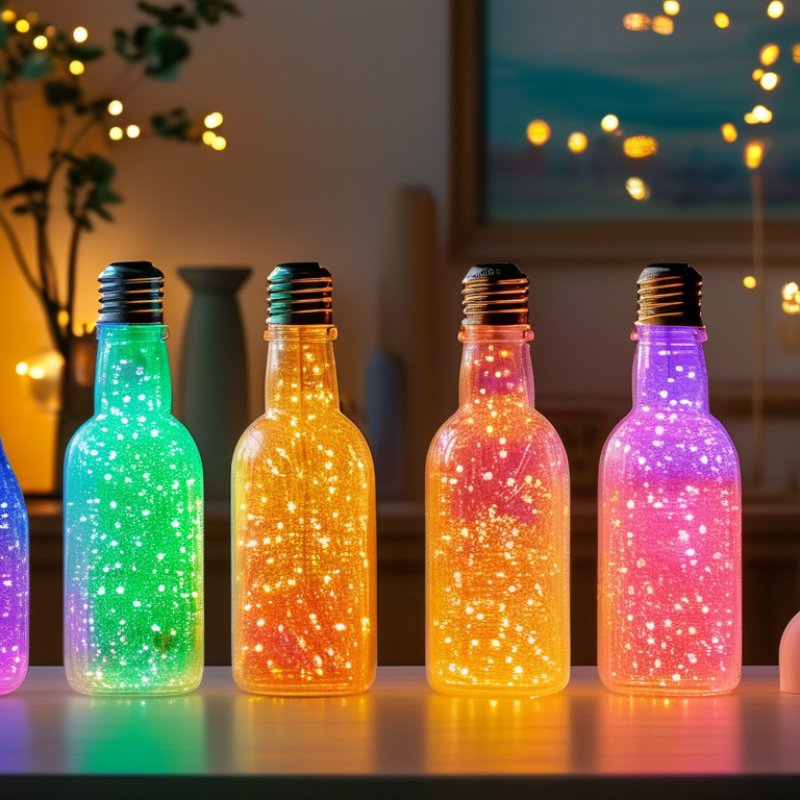
The Evolution of LED Decorative Lights in Modern Illumination
The evolution of LED decorative lights has transformed how we illuminate our spaces. Once a simple technology, LEDs have become versatile design elements in homes and public areas. Their adaptability allows for various shapes and colors, catering to individual tastes. With the rise of remote controls and smart technology, LED lights can now be programmed for any occasion.
People increasingly favor LED lights due to their energy efficiency. They consume less power compared to traditional bulbs. This shift is not just about savings, though. The vibrant colors and dynamic features of LED lights can create a unique atmosphere. Celebrations and festivals now feature captivating displays, which wouldn’t be possible with older lighting technologies.
However, the rapid adoption of LED lights raises questions. Are we overusing them? The bright, artificial light can sometimes overpower natural ambiance. Some people miss the warmth of incandescent bulbs. It's vital for designers and consumers to balance aesthetic appeal with comfort. Deliberation on how to integrate LEDs into various settings may enhance our overall experience with modern lighting.
Key Features and Advantages of LED Technology for Decorative Use
LED decorative lights are captivating people around the globe with their unique benefits. The energy efficiency of LED technology is remarkable. These lights consume significantly less power compared to traditional bulbs. This leads to lower electricity bills and a smaller carbon footprint. People are increasingly seeking sustainable options, making LED lights an appealing choice for both home and event decor.
Another key feature is their longevity. LED lights can last tens of thousands of hours. This reduces the frequency of replacements, which saves money and effort. Brightness and color options enhance their charm. LEDs come in a wide variety of colors and can create different atmospheres. They can be used for festive occasions or everyday ambiance. However, some might find the initial costs higher, which can be a drawback for budget-conscious consumers.
The versatility of LED decorative lights is also noteworthy. They can be used indoors or outdoors. From string lights to wall-mounted options, the designs are endless. Yet, installation can sometimes be tricky for those unfamiliar with electrical work. This brings a level of complexity that may discourage some. Nonetheless, the overall advantages often outweigh these cons, revealing a trend toward LED lights in modern decor.
Global Popularity of LED Decorative Lights
Global Trends in Home and Event Decoration Utilizing LED Lighting
LED decorative lights are transforming home and event decoration globally. Their versatility and vibrant colors enhance any space, making them a popular choice. From intimate home settings to large festive events, LED lights elevate ambiance. They can create a warm glow for dinners or vibrant displays for celebrations. Many people enjoy experimenting with different designs and setups, but not everyone achieves the desired effect.
When decorating, consider layering your lights. Combining different types and colors can create depth. Balance is key when arranging lights. Use accent lighting to draw attention to focal points. Another tip is to think about the placement. Outlining furniture and walls can make your space feel larger. Remember to be mindful of potential clutter. Overdoing decorations can lead to a chaotic look.
Trends show a rise in the use of LED lights in outdoor spaces. Patios, gardens, and balconies come alive with colorful lighting. People are also using them for festive decor during holidays. However, there is a fine line between tasteful and excessive. Finding the right mix can be challenging. Encouraging experimentation while knowing when to hold back can lead to stunning results.
Environmental Impact and Energy Efficiency of LED Lighting Solutions
LED decorative lights are becoming increasingly popular around the world. Their rise can be attributed to a focus on environmental impact and energy efficiency. Unlike traditional bulbs, LEDs consume significantly less energy and have a longer lifespan. This helps reduce electricity bills and lowers greenhouse gas emissions. People are becoming more conscious of their energy consumption, driving the demand for these effective lighting solutions.
Tips for choosing LED lights include checking the lumens rating. This indicates brightness. Look for lights with a higher lumen output for vibrant displays. Color temperature also matters. Opt for warm white for a cozy feel or cool white for a modern look.
While LED technology offers many benefits, it still has room for improvement. Some LEDs may emit harsh light, causing glare. The initial purchase cost can also deter some consumers. However, long-term savings often outweigh these concerns. We should continue exploring ways to enhance LED technology while keeping environmental goals in mind.
Cultural Significance and Seasonal Use of LED Decorative Lights Worldwide
LED decorative lights have gained immense popularity worldwide due to their cultural significance and seasonal use. Many cultures incorporate lights in their festivals and celebrations. For instance, Diwali in India and the Christmas season in various countries showcase vibrant LED displays. According to a research report by MarketsandMarkets, the global LED lighting market is projected to reach $105 billion by 2023, emphasizing their growing acceptance.
The versatility of LED lights allows them to enhance any occasion. Indoor decorations, outdoor displays, and event setups all benefit from their adaptability. Despite their advantages, some consumers face challenges in choosing the right type and color temperature for their specific needs. A strategic approach can help avoid overwhelming situations.
Tips: When selecting LED decorative lights, consider the atmosphere you want to create. Warm white lights provide a cozy feel, while colorful options add vibrancy. Look for energy-efficient models to save costs in the long run. It’s essential to explore and reflect on different designs, balancing aesthetics with practicality.
FAQS
: LED lights use less power than traditional bulbs. This lowers electricity bills and reduces carbon footprints.
LED lights can last tens of thousands of hours. This reduces replacement frequency and saves money over time.
LED lights come in various colors. They can create cozy settings for dinners or vibrant displays for celebrations.
Installation can be tricky for those unfamiliar with electrical work. Some may find it complex and daunting.
Layering different types and colors of lights creates depth. Balance is essential to avoid a cluttered look.
Yes, LED lights are popular for outdoor spaces like patios and gardens. They enhance the ambiance with colorful displays.
Overdoing decorations can lead to chaos. It's important to find the right balance to avoid a cluttered appearance.
Some might find initial costs higher than traditional bulbs. This can be a consideration for budget-conscious consumers.
Conclusion
LED decorative lights are gaining popularity worldwide due to their evolution in modern lighting solutions, which enhance both aesthetic appeal and functionality in various settings. Their key features include energy efficiency, longevity, and versatility, making them ideal for home and event decoration. As global trends shift towards more sustainable practices, the demand for LED options continues to rise, particularly for seasonal celebrations and cultural festivities where lighting plays a significant role.
Moreover, the environmental impact of LED technology contributes to its appeal, as these lighting solutions consume less electricity and produce minimal waste, aligning with contemporary values of sustainability. This combination of beauty, efficiency, and ecological consideration explains why LED decorative lights are popular among consumers seeking innovative yet responsible lighting options for their homes and events.

 CAPIVANA Lighting