In the quest for a perfect living space, many wonder, can smart lighting improve interior decoration? Lighting sets the mood and highlights design elements. Expert Jane Mitchell, a renowned interior designer, believes, “Smart lighting can transform any room, enhancing its unique features.” Her insight reflects the growing trend of integrating technology in home decor.
Smart lighting systems offer versatile solutions. They allow users to adjust brightness and color temperature with ease. This flexibility can accentuate architectural details, making spaces feel larger or cozier. However, not every lighting choice enhances a room. Sometimes, it's easy to overdo it. A poorly placed fixture may cast unwanted shadows or create a chaotic atmosphere.
Consider how the interplay of light and shadow shapes perception. Thoughtful design involves trial and error. Experimentation can lead to stunning outcomes, but it can also present challenges. It’s essential to balance technology and aesthetics to truly uplift your space. Embracing smart lighting effectively requires knowledge and reflection on personal style preferences.
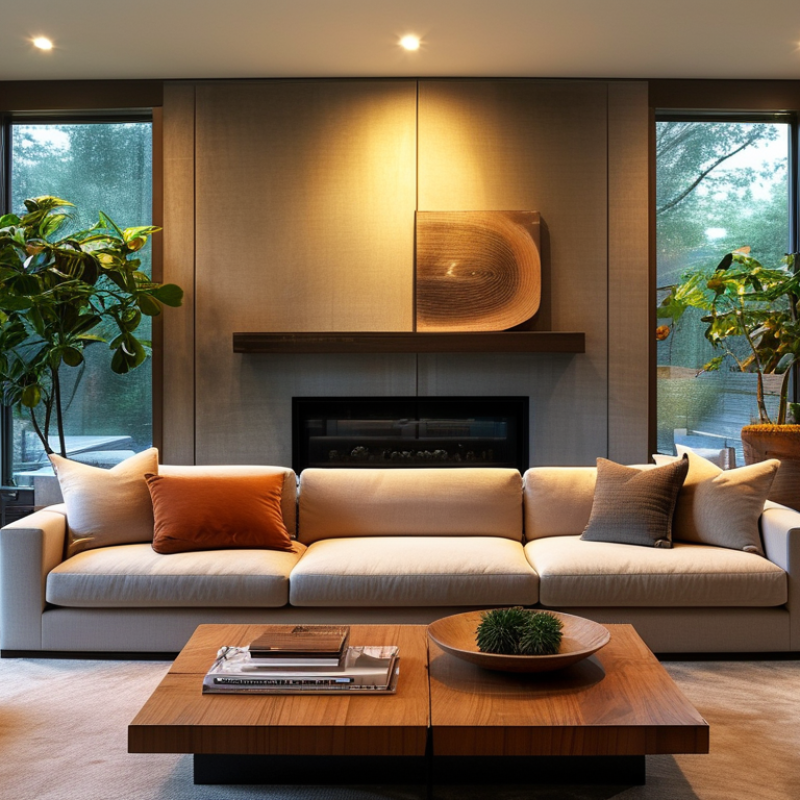
Understanding Smart Lighting and Its Features
Smart lighting is transforming our interior spaces in remarkable ways. It provides more than just illumination; it can create mood and ambiance. With features like color change and adjustable brightness, smart lighting adapts to our needs. Imagine winding down with a soft, warm glow or energizing your morning routine with bright, cool light. Such flexibility enhances the overall atmosphere of your home.
However, integrating smart lighting isn't always smooth. Some users report issues with connectivity or compatibility with existing fixtures. It’s important to choose products that suit your setup. Even the best technology can be tricky at times, and not every room may benefit equally. Reflect on which areas of your home could truly enhance from smart lighting versus those that may not need it.
Understanding the available features is crucial. Light scheduling can mimic natural light patterns, aiding in better sleep. Voice activation allows for hands-free convenience, but this may not suit everyone's lifestyle. Balance practicality with your aesthetic desires when choosing smart lighting. Each home is unique, and what works for one may not work for another, so consider the specific needs of your space.
The Impact of Smart Lighting on Interior Aesthetics
Smart lighting significantly transforms interior aesthetics. A study from the American Society of Interior Designers indicates that well-planned lighting enhances the perception of space and improves mood. Proper lighting can make a small room appear larger and more inviting. For instance, using warm lighting tones creates a cozy atmosphere, while cooler tones can produce a more modern and spacious feel.
Incorporating smart lighting systems can be a game-changer. These systems allow you to adjust brightness and color remotely, tailoring the ambiance to any occasion. A report by the International Energy Agency states that smart lighting can reduce energy consumption by up to 30%. Yet, it’s essential to evaluate your needs. Overly bright or dim lighting can disrupt balance, detracting from overall design harmony.
Consider experimenting with different lighting placements. Keep in mind how shadows can alter perceptions. Layer your lighting, mixing ambient, task, and accent lights for depth. The right balance can enhance textures and architectural details. Reflect on personal preferences, as individual tastes vary widely. Employing smart lighting is not just about function; it is an art that deserves thoughtful implementation.
Integrating Smart Lighting with Interior Design Principles
Smart lighting can significantly elevate the aesthetics and functionality of your interior decor. Integrating smart lighting with established design principles creates an ambiance that transforms spaces. Research shows that 68% of homeowners find that lighting impacts their mood and productivity. This suggests that effective use of light can enhance our living experience.
Consider the principles of balance and harmony when selecting lighting solutions. For example, layering light sources—ambient, task, and accent—can create depth. The American Lighting Association highlights that layering increases visual interest and can make small spaces appear larger. However, it's vital to avoid over-illumination, which can lead to discomfort. Thoughtful placement and selection of smart fixtures can also prevent the feeling of clutter.
Moreover, programs reveal that smart lighting is becoming crucial in sustainable design. It allows for energy efficiency, reducing consumption by up to 30% when used effectively. While these systems offer convenience, they can also complicate simple setups. Not all smart lighting systems are intuitive, necessitating some user education. This highlights the learning curve for many users, underscoring the need for reliable user support. Balancing technology with simplicity is essential for successful integration.
Practical Applications of Smart Lighting in Home Decor
Smart lighting is transforming the way we approach home decor. It allows for customization in ways that traditional lighting cannot. Imagine a soft amber glow that creates a warm atmosphere during dinner. Or, a vibrant blue light that enhances energy during a lively gathering. These options can make a significant difference in mood and experience.
When using smart lighting, consider layering your lighting sources. Combine ambient, task, and accent lights for a balanced approach. Each layer can serve a unique purpose. Warm tones can soothe in a bedroom, while brighter whites are perfect for kitchens. Play with colors to find what resonates with your space.
Be mindful of shadows and light distribution. Overly harsh lighting can create uninviting corners. Utilize dimmers or smart controls to fine-tune brightness levels. This can help you adapt to different times of day and various activities. Experimentation is essential. Find what works best for your space.
Enhancing your interior decoration with smart lighting requires some trial and error. Not every setup will work perfectly from the start. Be willing to adjust and rethink your arrangements. Smart lighting has the potential to elevate your space dramatically. Explore its possibilities.
Can Smart Lighting Enhance Your Interior Decoration Experience?
| Feature |
Benefit |
Application |
| Color Customization |
Enhances mood and ambiance |
Living rooms, bedrooms |
| Remote Control |
Convenience of operation |
Any room with smart devices |
| Scheduling |
Automated lighting changes |
Home entrances, security applications |
| Energy Efficiency |
Reduces electricity costs |
Whole home integration |
| Voice Activation |
Hands-free operation |
Kitchens, living spaces |
| Dynamic Scenes |
Set different moods |
Entertainment areas, bedrooms |
Future Trends in Smart Lighting for Interior Enhancement
Smart lighting is one of the latest trends in interior design. It offers solutions that not only enhance aesthetic appeal but also improve functionality. Future advancements will allow for even more integration of technology into our living spaces. Imagine lights that adjust based on your mood, time of day, or activity. This level of customization can completely transform a room.
To make the most of smart lighting, focus on layering your light sources. Use ambient lighting for overall brightness, task lighting for specific activities, and accent lighting to highlight architectural features. Dimmer switches can also enhance this effect. Experimenting with different color temperatures can change how a room feels. Warmer tones are cozy, while cooler tones can create a more open, energetic atmosphere.
Consider incorporating voice-controlled lighting systems. They can streamline your routine and provide instant adjustments. However, it's essential to think about usability. Not every user will adapt to technology at the same pace. Making lighting intuitive for all members of the household is crucial. Regularly evaluate how your choices are working in practice. This reflection can help refine and improve your overall lighting setup.
Conclusion
Smart lighting has emerged as a transformative tool in home decoration, offering a blend of functionality and aesthetic appeal. By understanding its features, such as color customization and automation, homeowners can leverage smart lighting to enhance their interior environments significantly. The impact of smart lighting on interior aesthetics is profound, as it allows for dynamic mood changes and highlights key design elements, thus making spaces feel more inviting and personalized.
When integrating smart lighting with interior design principles, it becomes crucial to consider factors like color temperature and brightness levels to achieve harmonious effects. Practical applications in home decor range from accent lighting that emphasizes artwork to ambient lighting that creates cozy atmospheres. As technology evolves, future trends suggest even more innovative ways that smart lighting can improve interior decoration, making it an essential consideration for modern living. Ultimately, can smart lighting improve interior decoration? The answer is a resounding yes, as it offers an adaptive and creative approach to enhancing any space.

 CAPIVANA Lighting