7 Tips to Choose Decorative Lighting for Your Home

Time:2026-09-18 Author:Ethan
0%

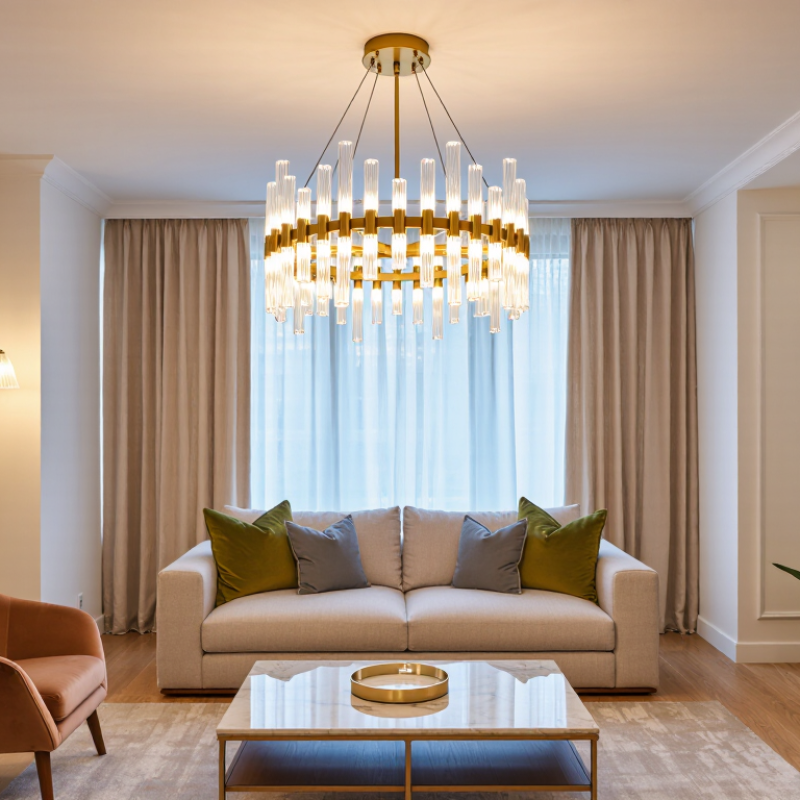
Choosing decorative lighting is not simply a matter of matching a pendant with a sofa. It involves proportion, brightness, color temperature, energy use, installation limits, and daily habits. This guide explains how to choose decorative lighting for a home with practical decisions you can test in real rooms. A brass wall light may look elegant in a showroom, yet feel harsh beside a reading chair. A large chandelier may impress guests, but overwhelm a low ceiling.

Industry data supports a more thoughtful approach. The U.S. Department of Energy reports that LED lamps use at least 75% less energy and can last up to 25 times longer than incandescent lighting. The International Energy Agency’s Energy Efficiency 2024 report also identifies efficient lighting as an important opportunity for reducing electricity demand. These figures matter, but energy savings alone cannot create a comfortable home. Glare, shadows, dimming performance, and visual balance still need attention.

Architectural lighting designer Randall Whitehead describes lighting as “the jewelry of architecture.” His phrase captures the emotional role of decorative fixtures. They should add character without competing with the room’s structure. We may choose a beautiful fixture too quickly, then discover that its light is uncomfortable at night. That mistake is useful to examine. The following seven tips connect expert practice with measurable performance, helping homeowners select lighting that looks distinctive, functions reliably, and feels right after the first impression fades.
7 Tips to Choose Decorative Lighting for Your Home

Define Your Home’s Lighting Goals and Decorative Style

Before choosing decorative lighting, decide what your home needs to feel and do. A reading corner needs focused, comfortable light. A dining area may need a warmer glow that supports conversation. Walk through each room at night and notice dark corners, glare, and visual distractions. This simple check often reveals more than a daytime inspection.

Your decorative style should support the room’s architecture, not compete with it. In a calm bedroom, a fabric shade can soften hard surfaces. In a compact entryway, a slim pendant may create interest without blocking movement. Check the fixture’s scale carefully. A large light can overwhelm a narrow room, while a tiny fitting may look accidental. Choose warm-white bulbs around 2700K to 3000K for relaxed living areas. Use dimming where possible, because brightness needs change throughout the evening.

I once selected a striking light before considering the ceiling height. It looked beautiful, but the room felt crowded. That mistake taught me to measure first and shop later. Consider color rendering too, especially near artwork, wood, or food. A higher CRI can show these colors more naturally. Decorative lighting should be attractive, but safety and comfort still matter. Keep fixtures away from damp areas unless they are properly rated. Ask an electrician to review fixed wiring when needed. My preferences have changed, and yours may change too. That is part of designing a home.

Assess Room Size, Layout, and Existing Natural Light

A well-lit room does not always need a larger fixture. It needs the right scale.

Measure the room’s length, width, and ceiling height before shopping. In a compact bedroom, a wide pendant may overwhelm the bed and make the ceiling feel lower. A broad dining area can handle a larger shade, but the fixture should still leave clear walking space. Keep at least 30 inches between a dining tabletop and the light’s lowest point.

Tip: Sketch the room layout first. Mark doors, windows, furniture, and walking paths. A beautiful light can feel awkward when it blocks a cabinet or hangs directly over a seat.

Natural light changes throughout the day. Observe the room in the morning, afternoon, and evening before choosing a color temperature. North-facing rooms often feel cooler and dimmer, while strong west-facing sunlight can create glare. Sheer curtains may soften harsh rays without removing useful daylight. Also inspect existing lights. A warm ceiling fixture beside a cool task lamp can make white walls look uneven.

Tip: Test the darkest corner. Place a temporary lamp there for one evening. I once focused on the center of a living room and ignored a shadow near the reading chair. The result looked acceptable, but it was not comfortable. My first layout was wrong. Adjusting the fixture height and direction improved the space more than buying a brighter bulb. Safety matters too, so use suitable wiring and professional installation when required.

Choose the Right Fixture Type, Size, and Placement

7 Tips to Choose Decorative Lighting for Your Home

Choose the fixture type according to the room’s daily work. A pendant can anchor a dining table, while a flush mount suits a low ceiling. Wall sconces create softer light beside a bed or mirror. Layer them with task and ambient lighting for better control. I often test a temporary socket before buying a decorative fixture. It reveals shadows that a showroom cannot. A dimmer is useful, but confirm that the fixture and bulbs are compatible. Never rely on appearance alone. Electrical connections should be checked by a qualified professional.

Size changes how a room feels. For a dining fixture, measure the table before choosing its width. Leave comfortable clearance above the tabletop, usually about 75 to 90 centimeters. In a hallway, keep the fixture high enough to avoid head contact. A large room may need several smaller fixtures instead of one oversized piece. Placement matters as much as the design. Center the light over the furniture, not automatically in the ceiling. Walk through the room at night and check glare, reflections, and dark corners. I once placed a beautiful pendant too close to a cabinet door. It looked balanced, but daily use proved otherwise. Leave room for adjustment. Your first layout may not be perfect.

Coordinate Colors, Materials, and Light Temperature

7 Tips to Choose Decorative Lighting for Your Home

Match color before style. Warm white light, around 2700–3000K, suits wood, beige walls, and relaxed living rooms. Cooler light can sharpen white kitchens, glass, and polished metal. Keep nearby fixtures within 300K when possible. Otherwise, the room may look accidentally mismatched. Check color rendering too. A high CRI, preferably 90 or above, helps food, artwork, and skin tones appear more natural. The Illuminating Engineering Society highlights color appearance and rendering as key residential lighting considerations.

Coordinate materials with the room’s visual weight. A heavy black pendant can anchor a large table, while a slim brass sconce may suit a narrow hallway. Repeat one finish twice, but do not force every surface to match. I once used three different metal tones in one small room. It felt busy at night, even though the daytime design looked balanced. Samples matter. Test the fixture with your actual wall paint and flooring.

Use dimming to change atmosphere without changing fixtures. Warm light usually feels softer after sunset, while brighter, cooler light supports cleaning or focused tasks. Choose compatible dimmers and lamps together. ENERGY STAR reports that certified LED lighting can use up to 90% less energy than incandescent lighting and last up to 25 times longer. The U.S. Department of Energy also notes major LED energy savings. Still, efficiency should not excuse glare. Shield exposed bulbs, check reflections on screens, and sit beneath the fixture before deciding. Your ceiling may disagree.

Set a Budget and Check Installation Requirements

Set a Budget and Check Installation Requirements

Decorative lighting can change a room’s mood, but the fixture price is only one part of the cost. Set a practical budget before browsing styles, including bulbs, dimmer switches, mounting hardware, and professional labor. Leave a small reserve for surprises. Older wiring can add expense.

Tip 1: Inspect the installation point before choosing a fixture. Check whether the ceiling box can support its weight, especially for glass pendants or large chandeliers. Measure the ceiling height, table width, and available clearance. A beautiful light that hangs too low quickly becomes irritating.

Tip 2: Ask an experienced electrician to review the wiring when the fixture replaces an older fitting. They can confirm circuit capacity, grounding, switch compatibility, and safe mounting. Do not assume an existing box is suitable. I once underestimated the space needed for a junction box, and the final installation looked more crowded than planned.

Keep the design within your budget, but do not cut corners on safety components. Select fixtures with clear installation instructions and suitable electrical ratings for their location. Bathrooms, kitchens, and covered outdoor areas may require different protection levels. If the instructions seem vague, pause and seek qualified advice. Small details matter.

FAQS

How can I identify my home’s lighting needs before shopping?

Walk through every room at night. Notice dark corners, screen glare, and distracting reflections. A reading corner needs focused light. A dining area usually benefits from a warmer glow.

What color temperature suits relaxed living spaces?

Choose warm-white bulbs around 2700K to 3000K. They pair well with wood, beige walls, and calm evenings. Cooler light can suit white kitchens, glass, and polished metal.

How should fixture size relate to a room?

Measure the ceiling height and room width first. A large pendant can crowd a narrow room. A tiny fitting may look accidental. Measure first.

How can decorative lighting support a room’s style?

Let the fixture work with the architecture. A fabric shade can soften a hard bedroom. A slim pendant can add interest in a compact entryway. It should not block movement.

What mistake should I avoid when choosing a fixture?

Do not choose appearance before checking ceiling height. I once selected a beautiful light that made a room feel crowded. The lesson still matters.

Should nearby fixtures use the same color temperature?

Keep nearby fixtures within roughly 300K when possible. Larger differences may look unintentionally mismatched at night. This is easy to overlook.

Why does color rendering matter?

High color rendering, preferably 90 or above, shows food, artwork, wood, and skin tones more naturally. Test samples beside your actual walls and flooring.

How can dimming improve decorative lighting?

Dimming changes the atmosphere without replacing fixtures. Use compatible dimmers and lamps together. Brighter light supports cleaning. Softer light suits evening conversation.

What safety and efficiency details should I check?

Keep fixtures away from damp areas unless properly rated. Shield exposed bulbs and check reflections on screens. Efficient LED lighting can use much less energy and last longer. Ask a qualified electrician to review fixed wiring when needed.

Conclusion

Choosing decorative lighting begins with understanding how each room should feel and function. This guide explains how to choose decorative lighting for a home by first defining your lighting goals and preferred style, whether you want a warm, relaxed atmosphere or a brighter, more refined look. Consider the room’s size, layout, ceiling height, furniture arrangement, and available natural light before selecting fixtures. These details help determine the appropriate type, scale, and placement of pendants, chandeliers, wall lights, or table lamps.

A successful lighting plan also depends on visual coordination. Match fixture colors and materials with the room’s existing finishes, and select a light temperature that supports the desired mood. Warm light can create comfort, while cooler light may feel cleaner and more energetic. Finally, establish a realistic budget and review installation requirements, including available wiring, mounting support, and professional assistance when necessary. Thoughtful planning ensures decorative lighting enhances both the appearance and practical use of your home.

Ethan

Ethan

Ethan is a seasoned marketing professional with a deep expertise in our company's innovative product line. With a passion for sharing knowledge and insights, he takes the lead in regularly updating our corporate blog, where he explores industry trends, product features, and effective marketing......