Choosing light is not just about picking a beautiful pendant. It shapes how a room works, feels, and changes from morning to evening. A kitchen island needs clear task lighting; a reading chair needs a focused pool of light; a hallway benefits from a softer welcome. The same fixture rarely handles every job well.
Architect Louis Kahn captured light’s power with the line, “The sun never knew how wonderful it was until it fell on the wall of a building.” His words point to a practical truth: light reveals texture, proportion, and color. For anyone learning how to choose lighting for modern interiors, that means looking beyond the fixture itself. Consider where daylight enters, what activities happen in each area, and whether the room needs ambient, task, or accent lighting. A dimmer can make one space feel calmer at night without sacrificing useful brightness during the day.
Small choices matter. A warm bulb can soften a concrete wall; a poorly placed downlight can create glare on a laptop screen. Measure the room, check bulb color temperature, and notice how finishes look under real evening light. Then adjust. Even a careful plan can miss something once the furniture is in place. That is part of the process, not a failure. The following seven tips offer a clear starting point, while leaving room for the lived-in details that make a modern interior feel personal.
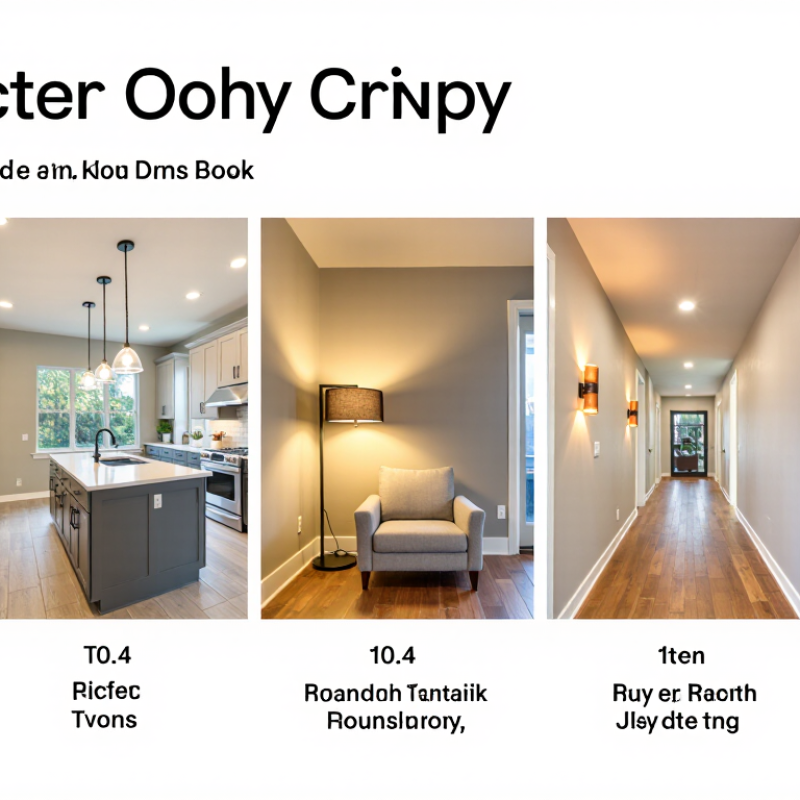
Before choosing fixtures, note what each room asks you to do. A kitchen needs clear light over counters, while a living room benefits from softer, adjustable illumination. In a bedroom, a focused bedside lamp can make reading easier without lighting the whole space. Watch how daylight shifts, too. A corner that feels bright at noon may be dim by evening.
Tips: List the room’s main activities, then match light to each one. Use task lighting for detailed work, ambient lighting for general visibility, and softer accents where you want a calmer mood. Test the setup at different times. Small changes matter.
Pay attention to surfaces and shadows. Dark walls and heavy curtains can absorb light, so the same fixture may feel weaker than expected. Shiny counters can create glare if a lamp points directly at them. I have sometimes judged a room by its ceiling light alone; that misses dark corners and makes the space feel flatter. It is worth checking the room from a chair, a desk, and the doorway. If an area still feels uncomfortable, adjust the light’s position before adding another fixture. A simple sketch of daily routines can help, though real rooms rarely follow the sketch perfectly.
Tip 1: Start with ambient light, the soft foundation for a room. A ceiling fixture, wall lights, or concealed lighting can brighten dark corners. Match the light’s spread to the room’s size; one central fixture often leaves edges gloomy. Tip 2: Choose a warm, comfortable tone for living areas, then check samples at night. Daylight can make the same bulb feel surprisingly different.
Tip 3: Place task lighting where work happens. A desk lamp should illuminate the page without shining into your eyes. Tip 4: In kitchens, light counters from above or in front, not only from behind you. Your body can cast a shadow right where you need to see. Tip 5: Add focused light beside reading chairs and mirrors. Small adjustments matter.
Tip 6: Use accent lighting to reveal texture, artwork, or a favorite architectural detail. Aim a lamp at a wall or shelf, and avoid glare on glass. Tip 7: Put layers on separate switches or dimmers when possible. Then you can adjust the room for cooking, reading, or winding down. Test the setup after dark. I’ve found that a carefully planned scheme can still feel too bright once every fixture is on, so leave room to change your mind.
Plan ambient, task, and accent lighting in layers. The chart shows illustrative illuminance planning ranges in lux (lx).
Use these approximate ranges as starting points, not fixed rules. Adjust for the activity, room finishes, daylight, and personal comfort; accent lighting is also judged by its contrast with the surrounding space.
Modern fixtures should support a room’s lines, materials, and daily tasks—not compete with them. Pair a slim pendant with a clean-lined dining table, or use recessed lights to keep a low ceiling visually open. U.S. Department of Energy Energy Saver guidance reports that LED bulbs use up to 90% less energy and last up to 25 times longer than traditional incandescent bulbs. Check fixture compatibility before choosing dimmable LEDs; not every dimmer works smoothly with every bulb.
Tip 1: Match the fixture’s shape to the room. A simple globe can soften angular furniture, while a narrow linear pendant suits a long island. Keep finishes consistent, but avoid making every metal surface identical. A little contrast helps.
Tip 2: Layer the light. Combine general illumination with a focused reading lamp or under-cabinet lighting.
Tip 3: Check the color temperature and beam direction in the actual room. Warm light can make pale walls feel inviting; cooler light may sharpen a work area. I’d reconsider a striking fixture if it creates glare on a screen or leaves dark corners. Good design is not only what looks right in a showroom.
Color temperature affects how modern rooms feel and function. Warm light near 2700K can make timber and evening spaces feel relaxed; 3000–4000K often suits kitchens and work surfaces. These are starting points, not rules. ENERGY STAR’s lamp specification lists color temperatures from 2700K to 6500K and requires a color rendering index (CRI) of at least 80. CRI indicates how faithfully a source renders colors, but it does not tell the whole story.
Check samples in the actual room. A gray wall can look green under one lamp and pink under another. For artwork, fabrics, or skin tones, compare the reds closely; the R9 value can reveal weaknesses that a general CRI score may miss. Also notice glare and uneven brightness. I would not choose a bulb from its Kelvin number alone. The number is useful, but the room may disagree.
Tips: Try 2700–3000K for restful areas and 3000–4000K for detailed tasks. Choose CRI 80 or higher as a baseline, then test the light beside your finishes. Small change. Check it at night, too. An attractive sample can feel harsh after dark.
| Tip | Application | Suggested Color Temperature | Light-Quality Guidance | Practical Check |
|---|---|---|---|---|
| 1. Match warmth to the room’s mood | Living rooms and bedrooms | 2700–3000 K | Warm white creates a relaxed atmosphere and tends to complement warm woods and soft furnishings. | Test a lamp in the room after dark; wall color and finishes can change how warm light appears. |
| 2. Choose clear, comfortable light for work | Kitchens, desks, and worktops | 3000–4000 K | A neutral-to-warm white can support visual tasks without making the room feel overly cool. | Place task lighting to reduce shadows from hands, cabinets, or the user’s body. |
| 3. Check color rendering, not just brightness | Kitchens, wardrobes, art, and bathrooms | Choose to suit the room; commonly 2700–4000 K | Look for CRI 90 or higher when accurate color appearance matters. CRI 80 or higher is common for general residential lighting. | Check that skin tones, food, fabrics, and finishes look natural under the actual light. |
| 4. Keep adjacent lights visually consistent | Open-plan rooms and repeated fixtures | Use a consistent CCT within connected areas | Different lamps with the same stated CCT can still look slightly different; tighter color consistency helps repeated fixtures appear uniform. | Where available, compare color-consistency information such as SDCM; a lower value indicates a smaller chromaticity variation. |
| 5. Layer ambient and task lighting | Living, dining, and work areas | Coordinate the layers, or use separate zones for different needs | Combine general illumination with focused task or accent light rather than relying on one bright ceiling fixture. | Check that task areas are adequately lit while the rest of the room remains comfortable and free from harsh glare. |
| 6. Make sure dimming works smoothly | Bedrooms, dining rooms, and multi-use spaces | Select a preferred CCT; consider tunable-white lighting if adjustable warmth is needed | Dimming can provide flexibility, but lamp, driver, and control compatibility affects performance. | Test the full dimming range for flicker, buzzing, or sudden cut-off before committing to multiple fixtures. |
| 7. Consider daylight and time of use | Rooms with large windows or changing daily uses | Choose artificial light that complements the room’s daylight and evening use | Daylight varies in intensity and appearance; a fixed indoor CCT may look different as daylight changes. | Evaluate samples in both daytime and evening conditions before settling on a color temperature. |
When comparing lights, look beyond wattage. Wattage measures energy use, while lumens indicate brightness. A low-wattage fixture may still feel bright if it produces enough lumens efficiently. Check the fixture’s stated power draw and estimated annual energy use, then compare options for similar brightness. Small details matter. Color temperature also changes how a room feels: warm light can soften wood tones, while cooler light may suit task areas. If you plan to dim the lights, confirm that both the fixture and dimmer support the same dimming method. Otherwise, flickering or a limited dimming range can spoil the effect.
Controls should match how people use each room. A wall switch is simple and dependable; a dimmer gives more flexibility in a living room or bedroom. Occupancy sensors can help in closets or laundry areas, but may switch off when someone sits still. Not always ideal. Smart controls add scheduling and remote access, though they may need a stable network and setup time. Installation deserves equal attention. Check ceiling height, fixture weight, existing wiring, and the size of the electrical box before buying. Recessed fixtures may require suitable ceiling clearance and access, while pendant lights need secure support. If wiring changes are needed, have a qualified electrician assess the work. Measurements taken before shopping can prevent awkward gaps, but even careful plans sometimes miss a joist or an unexpectedly shallow ceiling.
Match light to each room’s main activities. Use clear task lighting over kitchen counters and a focused lamp beside a reading chair. Softer, adjustable light often suits living rooms.
Daylight changes during the day. A corner that looks bright at noon may feel dim by evening. Test the room after sunset, too.
Dark walls and heavy curtains can make a fixture feel weaker. Shiny counters may reflect glare if a lamp points directly at them. Small changes matter.
Watts describe energy use; lumens indicate brightness. Compare fixtures with similar lumen output, then check their power draw and estimated yearly energy use.
Warm light can bring out the tones in wood. Cooler light may feel useful over a desk or work surface. The right choice depends on the room.
No. Check that the fixture and dimmer support the same dimming method. Otherwise, the light may flicker or offer only a narrow dimming range.
Not always. A sensor can switch off while someone sits still in a laundry area. Smart controls offer schedules and remote access, but need setup and a stable network.
Measure ceiling height and check fixture weight, wiring, and electrical box size. Recessed lights need suitable clearance; pendants need secure support. A qualified electrician can assess wiring changes.
A simple sketch of daily activities helps, but real rooms rarely follow it perfectly. Check the space from a chair, desk, and doorway. I’ve missed dark corners by judging only the ceiling light.
Choosing the right lighting begins with understanding how each room is used. A kitchen may need focused illumination for food preparation, while a living room benefits from flexible light for relaxing, reading, and entertaining. A balanced plan combines ambient lighting for general visibility, task lighting for specific activities, and accent lighting to highlight architectural details or decorative objects. Together, these layers make a modern interior feel both practical and inviting.
When considering how to choose lighting for modern interiors, look for fixtures with clean shapes and finishes that suit the room’s design without overwhelming it. Choose a color temperature and light quality that support the desired mood, and consider how colors and materials will appear under the light. Finally, compare energy use, dimming and control options, and installation requirements. Thoughtful choices can create comfortable, adaptable spaces while keeping everyday use simple and efficient.

CAPIVANA Lighting