Lighting plays a crucial role in shaping our emotions and mental well-being. Many studies reveal how different types of lighting can influence mood. From the soft glow of candles to the bright, energizing light of daylight, each has its unique effect. Understanding how to use lighting to improve mood can transform your living space into an emotional sanctuary.
Consider the different environments we encounter. In a cozy living room, warm light can create a sense of safety. Alternatively, a bright workspace may boost productivity and focus. Experimenting with various lighting options can help you find what suits your needs best. Reflect on how certain lights make you feel—sometimes, it takes time to discover the right balance.
Moreover, the journey of adapting lighting to improve mood isn’t always perfect. You might find that too much brightness feels harsh or that dim lights can leave you feeling lethargic. Learning is key. Each attempt can lead to new insights. Embrace these moments and adjust your lighting with intention, always paying attention to your emotional response.
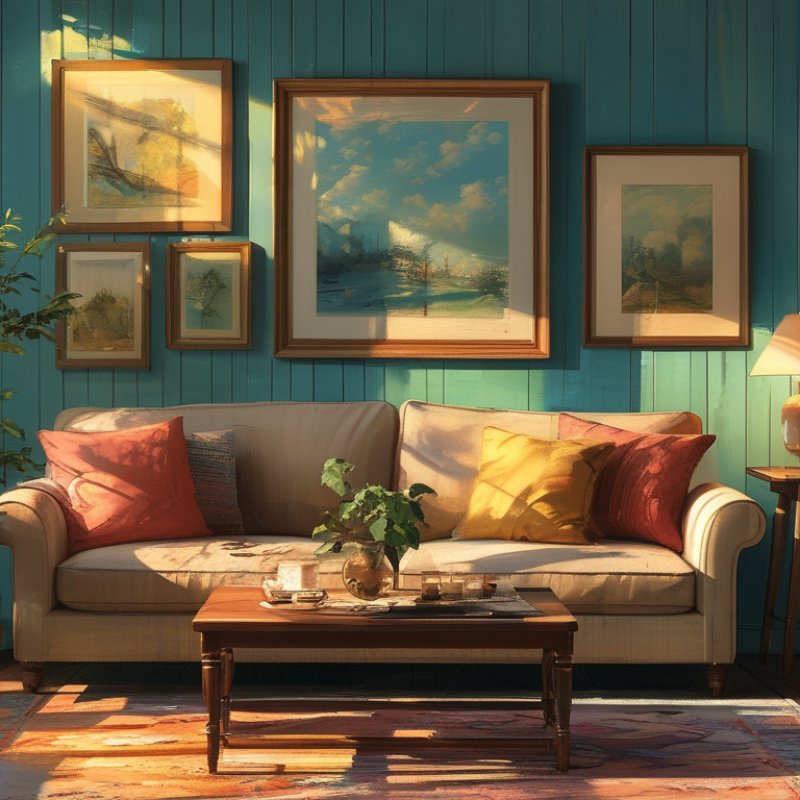
Lighting plays a crucial role in influencing mood and mental well-being. Studies show that around 80% of individuals report feeling better in well-lit environments. Natural light, in particular, is vital. It triggers the production of serotonin, a hormone that elevates mood and enhances overall happiness. In contrast, dimly lit spaces can create a sense of lethargy, diminishing motivation and morale.
Tip: Incorporate large windows or light tubes in your home to maximize natural light exposure.
Artificial lighting also has significant effects. Soft, warm lights can create a cozy atmosphere, while harsher, cooler lights may stimulate productivity. Research indicates that blue light can enhance focus but may disrupt sleep patterns if used in the evening. People often overlook how lighting can signal their brain about the time of day.
Tip: Use smart bulbs to adjust your lighting according to the time—bright in the morning and softer at night.
The misuse of artificial lighting can lead to issues. Many underestimate the impact of flickering lights, which can cause eye strain and lead to frustration. Adjusting lighting intensity and color temperature is essential. Understanding these effects empowers individuals to create environments that uplift rather than drain energy.
Lighting plays a crucial role in shaping our mood. Different types of lighting can evoke various psychological responses. For instance, bright, cool-toned lights often boost alertness and concentration. A study by the American Psychological Association found that exposure to brighter lights can enhance cognitive performance by 20% in office environments. This is significant because many people struggle with productivity due to poor lighting conditions.
Conversely, softer, warmer lights create a sense of relaxation. Research shows that warm lighting can decrease stress and anxiety levels. According to the Light Research Center, environments illuminated with warm, dim lights lead to a 30% reduction in reported stress among participants. However, inadequate attention to lighting can lead to negative emotions and mental fatigue. It is essential to evaluate how lighting affects well-being in various spaces, but many overlook this factor.
Light color temperature also plays a role. Cool white lights mimic daylight and can foster energy, while yellow hues are often associated with comfort. Understanding these effects can aid in designing spaces that cater to emotional needs. In our quest for well-being, we may need to rethink our relationship with light. Adjusting lighting should not be a minor consideration but a fundamental aspect of creating uplifting environments.
Natural light has a profound impact on our mood and well-being. Utilizing sunlight can enhance positivity and energy levels. Consider placing your workspace near windows. This allows for maximum exposure to natural light throughout the day. Plants can also help absorb excess light and create a calming atmosphere.
Tip: Open your curtains during the day. Let the sunlight flood your living area. Even on cloudy days, natural light can lift spirits. Many forget to adjust their environment to boost mood. Small changes can make a big difference.
Paying attention to different light levels is essential. Dim lighting can evoke a feeling of warmth, while bright light encourages alertness. Morning light exposure can improve sleep quality at night. Reflect on your lighting choices and how they affect your daily feelings.
Tip: Spend at least 30 minutes outdoors each day. Just a stroll in natural sunlight can uplift your mood. Find ways to integrate light into your routine. Every little effort adds up toward a brighter mindset. Be mindful of your surroundings.
Lighting plays a crucial role in shaping our mood and environment. Incorporating artificial lighting techniques can create an inviting atmosphere. For instance, warm yellow tones can make a room feel cozy. This is especially effective in living spaces where relaxation is key. However, it’s essential to balance brightness to avoid strain on the eyes.
Layering various light sources enhances the depth of a room. Combine ambient lights with task lighting for functional areas. Dimmers can adjust intensity, allowing for transition from lively gatherings to quiet evenings. It's intriguing how a well-lit space can trigger emotions. Yet, finding that perfect combination can take time and experimentation.
Natural light is an often-overlooked aspect to consider. While artificial lights are vital, maximizing daylight can enhance energy and focus. However, depending on geographical location, this might be a challenge. Reflect on how shadows and light interact in your space. Finding that balance can be a rewarding yet daunting task.
Lighting plays a crucial role in shaping our emotions. The color temperature of light significantly influences how we feel. Warmer tones, like soft yellow and orange, evoke comfort and relaxation. In contrast, cooler tones, such as blue and white, can enhance alertness and focus. Understanding this can transform your living or working space into an emotional sanctuary.
Another tip is to adjust the lighting according to the time of day. Natural light is essential during the day. It boosts mood and productivity. In the evening, warm lighting can signal your body to unwind. Too bright lights before bed can hinder sleep. Pay attention to how your space feels with different color temperatures throughout the day.
Don’t forget the power of ambient light. Use lamps with adjustable color temperatures. This flexibility allows you to create different moods effortlessly. Experiment with various settings to see what resonates best with your emotions. Reflecting on your lighting choices can lead to surprising discoveries about your mood fluctuations. Every change counts, making your environment more nurturing.
| Lighting Type | Color Temperature (Kelvin) | Associated Mood | Suggested Room |
|---|---|---|---|
| Warm White | 2700K - 3000K | Cozy, Relaxed | Living Room |
| Soft White | 3000K - 3500K | Comforting, Inviting | Bedroom |
| Cool White | 3500K - 4100K | Energetic, Alert | Kitchen |
| Daylight | 5000K - 6500K | Invigorating, Productive | Home Office |
| Color Changing | Varies | Dynamic, Fun | Entertainment Room |
| Task Lighting | 4000K - 5000K | Focus, Clarity | Office |
| Accent Lighting | 3000K - 4000K | Warm, Welcoming | Gallery/Art Space |
| Natural Light | 5000K - 6500K | Balanced, Healthy | Any Room |
| Dimmed Lighting | Varies | Relaxed, Intimate | Dining Room |
| Wall Sconces | 2700K - 3500K | Charming, Cozy | Hallway |
: Different lighting types can evoke various psychological responses. Bright lights boost alertness and concentration.
Studies show brighter lights can enhance cognitive performance by up to 20% in work environments.
Warm, dim lights can reduce stress by about 30% based on research findings.
Natural light is ideal. Position your workspace near windows to maximize sunlight exposure.
Yes. Bright lights in the evening can disrupt sleep. Warm lighting promotes relaxation before bedtime.
Use lamps with adjustable color temperatures. This allows you to create various moods in your space.
Reflect on your current lighting choices. Small adjustments can lead to significant mood improvements.
Aim for at least 30 minutes outdoors daily to benefit from natural light.
Warmer tones create comfort, while cooler tones enhance alertness. Understanding this can help design your space.
People often forget how crucial lighting is for well-being. Reflecting on this can lead to better choices.
Lighting plays a crucial role in shaping our emotions and overall well-being. Understanding the impact of lighting on mood allows us to harness its power effectively. Different types of lighting, from natural sunlight to artificial sources, have distinct psychological effects, influencing feelings of calmness, energy, or creativity. For those seeking to enhance their environment, exploring how to use lighting to improve mood involves adopting strategies such as maximizing natural light, selecting appropriate light fixtures, and using color temperatures that resonate with emotional responses.
To create a more uplifting atmosphere, one can incorporate practical artificial lighting techniques, like soft warm tones for relaxation or brighter cool hues for focus. By deliberately designing lighting setups that cater to specific moods, individuals can significantly enhance their daily experiences, making their spaces more conducive to productivity, relaxation, or social interaction. Ultimately, understanding and implementing effective lighting strategies can lead to improved mental and emotional health.

CAPIVANA Lighting