How to Use Lighting to Make a Room Look Bigger?

Time:2026-06-22 Author:Isabella
0%

Creating the illusion of spaciousness in a room can be challenging. Lighting plays a crucial role in this process. According to renowned interior designer Sarah Johnson, "The right lighting can transform a tight space into an inviting area." She emphasizes the importance of clever illumination strategies.

To understand how to make a room look bigger with lighting, consider using multiple light sources. Layered lighting, including ambient, task, and accent lights, can effectively create depth. Natural light is another vital element. Mirrors strategically placed can reflect light, enhancing this effect. However, be cautious; too many fixtures can clutter a room and defeat the purpose.

The color temperature of your lights also matters. Warm tones can make a room feel cozy but may shrink the perceived space. Cooler tones can open it up, giving a sense of airiness. Experimentation is key. Test different setups to discover what works best for your room. Ultimately, achieving the right balance requires a thoughtful approach to lighting design.
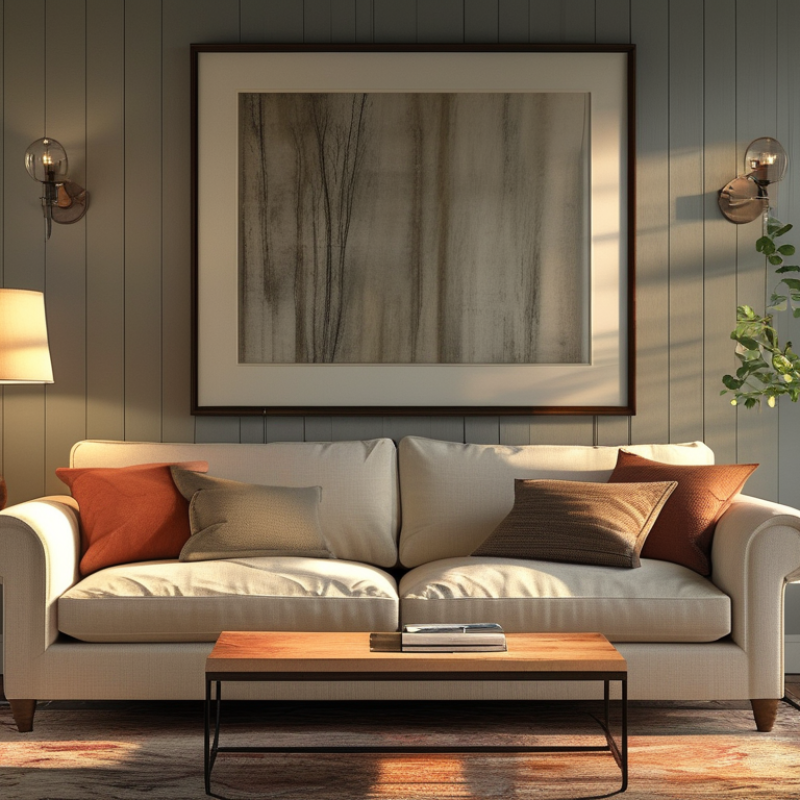
How to Use Lighting to Make a Room Look Bigger?

The Role of Natural Light in Enhancing Room Perception

Natural light plays a crucial role in how we perceive space in our homes. A well-lit room feels more open and inviting. Large windows allow sunlight to stream in, brightening corners often shrouded in shadows. Soft rays of daylight can create a sense of depth, making walls recede visually.

Consider how you arrange furniture and choose colors. Light colors amplify the effects of natural light. They reflect sunlight, creating an airy atmosphere. Darker shades can absorb light, making spaces feel cramped. Mirrors can enhance this effect by reflecting natural light across the room. However, they need thoughtful placement to avoid overwhelming the space.

Despite the benefits, some rooms may lack sufficient windows. Solutions include using sheer curtains or strategically placing mirrors. These methods might not provide true natural light but can mimic brightness. Personalizing your space while maximizing light can be a thoughtful reflection of your style. Experimenting with different layouts may involve trial and error, but it fosters a unique environment tailored to your needs.

Understanding the Psychology of Light and Space in Interior Design

Lighting plays a crucial role in how we perceive space. In interior design, the psychology of light can create an illusion of openness. Bright, natural light can make a room feel larger, while dim light tends to make spaces feel confined. Choosing the right light sources is vital for this effect. Soft white bulbs can enhance warmth, creating a welcoming atmosphere.


Mirrors are a practical tool in this context. Strategically placed mirrors reflect light, creating depth. Their placement can be tricky, though. Experimenting with angles may lead to unexpected results. Consider how different types of light affect room size perception. Spotlights can draw attention to certain areas but may also highlight narrow spaces.


Using color in conjunction with light is another element to consider. Lighter colors can help bounce light around a room. Darker hues can absorb light, making areas feel smaller. Finding the right balance is sometimes challenging. Pay attention to how lighting changes the room at different times of day. The dynamic nature of light means that what looks appealing in the morning may change by evening.

Choosing Light Colors and Reflective Surfaces for Optical Illusion

Using light colors and reflective surfaces can significantly enhance the perception of space in a room. Lighter shades, such as soft whites, pale blues, and gentle pastels, create an airy feel. They help bounce natural light around the room, making even smaller areas appear larger. Choosing paint colors wisely is crucial. For example, a light cream can open up a cozy corner, while dark colors can make a room feel cramped.

Reflective surfaces, like mirrors or glossy finishes, can also contribute to this optical illusion. Placing a large mirror directly across from a window can double the visual space. Similarly, high-gloss paint on furniture can reflect light beautifully. However, balancing these elements is essential. Too many reflective surfaces may create a cluttered feel rather than a spacious one.

Another consideration is the texture of materials. Smooth textures reflect light more efficiently than rough ones. Using a variety of textures, like a soft rug or sleek furniture, can add interest while maintaining the open vibe. Remember, while these tips can create an expansive look, every room has its unique challenges. Embrace imperfections. They can add character and warmth to your space.

Strategic Placement of Light Fixtures to Maximize Depth Perception

Lighting plays a crucial role in creating the illusion of space in any room. By strategically placing light fixtures, you can enhance depth perception and make your interiors feel larger. Consider using a mix of ambient, task, and accent lighting to achieve this effect. Each type of light serves a purpose and can transform an overwhelming space into a cozy haven.

One effective approach is to install lights at varying heights. Wall sconces provide upward light and draw the eyes upward, which can contribute to a feeling of height. A pendant light over a dining table adds focus without closing in the space. Don't forget to use floor lamps in the corners to eliminate shadowy areas, thus offering a sense of openness.

Tips for maximizing light placement include considering natural light sources and avoiding obstruction. Use sheer curtains to let in daylight while controlling glare. Be cautious with dark colors, as they can absorb light and reduce perceived space. Reflective surfaces like mirrors can amplify the lighting effect, creating a bright and airy atmosphere. Always evaluate how different arrangements impact the overall feel of the room. Adapt and adjust until the desired spaciousness is achieved.

How to Use Lighting to Make a Room Look Bigger? - Strategic Placement of Light Fixtures to Maximize Depth Perception

Lighting Type Placement Strategy Effect on Room Size Recommended Fixture
Recessed Lighting Install in ceilings to cast an even glow Enhances verticality, making ceilings appear higher LED Recessed Can Lights
Wall Sconces Place on side walls to create visual interest Draws the eye upward, creating a sense of height Decorative Wall Sconces
Floor Lamps Position in corners to illuminate dark areas Adds layers of light, making the space feel larger Adjustable Brightness Floor Lamps
Table Lamps Use on side tables to provide task lighting Creates cozy zones without closing off the space Stylish Table Lamps
String Lights Drape along ceilings or walls for soft illumination Adds depth and dimension without taking up space Warm White String Lights

Importance of Layered Lighting for Creating a Spacious Atmosphere

Layered lighting is essential for creating a spacious atmosphere in any room. To start, consider the three types of lighting: ambient, task, and accent. Ambient lighting provides a warm glow. It sets the mood and illuminates the entire space. Task lighting, such as reading lamps, adds focus. Accent lighting highlights features, like artwork or architectural details.

Use multiple light sources to break up shadows. This gives the illusion of a larger room. Fresher spaces often feel more inviting. Focus on creating balance. Too much light in one area can be overwhelming. Instead, disperse it evenly throughout the room.

Add mirrors to reflect light. They can double the brightness in a small space. Choose soft white bulbs for a warm feel. Layering light, from ceiling fixtures to table lamps, also helps. Play with different heights to make the room feel taller. You may need to adjust your setup several times. Be patient and experiment with placements until it feels just right.

FAQS

: How does natural light affect room perception?

: Natural light makes rooms feel open and inviting. It brightens shadows and creates depth visually.

What color choices enhance natural light in a room?

Light colors, like soft whites and pale blues, reflect sunlight. Dark shades can make spaces feel cramped.

How can I mimic natural light in a dim room?

Use sheer curtains and place mirrors strategically. They won’t provide true light but can enhance brightness.

What’s the benefit of using mirrors in a room?

Mirrors reflect natural light, making spaces appear larger. However, too many can clutter the aesthetics.

What is layered lighting and its importance?

Layered lighting includes ambient, task, and accent types. It creates a spacious atmosphere and breaks up shadows.

How can I balance light in a room?

Use multiple light sources. Disperse lighting evenly to avoid overwhelming certain areas of your space.

What types of textures should I consider in room design?

Smooth textures reflect light better. Combining types, like soft rugs with sleek furniture, adds interest.

How should I approach furniture arrangement?

Experiment with layouts. Trial and error can lead to unique, inviting spaces, reflecting your personal style.

What should I consider when using reflective surfaces?

Balance is key. Too many reflective surfaces may clutter the room rather than enhance the spacious feel.

How can I make a room feel taller?

Experiment with light placements at different heights. Layered light can give the illusion of taller spaces.

Conclusion

In the quest to understand how to make a room look bigger with lighting, it is crucial to consider the role of natural light. Emphasizing natural light not only enhances the perception of space but also fosters a more inviting atmosphere. Incorporating light colors and reflective surfaces can create an optical illusion of expanded dimensions, making the area feel more open.

Additionally, strategic placement of light fixtures is essential for maximizing depth perception within the room. Layered lighting, which combines ambient, task, and accent lighting, further contributes to a spacious feel by creating varying levels of illumination. By skillfully applying these principles of lighting, you can transform a small room into a more expansive and visually appealing environment.

Isabella

Isabella

Isabella is a dedicated marketing professional with a sharp focus on driving brand growth and engagement through strategic content creation. With an extensive background in digital marketing, she combines her passion for storytelling with her keen understanding of industry trends to deliver......