How to Use Lighting to Transform Your Living Room Space?

Time:2026-06-04 Author:Mason
0%

Transforming your living room with lighting can redefine the ambiance of your space. Renowned interior designer Sarah Thompson emphasizes, "The right lighting can elevate any room." For those wondering how to decorate a living room with lighting, her insight is invaluable.

Lighting does more than illuminate; it sets the mood. Imagine warm tones casting a glow that invites relaxation. However, many overlook the importance of layering light. Relying solely on a single source may leave your room feeling flat. Experimentation is key. Try different fixtures at varying heights to create depth.

But remember, achieving the perfect lighting isn’t always straightforward. It requires balancing function and aesthetics. Some fixtures may not blend seamlessly with your decor. A trial-and-error approach can lead to frustrating outcomes, but it's part of the creative process. Embrace the journey, for it often reveals unforeseen beauty.
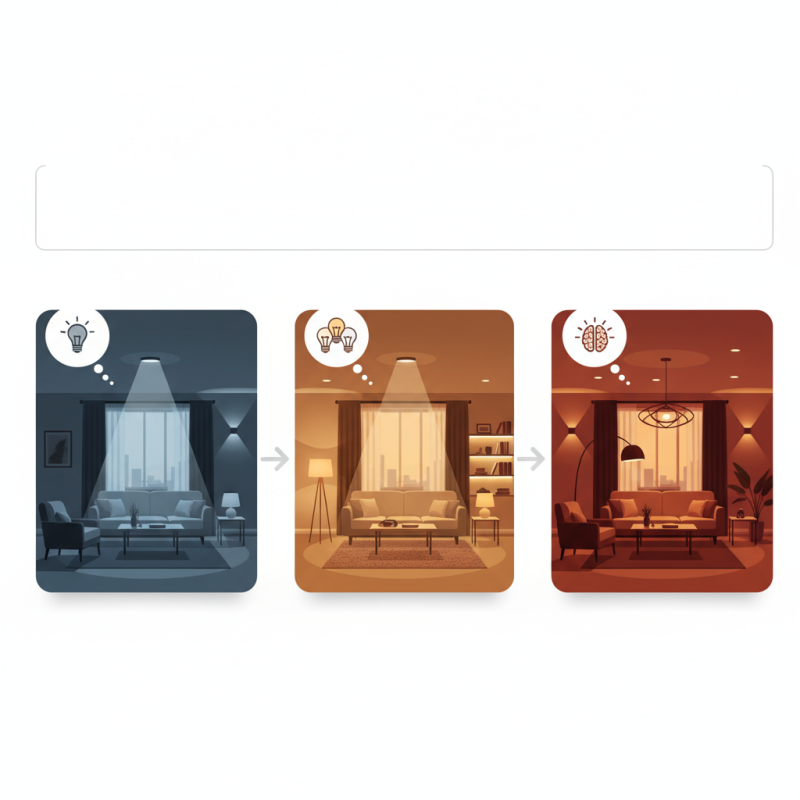
How to Use Lighting to Transform Your Living Room Space?

Understanding the Impact of Lighting on Living Room Aesthetics

Lighting plays a crucial role in shaping the aesthetics of your living room. It can enhance or detract from the space’s overall feel. Natural light is ideal, but when that’s lacking, artificial lighting steps in. Layering different types of lighting creates a harmonious balance. Consider combining ambient, task, and accent lighting for a complete effect.

Warm tones often make a room feel cozy and inviting. Chandeliers and floor lamps can achieve this. In contrast, cooler lights may create a more modern or sterile feel. Choosing the right color temperature is essential. You might find that a mix of both works best in certain areas. Don’t forget dimmers; they allow for mood adjustment and versatility. Experimenting is key, and sometimes it takes a few tries to get it just right.

While bright lighting can energize the space, too much can be overwhelming. Shadows can create depth but can also make areas feel cramped or dark. Reflect on how lighting impacts your room’s vibe. It’s an ongoing process to adjust and refine. Continually evaluating your choices will lead to a more inviting living space.

Types of Lighting: Ambient, Task, and Accent for Your Living Room

Lighting can dramatically change the ambiance of your living room. The right types of lighting create a welcoming atmosphere while enhancing the room's aesthetics. Understanding ambient, task, and accent lighting is key to achieving this transformation.

Ambient lighting provides overall illumination. It's the foundation of your lighting scheme. Research indicates that well-planned ambient lighting increases comfort and can improve mood by 20%. Natural light during the day is crucial, as studies show that daylight exposure boosts productivity and well-being. Use soft ceiling fixtures or floor lamps to ensure your living space is evenly lit.

Task lighting focuses on specific areas for activities like reading or working. A well-placed lamp can make a task easier and more enjoyable. Data from design experts reveal that effective task lighting can reduce eye strain by up to 30%. Accent lighting highlights artwork or architectural features. It adds dimension and drama to your space. Be mindful; too much accent lighting can overpower the room's balance. Strive for a harmonious mix of all three types of lighting.

Choosing the Right Light Fixtures to Enhance Your Space

Choosing the right light fixtures can significantly enhance your living room. Start by considering the room's purpose. Do you host gatherings or enjoy quiet evenings? Different activities need different lighting. A well-placed floor lamp can create a cozy reading nook. In contrast, a chandelier can add elegance for entertaining.

Think about style and function. A sleek pendant light can complement modern decor, while vintage sconces may suit a more traditional atmosphere. Don't forget about dimmers; they allow you to adjust brightness for any occasion. Layering light is essential. Use ambient, task, and accent lighting to create depth.

Consider your room's dimensions. High ceilings can benefit from tall fixtures, drawing the eye upward. Conversely, in smaller spaces, choose compact lights to prevent feeling overwhelmed. Reflect on your personal taste. Lighting should resonate with you, not just follow trends. Take time to experiment with various placements and types to find what feels right for your space.

Color Temperature and Its Role in Creating the Desired Mood

Lighting plays a vital role in setting the mood in your living room. The right color temperature can create warmth or coolness, enhancing comfort. Warmer tones, such as soft whites, evoke a cozy atmosphere perfect for relaxation. On the other hand, cooler lights provide a refreshing vibe, ideal for social gatherings. The complexity lies in balancing these tones for various activities.

Consider the activities in your living room. Do you often host friends or prefer quiet movie nights? A mix of color temperatures can cater to both needs. Dimming the lights can add intimacy during a film. Using brighter lights while entertaining can energize the space. However, it's crucial to test different options. Sometimes, the result may not feel as expected.

Another detail often overlooked is the direction of the light. How the light falls can change the entire dynamic. Avoid harsh lighting that creates unflattering shadows. Instead, opt for diffused light that flatters your space and its occupants. Reflection is key; take a moment to evaluate what works for you. Each decision shapes your experience in that environment. Trust your instincts and feel free to experiment until you find the right balance.

Layering Light: Techniques to Achieve Depth and Warmth

Lighting shapes our living spaces. Layering light creates depth and warmth in your living room. Various reports highlight how well-designed lighting enhances mood and productivity. A study by the American Lighting Association found that layered lighting can increase comfort in a room by over 30%.

To achieve this, consider three main layers: ambient, task, and accent. Ambient light provides overall illumination. Task lighting helps with specific activities, like reading or knitting. Accent lighting highlights art or architectural features. For instance, using floor lamps or pendant fixtures can complement existing light sources.

However, achieving a balanced look can be challenging. Too many light sources can create glare or uneven lighting. A lighting design should feel cohesive, not chaotic. Experimentation can lead to discovering the right mix for your space. Adjusting brightness levels can enhance the room's atmosphere remarkably. Stay mindful of how each addition impacts the overall feel.

How Lighting Affects Living Room Ambiance

This chart illustrates the various lighting types commonly used in living rooms and their average contribution to the overall illumination. The ambient light is the foundation, while task and accent lights enhance the space's functionality and aesthetics.

FAQS

: Why is lighting important in a living room?

: Lighting shapes the aesthetics and overall feel of your living space.

What types of lighting should be combined?

Combine ambient, task, and accent lighting for a balanced effect.

How do warm tones affect a room?

Warm tones create a cozy and inviting atmosphere in the living room.

What impact does natural light have?

Natural light enhances the space but may not always be available.

Can too much bright lighting be a problem?

Yes, too much bright lighting can feel overwhelming.

What is layering light?

Layering light involves using different lighting types to create depth and warmth.

How can I choose the right color temperature?

Experiment with warm and cool lights to find the perfect mix for your space.

What is the role of dimmers in lighting?

Dimmers allow mood adjustment and add versatility to your lighting setup.

What challenges might arise with too many light sources?

Too many sources can create glare and an unbalanced look.

How can I continuously improve my lighting choices?

Regularly evaluate and adjust your lighting to enhance your living space’s vibe.

Conclusion

In "How to Use Lighting to Transform Your Living Room Space," the article explores the significant role that lighting plays in enhancing the aesthetics of a living room. It outlines the three primary types of lighting: ambient, task, and accent, and how each contributes to the overall atmosphere of the space. Understanding these concepts is crucial for anyone looking to learn how to decorate a living room with lighting effectively.

The article emphasizes the importance of selecting the right light fixtures to complement your interior design while also considering color temperature to create the desired mood. Additionally, it highlights the technique of layering light to add depth and warmth, encouraging a well-lit and inviting environment. By implementing these strategies, homeowners can transform their living rooms into cozy, stylish spaces that reflect their personal taste.

Mason

Mason

Mason is a seasoned marketing professional with a deep expertise in the company's offerings and a passion for driving brand awareness. With a strong background in digital marketing strategies, he has an innate ability to connect with diverse audiences and effectively communicate product benefits.......