Explore high-efficiency engineering systems integrating aesthetics and performance for contemporary workspace, residential, and hospitality implementations.
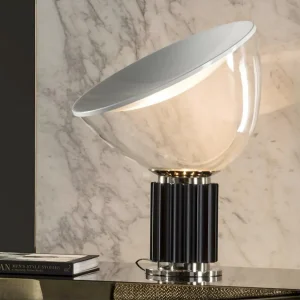
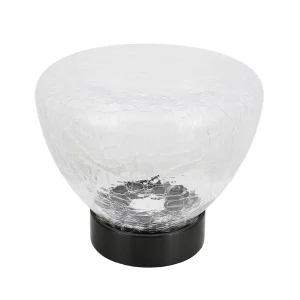
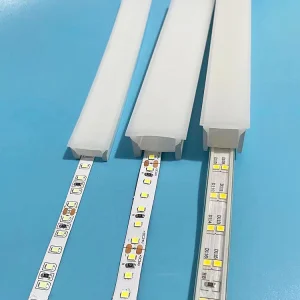
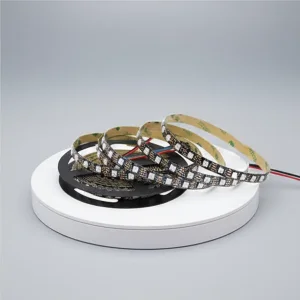
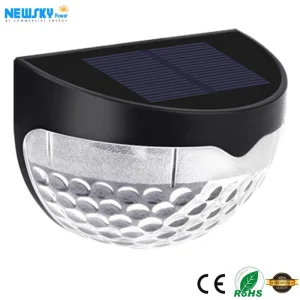
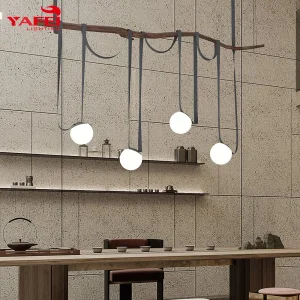
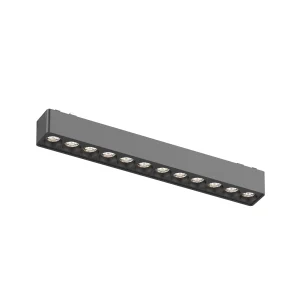
The global commercial landscape is undergoing a paradigm shift in how physical environments leverage light. Today, decorative LED fixtures are no longer viewed as mere ornamental embellishments; instead, they have evolved into critical components of architectural engineering, corporate spatial identity, and human-centric environmental optimization. As developers, lighting specifiers, and procurement managers demand solutions that deliver both aesthetic excellence and superior thermodynamic, optical, and electrical efficiency, the pressure on global supply chains is mounting.
Modern decorative LED lighting requires a delicate balance of advanced material science, precision optics, and smart control integration. Leading manufacturers must address complex design requirements such as High Color Rendering Index (CRI Ra ≥ 95, R9 ≥ 80), tightly managed color consistency (SDCM ≤ 3), low-flicker driver ripple currents compliant with IEEE 1789-2015 standards, and robust thermal dissipation properties. This whitepaper analyzes the manufacturing landscape of the Top 10 Decorative LED Fixture Suppliers, providing global B2B procurement decision-makers with the objective criteria needed to assess supplier capabilities, navigate regulatory compliance, and future-proof their visual projects.
In a saturated market filled with brokers and trading companies, locating a manufacturer with true engineering depth makes all the difference. When evaluating partners, technical buyers look beyond basic catalog parameters. Critical factors like LED binning consistency over multi-year projects, structural safety margins in heavy chandeliers, and compliance with building codes (such as California Title 24 or European Ecodesign Regulations) represent the operational benchmarks that define a tier-1 supplier. By focusing on these concrete parameters, organizations can avoid costly project delays, premature field failures, and compliance-related liabilities.
Deciphering the core technical vectors that differentiate industrial-grade manufacturing from basic consumer assembly.
Leveraging high-reliability constant-current drivers supporting DALI-2, 0-10V, Phase-Cut, and Casambi wireless dimming. Ensuring power factors (PF) > 0.95 and Total Harmonic Distortion (THD) < 12% under full loading conditions.
Utilizing premium materials like optical-grade PMMA, impact-resistant polycarbonate, and sandblasted hand-blown borosilicate glass. Minimizing glare index (UGR < 19) while optimizing light transmission efficiency.
Implementing 6063-T5 extruded aluminum heat sinks with optimized surface area calculations to keep junction temperatures (Tj) well below the chip threshold, securing an L70 lifetime exceeding 50,000 hours.
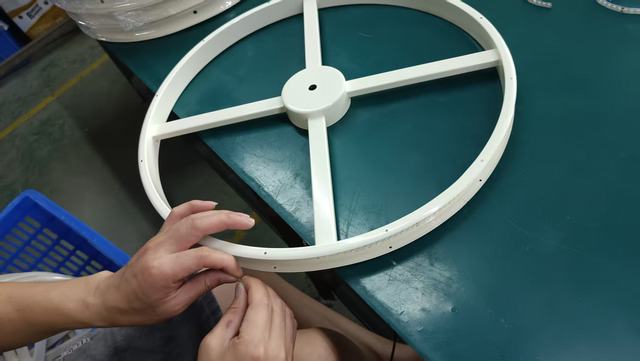
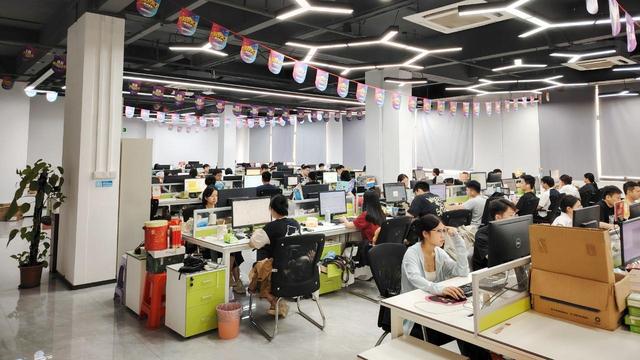
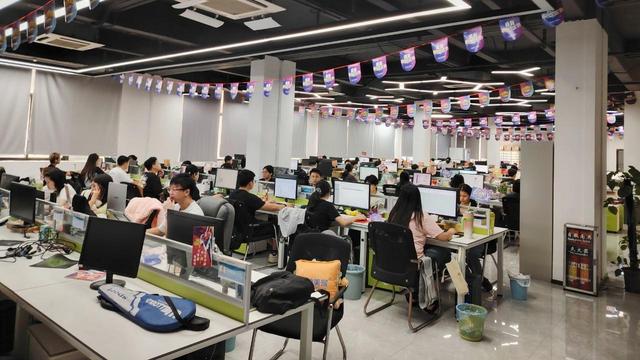
Foshan CAPIVANA Lighting Co., Ltd. is a professional decorative lighting manufacturer specializing in modern indoor and commercial lighting solutions for global markets. Established in 2012 and strategically located in Foshan, China—the global capital of building materials and lighting innovation—the company has built an outstanding reputation for combining state-of-the-art lighting design, reliable manufacturing, and custom OEM & ODM services.
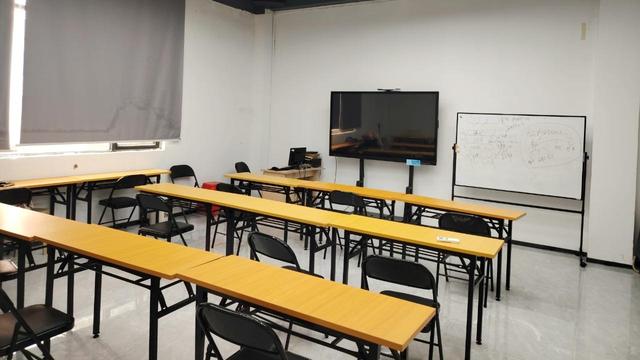
CAPIVANA operates a modern production facility covering more than 10,000 square meters and employs over 150 experienced staff members. This multidisciplinary team includes R&D engineers, lighting designers, production technicians, strict quality inspectors, and international sales specialists dedicated to streamlining the procurement process for international buyers.
By managing the entire supply chain from raw metal extrusion and surface finishing to driver assembly, CAPIVANA ensures every decorative fixture delivers exceptional aesthetics and meets strict global technical standards.
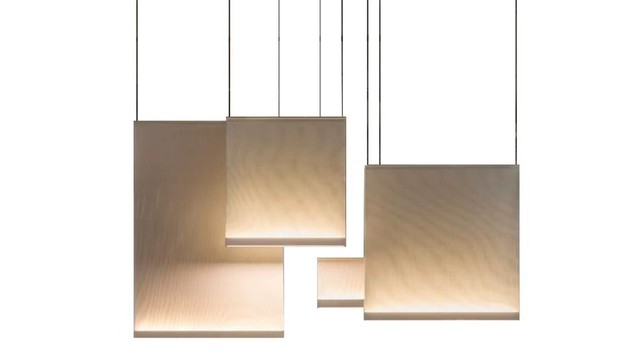
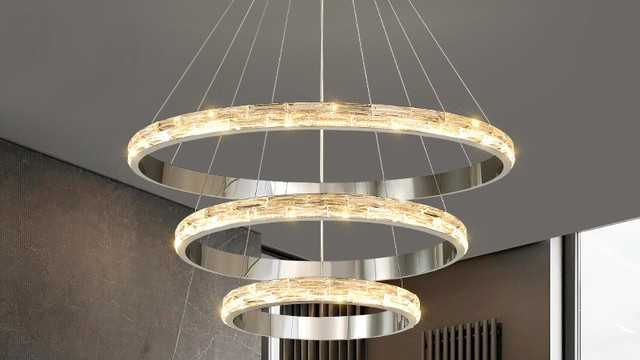
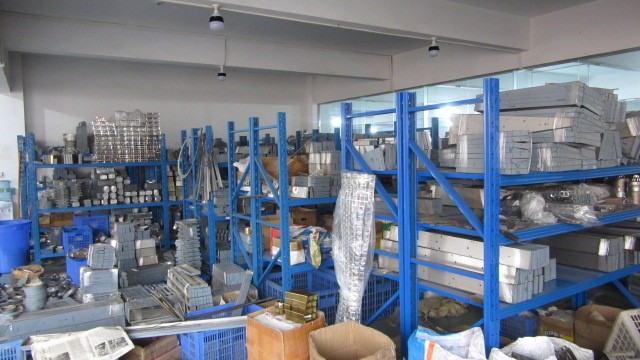
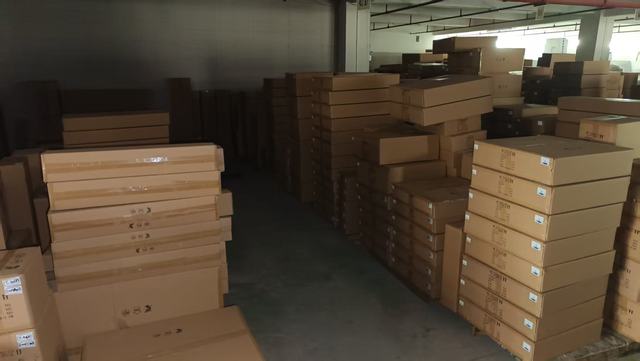
The global transition to energy-efficient buildings has shifted the focus of B2B buyers toward decorative lighting that combines architectural appeal with technical compliance. According to recent building research and energy reports, decorative LED installations now account for over 35% of a building's lighting capital expenditure. This change is driven by the rise of mixed-use real estate, boutique hospitality environments, and wellness-focused corporate designs.
When selecting top suppliers, professional lighting designers and procurement agencies focus on specific performance criteria rather than general marketing claims. The modern procurement framework prioritizes key technical elements: structural integrity and safety ratios, chemical resistance of surface finishes, electromagnetic compatibility (EMC), and integrated smart control protocols. Partnering with suppliers that address these criteria allows developers to secure reliable lighting systems that perform consistently over time.
In high-end hospitality projects, lighting systems must support dim-to-warm performance without shifting color tone, ensuring smooth transitions from 3000K down to 1800K. Commercial retail environments require high color rendering (R9 values > 60) to present products in their true color. Meanwhile, modern office spaces are increasingly adopting tunable white systems (2700K - 6500K) to align with natural circadian rhythms, improving both occupant comfort and employee productivity.
Navigating different local standards is a critical step in the global sourcing process. An architectural project's success often relies on securing lighting products that comply with regional regulatory standards. A lack of proper documentation can lead to customs delays, failed inspections, or liability issues on-site. The table below outlines the primary compliance standards that leading decorative LED manufacturers must meet:
| Region | Certifications Required | Technical Focus |
|---|---|---|
| North America | UL 1598, CSA C22.2, FCC Part 15 | Electrical insulation, thermal cutoff, flame-retardant plastics, structural support safety margins. |
| European Union | CE, ENEC, RoHS, ErP Directive | Eco-design parameters, strict limits on hazardous materials, circular economy repairability, low standby power. |
| Middle East | SASO IECEE, G-Mark | Resilience to high ambient temperatures, dust protection, stable driver operation under grid voltage swings. |
| Asia Pacific | CCC, SAA, RCM | Standardized EMC parameters, localized voltage frequencies, and strict fire-resistance housing criteria. |
In addition to electrical certifications, environmental ratings are key. Products designed for humid areas, coastal zones, or outdoor applications require appropriate ingress protection (IP ratings like IP54 or IP65) and impact resistance (IK ratings like IK08) to ensure long-term durability in challenging conditions.
Key design and engineering trends driving the development of next-generation solid-state decorative lighting.
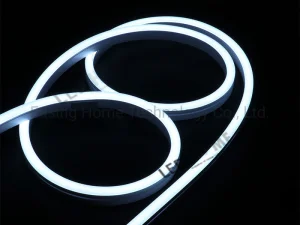
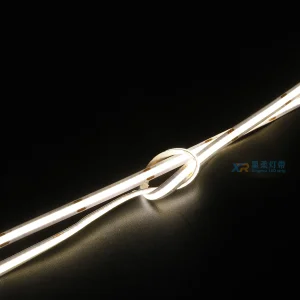
Expanding the use of Chip-on-Board (COB) and Chip Scale Package (CSP) tech to create ultra-sleek, continuous light profiles without visible dotting.
Embedding compact IoT sensors, light meters, and wireless modules directly into the fixture housings, aligning with modern smart building platforms.
Standardizing circadian-friendly systems that automatically adjust light spectrum and output, enhancing wellness in commercial and residential layouts.
Developing fully modular designs using bio-based composites, recycled metals, and quick-disassembly parts to support sustainability goals.
Clear answers to key questions asked by engineering procurement teams, sourcing agents, and lead specifiers.
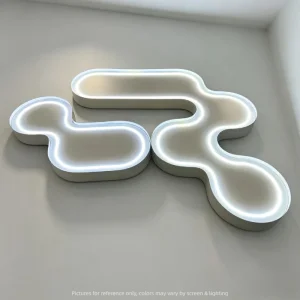
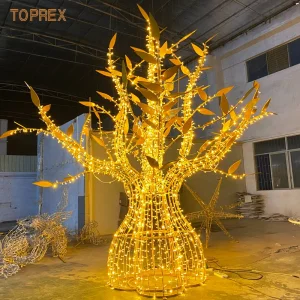
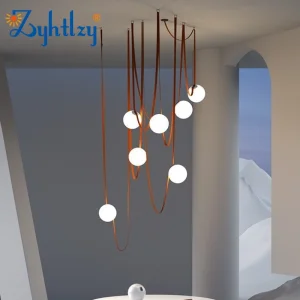
Discover architectural and accent solutions featuring customizable components, durable construction, and advanced solid-state technology.
 CAPIVANA Lighting