Premium commercial-grade luminaires optimized for hospitality, outdoor landscaping, and architectural highlights in Central African development sectors.
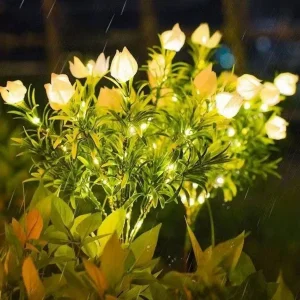
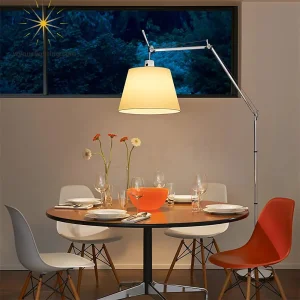
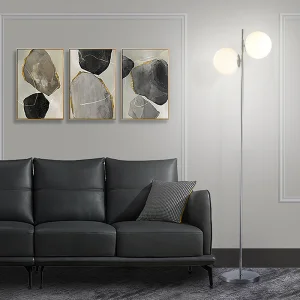
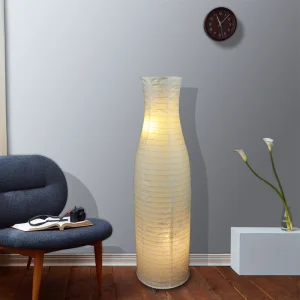
Over the last two decades, Equatorial Guinea has transitioned its economic footprint, leveraging significant energy reserves to fuel large-scale municipal, institutional, and commercial infrastructure projects. Cities like Malabo and Bata have emerged as epicenters of architectural innovation in the Gulf of Guinea. The expansion of high-end business districts, such as Malabo II, combined with coastal resorts and luxury residential complexes, has driven an unprecedented demand for sophisticated indoor and outdoor architectural lighting solutions.
However, supplying lighting fixtures to this region requires more than just aesthetic excellence. The local environment presents specific microclimatic challenges that must be accounted for during the manufacturing phase. High ambient humidity, constant exposure to salt-laden marine air along the coastlines, and frequent tropical downpours demand fixtures constructed with superior corrosion resistance and high Ingress Protection (IP) ratings.
To guarantee longevity and safety in equatorial environments, all imported luminaires must comply with critical engineering baselines:
Evaluating the convergence of smart systems, architectural design, and localized energy realities.
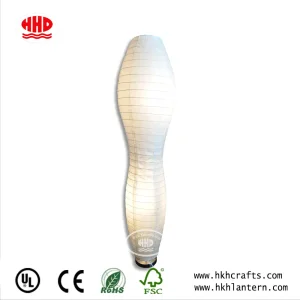
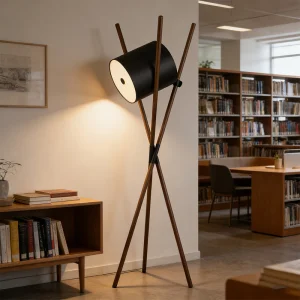
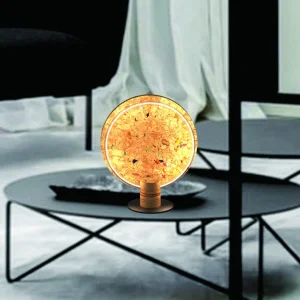
Architects are shifting away from stark, cold industrial fixtures in favor of organic shapes and natural textures. By blending hand-crafted materials like cork, eco-paper, and solid wood with modern energy-efficient LED modules, developers create welcoming guest atmospheres that mirror the tropical flora of Central Africa.
With an abundance of solar radiation, integrating high-conversion monocrystalline photovoltaic panels and lithium iron phosphate (LiFePO4) batteries directly into outdoor floor luminaires has become the standard. This eliminates expensive trenching and wiring costs in remote resort settings like Corisco Island or Moka.
Commercial installations now require smart integration. Using protocol technologies like Zigbee, DALI, or 0-10V dimming, hotel operators can adjust the color rendering index (CRI) and color temperature (CCT) dynamically from daytime cool white (5000K) to late-night warm amber (2200K).
| Material Element | Coastal Zones (Malabo / Bata) | Inland Zones (Djibloho / Mongomo) | Recommended Surface Treatment |
|---|---|---|---|
| Base Structure | Stainless Steel 316L / Die-Cast Aluminum | Standard Aluminum / High-Grade Steel | Fluorocarbon powder coating or hot-dip galvanization |
| Diffuser Type | UV-Stabilized Acrylic / Tempered Glass | Polycarbonate / Polypropylene | Anti-UV additive blending to prevent yellowing |
| Wiring & Gaskets | Silicon Seals / Neoprene Cables | Nitrile Rubber / PVC Cables | Hermetic vulcanized compound sealing |
| Hardware / Screws | Titanium or A4-Grade Stainless Steel | Standard A2 Stainless Steel | Thread-locking fluid + anti-seize coating |
How Foshan CAPIVANA Lighting streamlines compliance, quality control, and regional logistics.
Grid instability is a common concern for industrial real estate developers in Central Africa. A sudden surge or drop in voltage can easily blow standard electronic ballast capacitors, leading to costly maintenance cycles. CAPIVANA integrates high-reliability programmable isolated drivers from industry leaders (such as MeanWell, Inventronics, or Lifud) that mitigate these risks through multi-stage over-current, over-temperature, and over-voltage safeguards.
Exporting to Equatorial Guinea involves navigating strict customs clearance systems, including the CEMAC (Central African Economic and Monetary Community) regulatory frameworks. CAPIVANA provides complete documentation packages, including Certificate of Conformity (CoC), CE, RoHS, and customized packing lists with HS codes matched for rapid tariff clearance at the Port of Malabo and Port of Bata.
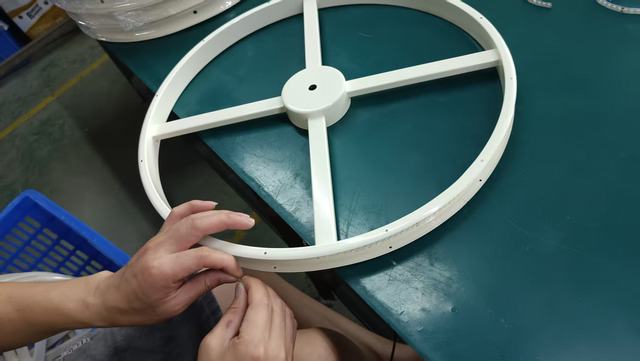
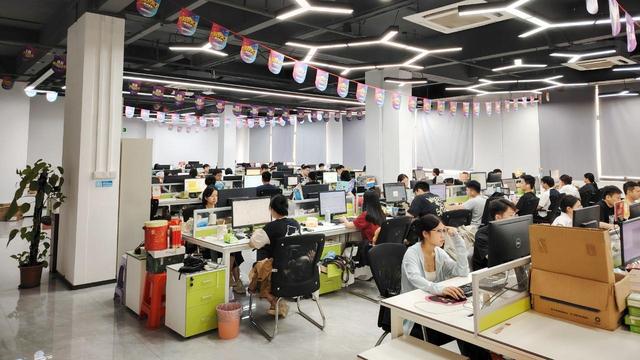
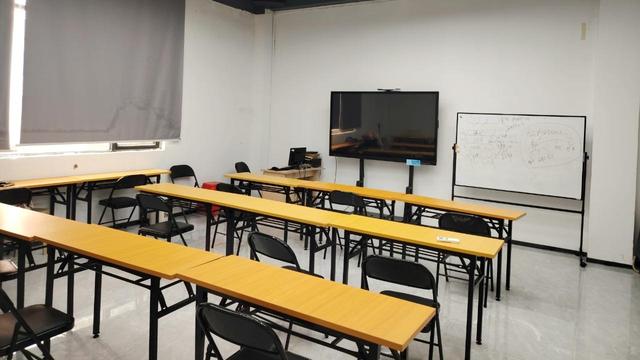
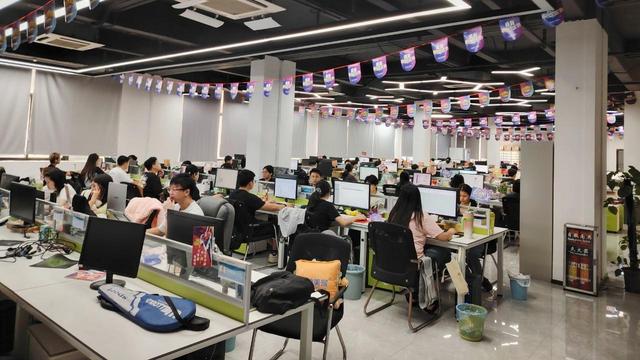
Our 10,000-square-meter facility in Foshan, China is fully equipped to handle major custom lighting orders. We support builders, developers, and commercial interior designers through every step of the sourcing pipeline:
Take a look inside our Foshan-based manufacturing facilities, testing bays, and assembly lines.
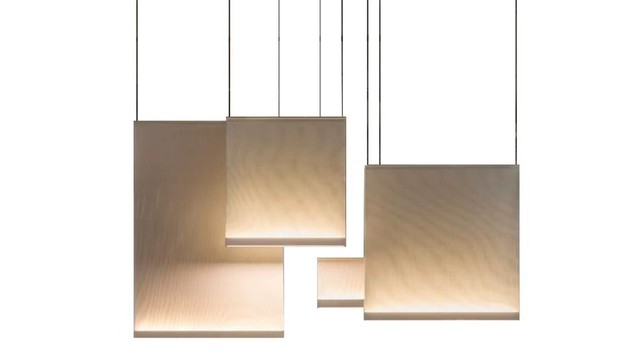
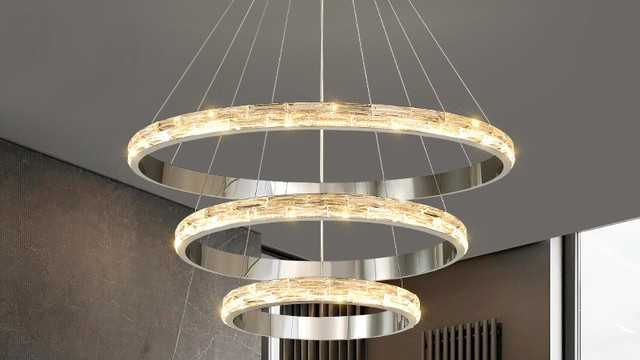
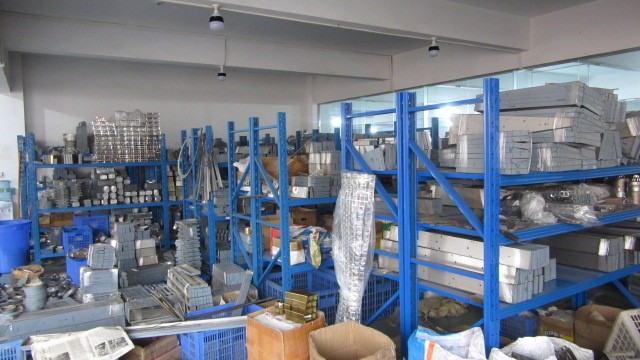
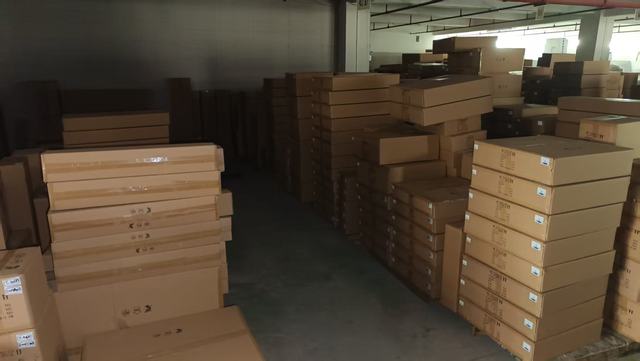
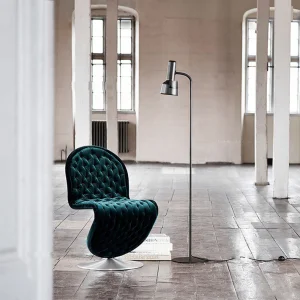
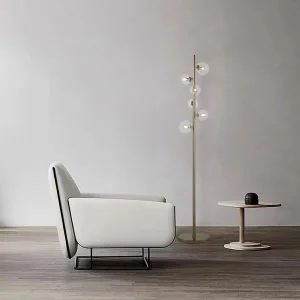
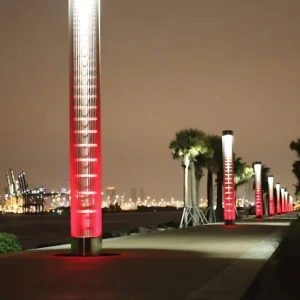
Explore our full line of indoor and outdoor standing luminaires, custom poles, and ambient furniture lighting.
Detailed protocols ensuring CAPIVANA's fixtures endure transit stress and demanding local environments.
At Foshan CAPIVANA Lighting Co., Ltd., we establish rigorous internal protocols starting from the raw material inspection level. Because decorative floor lamps rely on structural balance and visual consistency, our production process involves automated bending and welding technology paired with skilled artisans who hand-polish each joint.
Every light pole, standing base, and acrylic diffusers must undergo optical testing. The Integration Sphere measures lumen efficiency, color index precision, and chromaticity coordinates. Once assembled, we conduct a continuous 48-hour high-voltage aging test to weed out early semiconductor failures before components enter the packaging lines.
We work with major logistics partners globally to ensure safe marine shipping transit. Whether shipping container-loads directly from our loading bays in Foshan to the Port of Bata or routing smaller air-freight orders via Malabo International Airport, we implement a double-walled corrugate box design with molded polyethylene foam inserts to eliminate structural damage.
Answers to technical, logistics, and customization queries regarding commercial floor lighting exports to Equatorial Guinea.
Whether you are designing a new resort in Sipopo, a commercial complex in Malabo II, or managing a public park project in Bata, CAPIVANA has the engineering and logistics expertise to deliver robust, high-end architectural floor lighting solutions.
 CAPIVANA Lighting